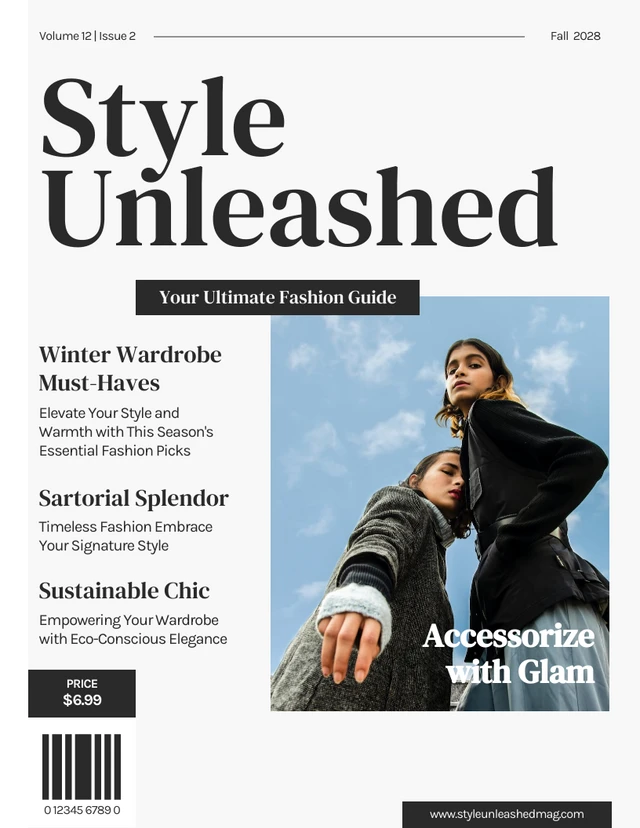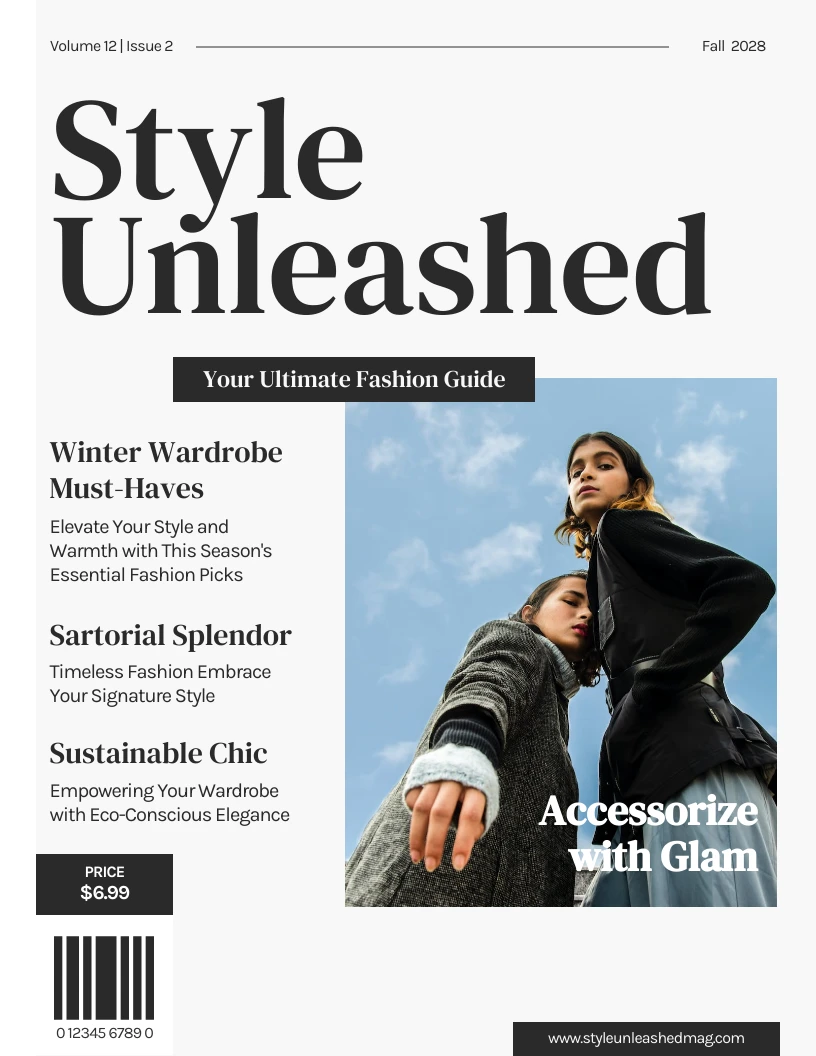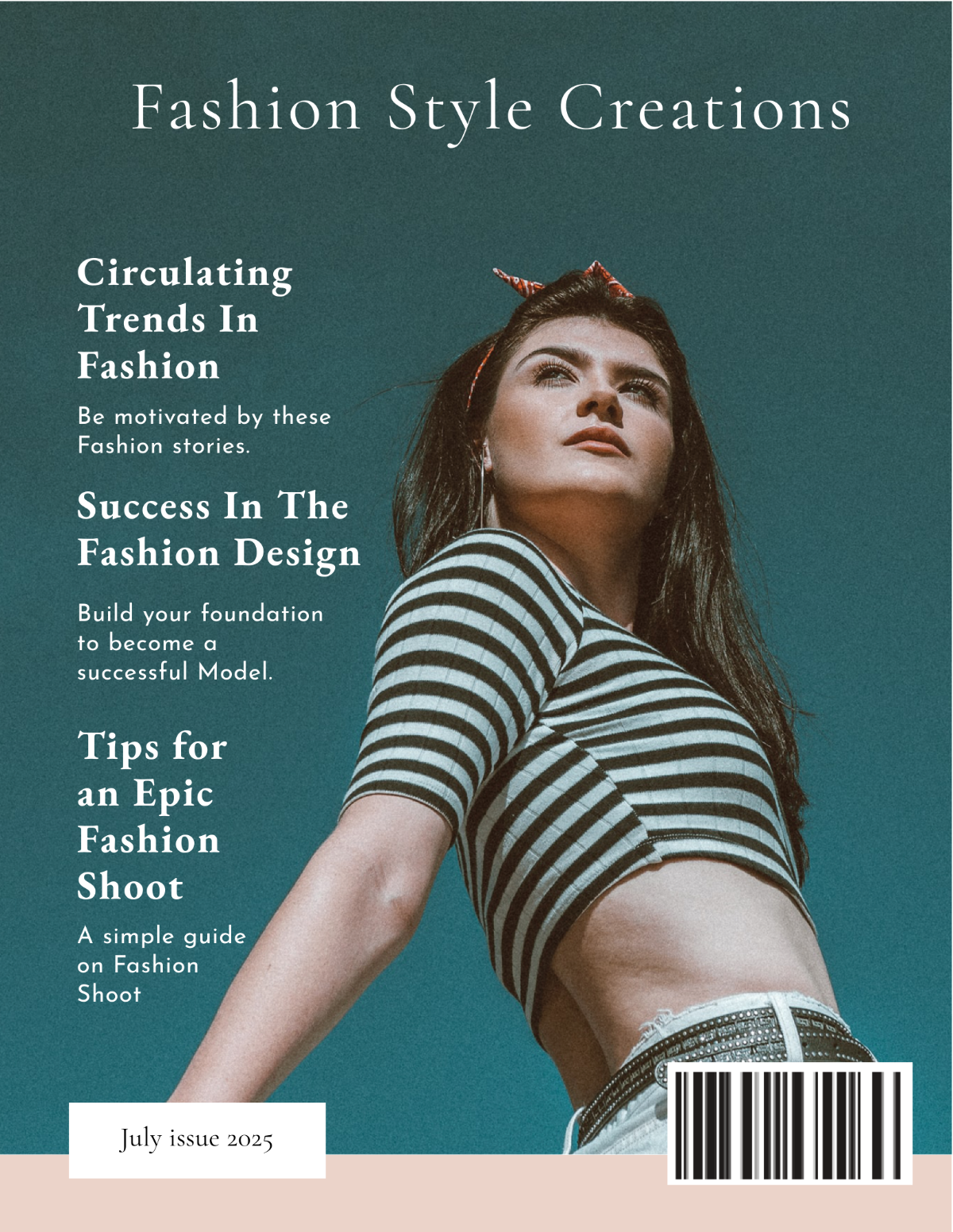
The glittering world of fashion is a constant whirlwind of trends, inspiration, and aspirational lifestyles. For fashion magazines, the heartbeat of this industry lies in their articles for fashion magazine. These meticulously crafted pieces are more than just words on a page; they are the conduits through which readers connect with designers, understand emerging styles, and ultimately, make informed purchasing decisions. Crafting compelling articles for fashion magazine is an art form, a delicate balance of creativity, trend forecasting, and understanding the desires of a discerning audience. This article will delve into the power of exceptional articles for fashion magazine, exploring what makes them resonate, how to optimize them for search engines, and the essential elements that contribute to their success.
The Enduring Allure of Fashion Journalism
Fashion magazines have long been the gatekeepers of style, offering a curated glimpse into the season’s must-haves, the stories behind iconic brands, and the cultural shifts that influence our wardrobes. The written word, when wielded with expertise and passion, possesses a unique ability to transport readers, ignite their imagination, and foster a deep connection with the fashion landscape. Whether it’s a glowing review of a haute couture collection or a cautionary tale about fleeting trends, articles for fashion magazine play a pivotal role in shaping perception and driving consumer interest.
Unpacking the Anatomy of a Stellar Fashion Article
What truly sets apart a mediocre fashion article from one that becomes a beloved staple? It’s a combination of insightful content, engaging storytelling, and strategic presentation. Let’s break down the key components that make articles for fashion magazine truly shine.
H3: The Art of Trend Forecasting and Analysis
At its core, fashion is about what’s next. Articles for fashion magazine that excel in this area offer readers a clear and compelling vision of upcoming trends. This involves:
- Deep Dive into Runway Reports: Analyzing the collections presented at major fashion weeks (New York, London, Milan, Paris) is fundamental. This includes identifying recurring silhouettes, color palettes, fabric choices, and thematic elements.
- Street Style as a Barometer: Beyond the runway, street style offers a tangible interpretation of trends. Articles can highlight how designers’ visions are being adopted and adapted by influencers and fashion-forward individuals.
- Cultural Influences: Fashion is intrinsically linked to culture. Articles for fashion magazine should explore how music, art, film, social movements, and even global events are influencing sartorial choices.
- Predictive Power: The best articles don’t just report on trends; they predict their longevity and impact. This involves understanding the underlying cultural shifts that give rise to certain styles.
H3: Storytelling: The Heartbeat of Fashion Articles
Beyond simply listing trends, exceptional articles for fashion magazine weave narratives that captivate and connect. This means:
- Designer Spotlights: Profiling designers, both established and emerging, offers a human element. Readers are drawn to the stories of their inspirations, their creative processes, and their journeys.
- Brand Histories and Legacies: Exploring the heritage of iconic fashion houses provides context and depth. Understanding the evolution of a brand’s aesthetic can be as fascinating as its latest collection.
- The "Why" Behind the "What": Instead of just saying "midi skirts are in," a great article explains why. Is it a nod to vintage nostalgia? A response to changing societal norms? Understanding the underlying motivations makes the trend more relatable.
- Personal Anecdotes and Experiences: When relevant, incorporating personal stories or experiences can make an article more engaging. This could be a writer’s firsthand account of attending a fashion show or their personal journey with a particular style.
H3: Visuals: The Unspoken Language of Fashion
While this article focuses on written content, it’s impossible to discuss articles for fashion magazine without acknowledging the crucial role of visuals. High-quality photography, illustrations, and graphics are essential for:
- Showcasing Garments: Stunning imagery allows readers to truly appreciate the craftsmanship, texture, and drape of clothing.
- Illustrating Trends: Visuals are the most direct way to demonstrate how a trend looks in practice.
- Enhancing Readability: Well-placed images break up text and make articles more visually appealing and digestible.
- Creating an Aspirational Mood: The overall aesthetic of the visuals contributes significantly to the magazine’s brand and the reader’s perception of the fashion world.
H3: The Power of Positive and Negative Sentiments in Fashion Articles
The tone of articles for fashion magazine can significantly influence reader perception.
- Positive Sentiment: This is the bread and butter of many fashion articles. It involves celebrating new collections, highlighting innovative designers, praising timeless styles, and fostering a sense of excitement and optimism around fashion. Phrases like "breathtaking," "exquisite," "revolutionary," and "must-have" contribute to a positive sentiment, encouraging readers to embrace new trends and feel good about their style choices. For example, an article praising a designer’s sustainable practices and innovative use of recycled materials would exude a strong positive sentiment, encouraging readers to support such initiatives.
- Negative Sentiment: While less common, negative sentiment can be incredibly impactful when used thoughtfully. This might involve critiquing a trend that is unsustainable, over-saturated, or aesthetically questionable. Phrases like "disappointing," "uninspired," "overdone," or "a misstep" can serve to guide readers away from less desirable trends and encourage a more discerning approach to fashion. A well-reasoned critique of fast fashion’s environmental impact, for instance, would carry a powerful negative sentiment, prompting readers to reconsider their consumption habits. This doesn’t mean being overly critical, but rather offering informed opinions that contribute to a more conscious fashion dialogue.
SEO Optimization: Making Your Articles Discoverable
In today’s digital age, even the most beautifully written articles for fashion magazine need to be discoverable. Search engine optimization (SEO) is crucial for ensuring that your content reaches the widest possible audience.
H4: Keyword Integration: The Foundation of SEO
The strategic placement of keywords is paramount. As requested, "articles for fashion magazine" will be placed prominently. Beyond this primary keyword, consider:
- LSI Keywords (Latent Semantic Indexing): These are terms semantically related to your main keyword. For "articles for fashion magazine," LSI keywords might include:
- Fashion trends
- Style guides
- Designer interviews
- Haute couture reviews
- Seasonal fashion
- Street style inspiration
- Fashion editorial
- Wardrobe essentials
- Sustainable fashion
- Luxury fashion
- Fashion news
- Fashion tips
- Style advice
- Clothing trends
- Accessory trends
- Long-Tail Keywords: These are more specific phrases that users search for. Examples include "best summer dresses for petite women" or "how to style a vintage blazer."
- Natural Keyword Placement: Avoid keyword stuffing. Integrate keywords naturally into the text where they make sense and add value to the reader. The goal is to write for humans first, search engines second.
H4: Crafting Compelling Titles and Meta Descriptions
Your title tag and meta description are your first impression in search results.
- Title Tag: Aim for under 75 characters, starting with "Articles for Fashion Magazine" for maximum impact. Include a power word and a hint of the article’s content. For example: "Articles for Fashion Magazine: Unveiling Powerful Trends for Fall."
- Meta Description: This is a brief summary that entices users to click. It should be around 150-160 characters and include your primary keyword and a call to action.
H4: Content Structure and Readability
Search engines favor well-structured content.
- Headings and Subheadings (H1, H2, H3, H4): Use these to break up your content logically. The main title will be an H2, with H3s for major sections and H4s for further subsections.
- Short Paragraphs: Large blocks of text can be intimidating online. Keep paragraphs concise.
- Bullet Points and Lists: These make information easy to scan and digest.
- Internal and External Linking: Link to other relevant articles on your site (internal linking) and to reputable external sources (external linking). This demonstrates authority and provides further value to the reader.
H4: Image Optimization
Don’t forget your images!
- Descriptive Alt Text: Use descriptive alt text for all images. This helps search engines understand the image content and improves accessibility for visually impaired users.
- Image File Names: Use descriptive file names (e.g., "red-midi-dress-spring-collection.jpg").
- Image Compression: Optimize image file sizes to ensure fast loading times.
The Festive Spirit of Fashion Articles
Fashion, at its best, is a celebration. Articles for fashion magazine can capture this festive spirit by:
- Highlighting Occasion Wear: From holiday parties to summer weddings, articles dedicated to dressing for special events are always popular.
- Showcasing Seasonal Collections: The arrival of new collections is akin to a seasonal festival, bringing fresh colors, textures, and silhouettes.
- Focusing on Joyful Trends: Articles that explore playful prints, vibrant colors, and uplifting styles can evoke a sense of happiness and excitement.
- The "Gift Guide" Phenomenon: During festive periods, gift guides become essential reading, offering curated selections of fashion items for loved ones.
Trustworthy Tone and Helpful Information
For Bing and other search engines, and more importantly, for your readers, a trustworthy and helpful tone is paramount.
- Expertise and Authority: Articles should be written by individuals with genuine knowledge and passion for fashion. This could be seasoned fashion editors, stylists, or industry insiders.
- Unbiased Opinions (when applicable): While fashion is subjective, offering well-reasoned opinions and backing them up with evidence (e.g., runway trends, designer statements) builds credibility.
- Actionable Advice: Readers often turn to fashion magazines for practical advice. Articles that offer tips on how to style certain pieces, build a capsule wardrobe, or care for garments are highly valued.
- Transparency: If an article is sponsored or features gifted products, transparency is key to maintaining trust.
The Enduring Power of a Well-Crafted Article
In a world saturated with information, articles for fashion magazine that stand out are those that offer genuine insight, captivating narratives, and a touch of aspirational magic. By understanding the nuances of trend analysis, the art of storytelling, and the principles of SEO, fashion magazines can continue to create content that not only informs and inspires but also drives engagement and fosters a loyal readership. The power of a well-crafted article lies in its ability to transcend mere trends and become a timeless guide to the ever-evolving world of style.
Frequently Asked Questions About Articles for Fashion Magazine
Q1: What is the most important element of articles for fashion magazine?
A1: While many elements are crucial, the most important is often the ability to connect with the reader on an emotional and aspirational level, offering both inspiration Men clothing online shopping your ultimate festive fashion guide and practical advice.
Q2: How can I make my articles for fashion magazine more engaging?
A2: Use strong storytelling, incorporate compelling visuals, offer unique perspectives, and maintain a consistent and engaging tone.
Q3: What are LSI keywords, and why are they important for articles for fashion magazine?
A3: LSI keywords are semantically related terms that help search engines understand the context of your content. They are important for articles for fashion magazine to improve relevance and discoverability for a wider range of related searches.
Q4: Should articles for fashion magazine always be positive?
A4: Not necessarily. While positive sentiment is common, thoughtful and constructive criticism can also be valuable, guiding readers towards more informed and conscious fashion choices.
Q5: How long should a typical article for fashion magazine be?
A5: The length can vary, but for in-depth features, 1200-1500 words or more is common to allow for thorough exploration of topics. Shorter pieces might focus on specific trends or news items.