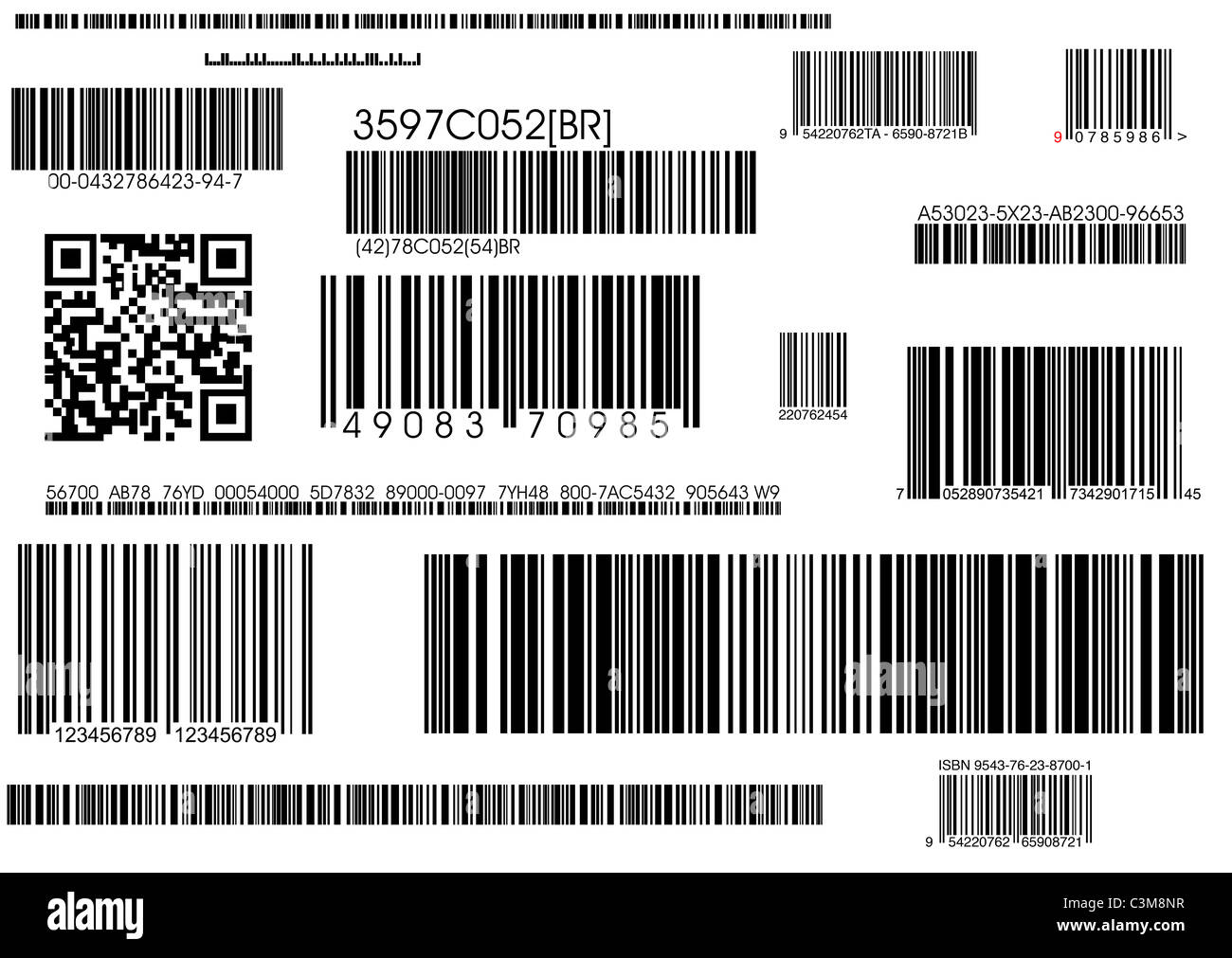
The world of publishing is a vibrant tapestry, and within it, the humble barcode plays a surprisingly significant role, especially when it comes to barcode for magazine cover PNG. While often overlooked by the casual reader, this ubiquitous symbol is a cornerstone of efficient distribution, inventory management, and even promotional campaigns. For magazine publishers, understanding the nuances of integrating a barcode for magazine cover PNG is not just a technical necessity; it’s a strategic design decision that can impact sales, reader experience, and brand perception.
This article delves deep into the world of barcodes on magazine covers, exploring their evolution, technical specifications, design considerations, and the invaluable benefits they offer. Whether you’re a seasoned publisher, an aspiring designer, or simply curious about the intricate workings of the magazine industry, prepare to Clothing stores for men dress clothes unlocking your ultimate style discover the essential power of a well-placed barcode for magazine cover PNG.
The Evolution of the Barcode: From Humble Beginnings to Digital Dominance
The concept of a barcode, a machine-readable representation of data, emerged in the mid-20th century. Initially conceived for tracking railway cars, its potential for retail applications quickly became apparent. The Universal Product Code (UPC), standardized in the early 1970s, revolutionized the grocery industry, paving the way for faster checkout and more accurate inventory.
Magazines, with their regular publication cycles and widespread distribution, were a natural fit for this emerging technology. Early magazine barcodes were often simple, black-and-white lines, sometimes appearing as separate stickers or printed directly onto the cover. The advent of digital design and the widespread use of Portable Network Graphics (PNG) files have transformed how we incorporate these crucial elements. A barcode for magazine cover PNG offers unparalleled flexibility and quality, ensuring crisp, scalable images that integrate seamlessly into the overall cover design.
Decoding the Barcode: Understanding the Essentials
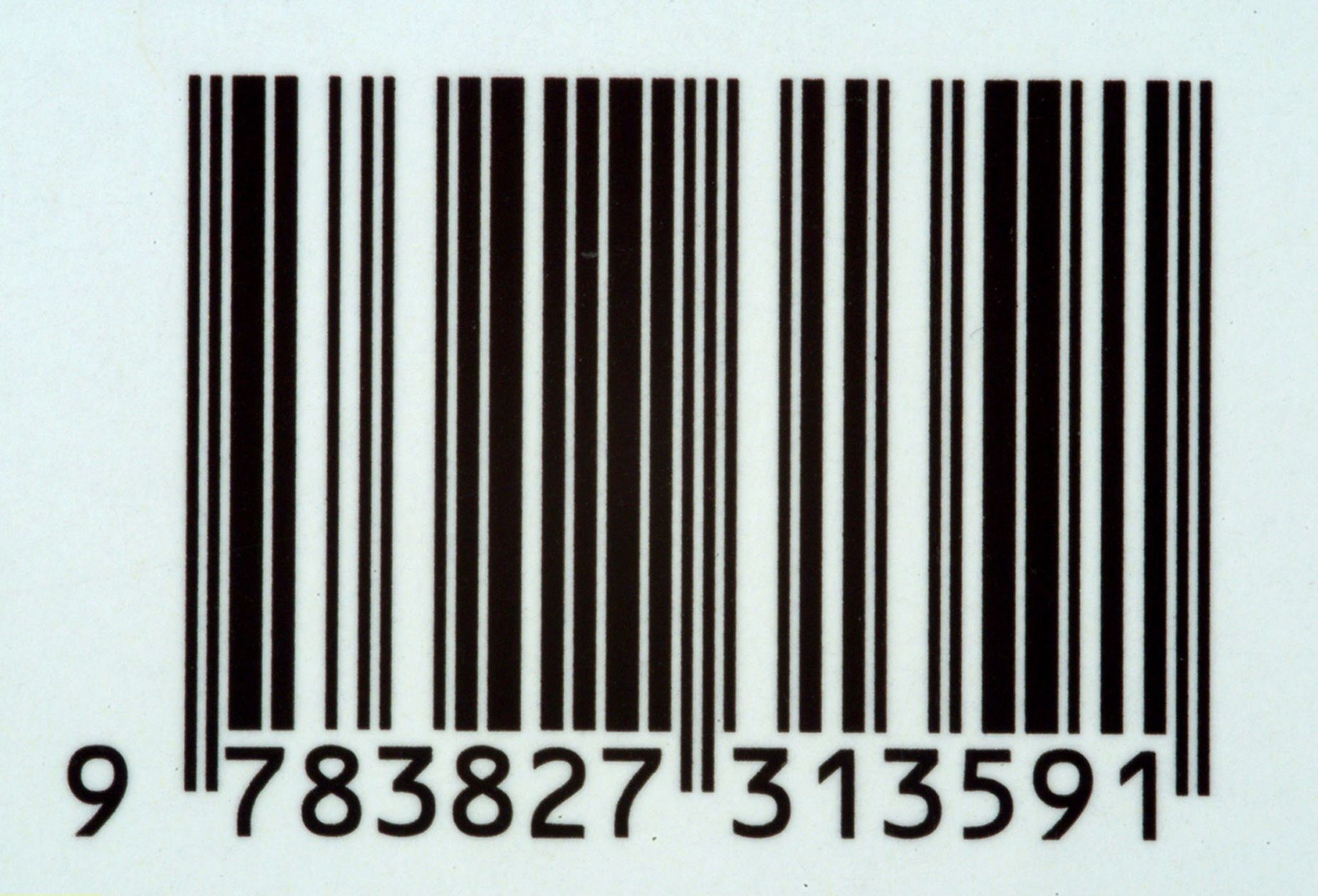
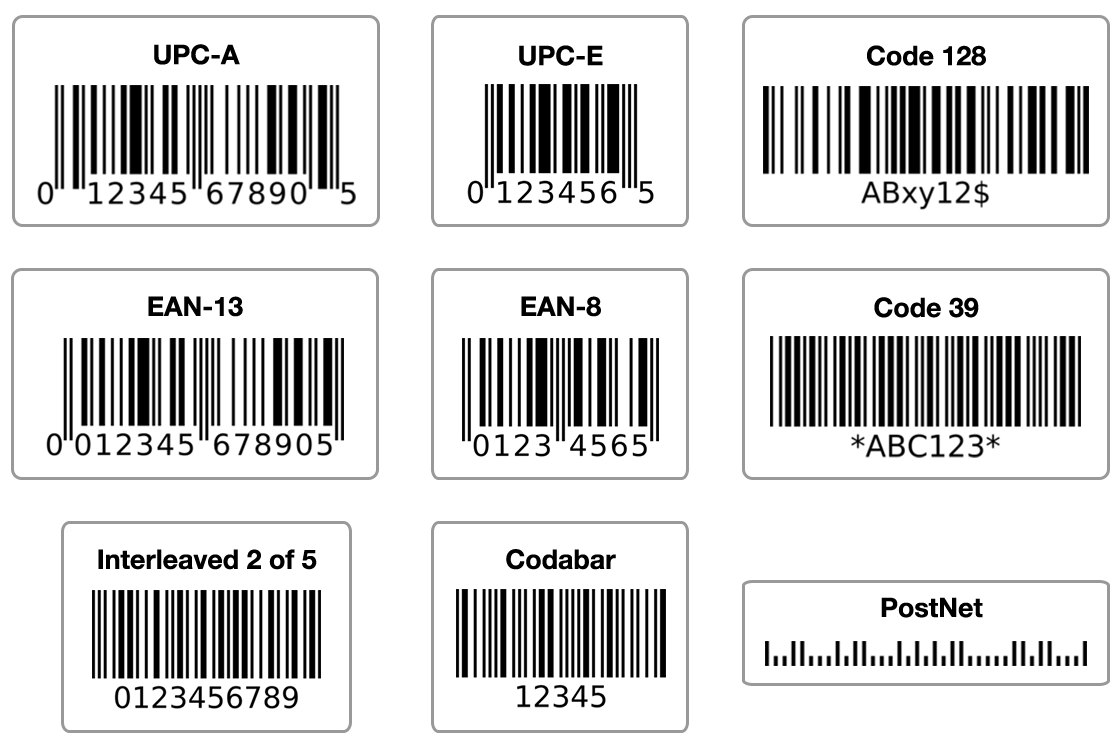
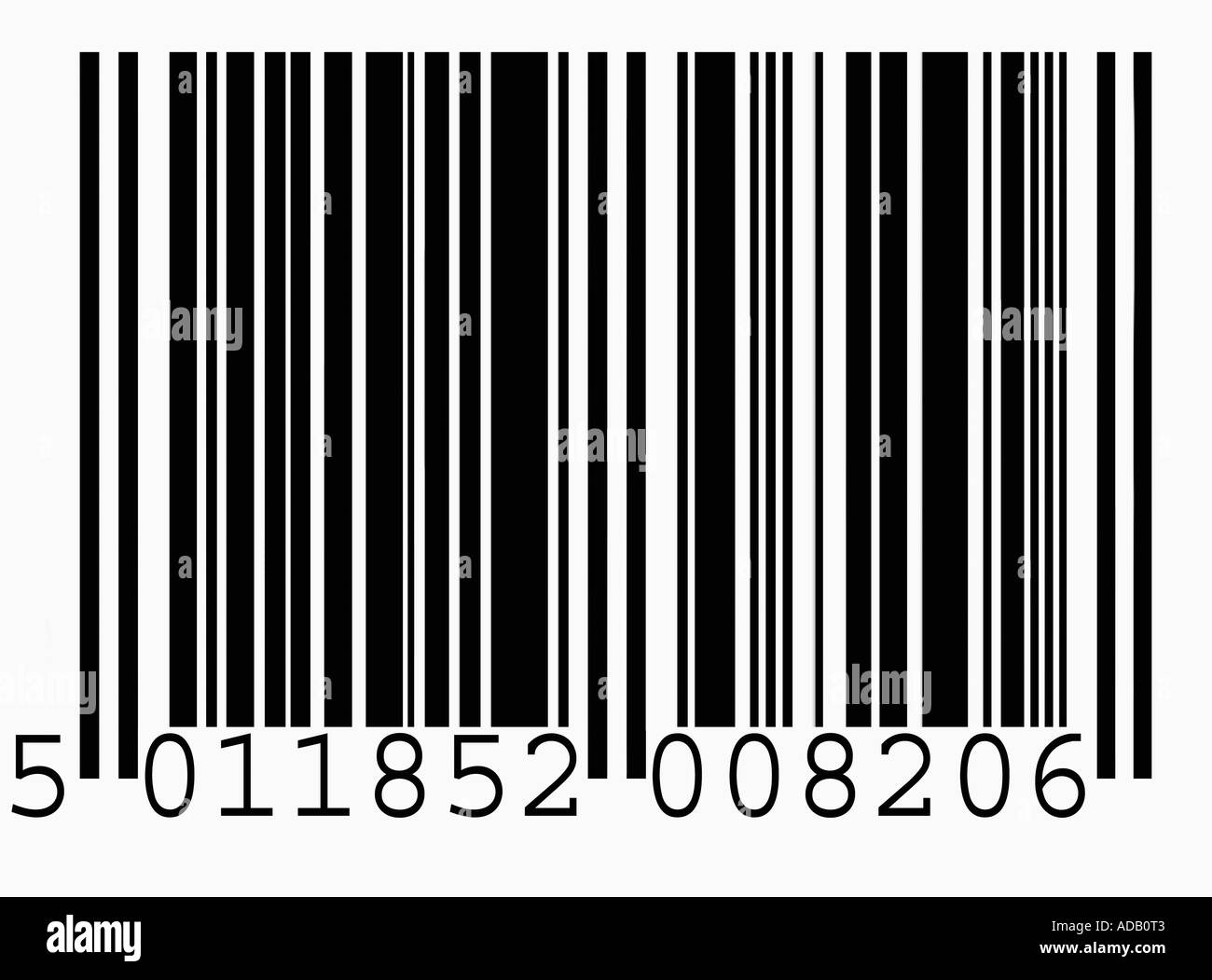
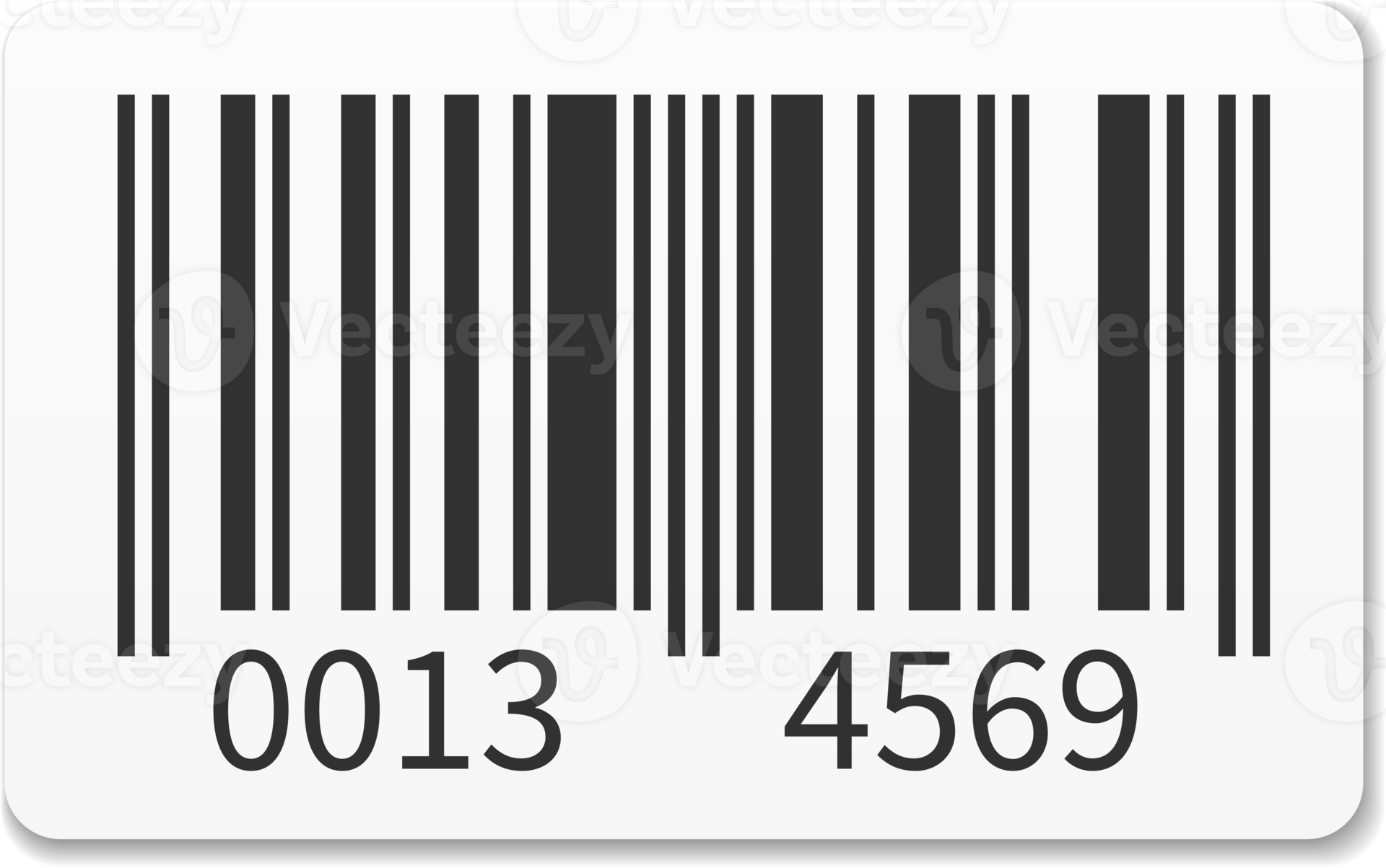
Before we dive into design, it’s vital to understand the fundamental components of a magazine barcode. The most common type found on magazines is the UPC-A barcode. This symbology encodes a 12-digit number, typically consisting of:
- Number System Character (1 digit): This indicates the type of product. For UPC-A, ‘0’ or ‘1’ often denotes general merchandise, which includes magazines.
- Manufacturer Identification Number (5 digits): Assigned by the Uniform Code Council (now GS1 US), this uniquely identifies the publisher or distributor.
- Product Identification Number (5 digits): This part is specific to the magazine title and its issue. Publishers manage these numbers to differentiate between various titles and their respective editions.
- Check Digit (1 digit): This is a calculated digit used to verify the accuracy of the scanned barcode, preventing errors during the scanning process.
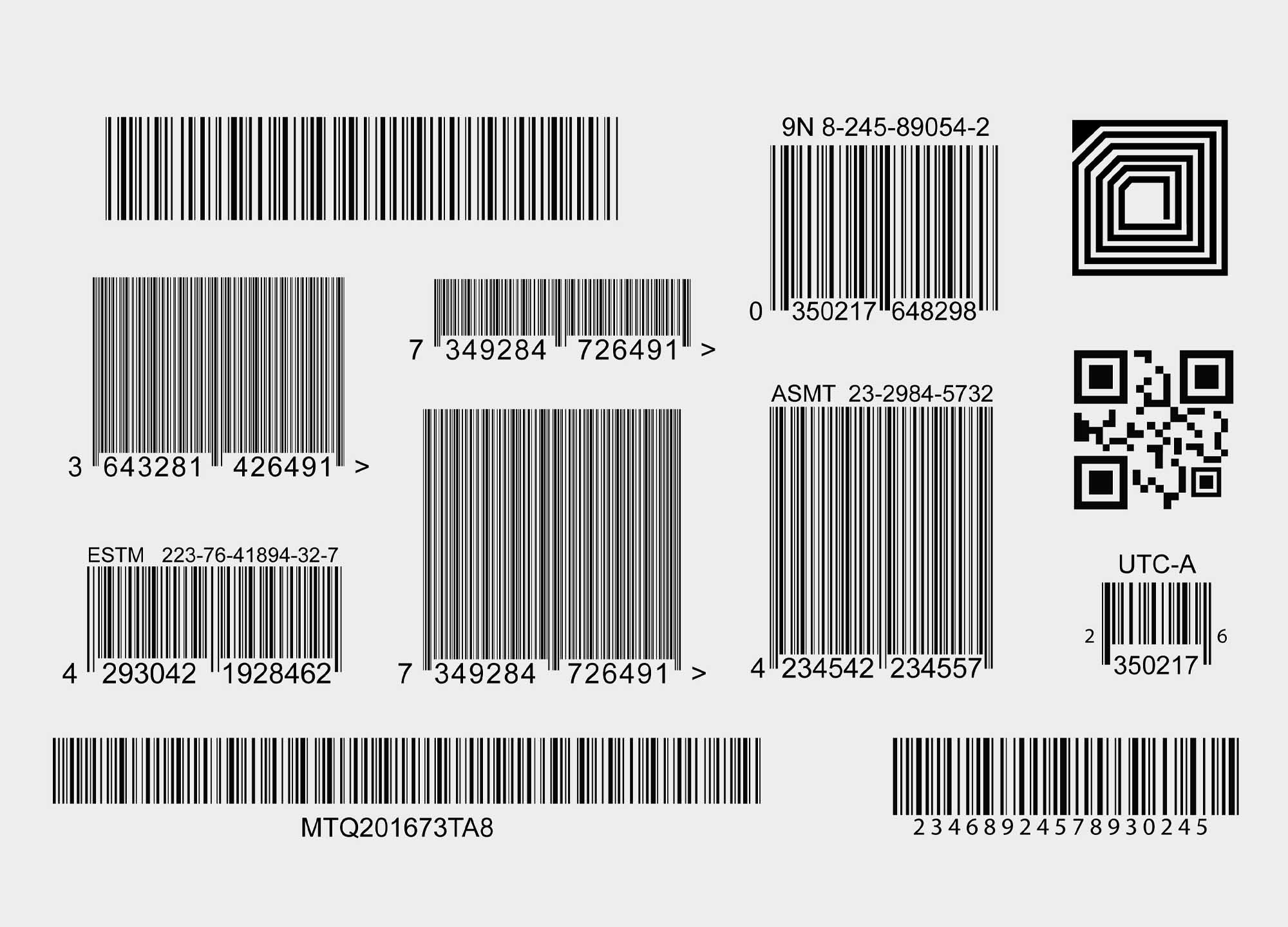
Beyond the UPC-A, some magazines might also feature the EAN-13 (European Article Number), which is similar but includes an additional country code. For international distribution, understanding these variations is crucial. The barcode for magazine cover PNG format ensures that regardless of the specific symbology, the digital representation is accurate and can be easily scaled without loss of quality.
Why a PNG for Your Barcode? The Advantages of Portable Network Graphics
When it comes to placing a barcode for magazine cover PNG, the choice of file format is paramount. PNG stands out for several compelling reasons:
- Lossless Compression: Unlike JPEG, PNG uses lossless compression. This means that when you save a PNG, no image data is lost. For a barcode, where every line and space is critical for accurate scanning, this is an absolute must. A lossy format could introduce artifacts that render the barcode unreadable.
- Scalability: PNG files are vector-based (or can be treated as such in design software), meaning they can be scaled up or down without any degradation in quality. This is essential for magazine covers, which are printed at various sizes and resolutions. A barcode for magazine cover PNG will remain sharp and clear whether it’s a small thumbnail or a large-format print.
- Transparency Support: While not always necessary for a barcode itself, PNG’s ability to support transparent backgrounds can be incredibly useful for integrating the barcode seamlessly into complex cover designs.
- High Resolution: PNGs can store high-resolution images, ensuring that the fine details of the barcode are preserved, which is critical for reliable scanning.
The ability to obtain and manipulate a barcode for magazine cover PNG with these characteristics provides designers with the confidence that their crucial functional element will perform as intended.
Strategic Placement: Where to Put Your Barcode for Maximum Impact
The placement of a barcode for magazine cover PNG is not merely an afterthought; it’s a strategic decision that impacts both functionality and aesthetics. While retailers have specific requirements, publishers have some creative leeway.
The Classic Corner: The Bottom Right
The most common and widely accepted location for a magazine barcode is the bottom right corner of the front cover. This placement offers several advantages:
- Reader Familiarity: Readers are accustomed to seeing barcodes in this position, making it easy for them to locate.
- Retailer Efficiency: Most retail scanners are positioned to easily capture barcodes from this angle.
- Minimal Design Disruption: It generally allows for more creative freedom with the main cover artwork.
When incorporating a barcode for magazine cover PNG into this space, designers must ensure it doesn’t clash with essential cover elements like the title, masthead, or key imagery.
Alternative Placements: When Creativity Calls
While the bottom right is standard, there are instances where alternative placements might be considered:
- Back Cover: Some magazines opt to place the barcode on the back cover, often near the bottom. This can be a good option if the front cover design is particularly dense or if there’s a specific promotional element that needs to occupy the prime front real estate. However, this might require publishers to ensure retailers are aware of the revised placement.
- Inside Flap: In some niche publications, the barcode might be found on an inside flap. This is less common and might be used for special editions or promotional items.
Regardless of the chosen location, the barcode for magazine cover PNG must be clearly visible and easily scannable. It’s crucial to adhere to GS1 guidelines regarding minimum quiet zones (the clear space around the barcode) to ensure optimal scanning performance.
Design Considerations: Integrating the Barcode Harmoniously
A barcode for magazine cover PNG doesn’t have to be an eyesore. With thoughtful design, it can be integrated seamlessly, even enhancing the overall aesthetic.
Color and Contrast: The Foundation of Readability
The fundamental principle of barcode design is high contrast. Traditionally, this means black bars on a white background. However, creative publishers can explore subtle variations:
- Dark Backgrounds, Lighter Bars: If the cover features a dark or vibrant background, a white or light-colored barcode can provide the necessary contrast.
- Subtle Color Tints: In some cases, a very subtle tint to the barcode bars (e.g., a deep navy instead of pure black) can be used, as long as it maintains sufficient contrast with the background. However, this requires careful testing to ensure scannability.
- Framing: A thin, contrasting border around the barcode can help it stand out from busy backgrounds.
When requesting or generating a barcode for magazine cover PNG, always prioritize the highest possible contrast ratio.
Size Matters: Finding the Right Balance
The size of the barcode is dictated by its symbology and the printing resolution. GS1 provides minimum size requirements to ensure scannability. While it’s tempting to shrink the barcode to save space, doing so can render it unreadable. Conversely, an excessively large barcode can dominate the cover design.
The beauty of using a barcode for magazine cover PNG is its scalability. You can generate a high-resolution version and then scale it down within your design software to the optimal size, ensuring it’s both functional and aesthetically pleasing. Always test the printed barcode to confirm its scannability.
The Human Element: Beyond the Machine
While the barcode is a machine-readable code, its presence on a magazine cover also communicates something to the human reader. A well-designed, clearly visible barcode conveys professionalism and efficiency. Conversely, a poorly placed or unreadable barcode can create frustration for both retailers and consumers, potentially impacting sales and brand perception. The barcode for magazine cover PNG is a critical touchpoint that, when handled with care, contributes to a positive overall experience.
The Power of the Barcode: Benefits for Publishers and Retailers
The humble barcode for magazine cover PNG is a powerhouse of benefits, impacting various aspects of the magazine lifecycle.
For Publishers: Streamlined Operations and Data Insights
- Inventory Management: Barcodes are the backbone of efficient inventory tracking. Publishers can monitor stock levels at distribution centers and retail outlets, helping to prevent stockouts and overstocking.
- Sales Tracking: Each scan provides valuable data on sales performance per issue, per retailer, and per region. This information is crucial for marketing strategies, print run decisions, and identifying successful titles.
- Returns Management: Barcodes facilitate the efficient processing of returned unsold magazines, streamlining the reverse logistics process.
- Promotional Campaigns: Barcodes can be linked to specific promotional campaigns or discounts, allowing for targeted tracking and analysis of their effectiveness.
- Reduced Errors: Automating data entry through barcode scanning significantly reduces human error, saving time and resources.
For Retailers: Efficiency and Accuracy at the Point of Sale
- Fast Checkout: Barcode scanners allow for rapid and accurate transaction processing, improving the customer experience.
- Precise Pricing: The barcode directly links to the product’s price in the store’s system, ensuring consistent and accurate charging.
- Simplified Stocktaking: Retailers can quickly and efficiently conduct inventory counts using barcode scanners.
- Reduced Shrinkage: Accurate tracking helps minimize losses due to theft or misplacement.
The reliable functionality of a barcode for magazine cover PNG is directly tied to these operational efficiencies, making it an indispensable tool for the entire publishing ecosystem.
Common Pitfalls to Avoid with Your Barcode for Magazine Cover PNG
Even with the best intentions, mistakes can happen when integrating barcodes. Being aware of these common pitfalls can save you significant trouble:
- Low Contrast: As mentioned, insufficient contrast between the barcode bars and the background is the most common reason for scanning failures.
- Distorted Barcode: Stretching, compressing, or otherwise distorting the barcode’s proportions will make it unreadable.
- Insufficient Quiet Zones: The clear space around the barcode is crucial. If this space is encroached upon by other design elements, the scanner may not be able to read the barcode accurately.
- Incorrect Symbology or Data: Ensuring the correct barcode symbology (e.g., UPC-A) and accurate product data are encoded is vital.
- Low-Resolution Image: Using a low-resolution image for your barcode for magazine cover PNG will result in a blurry, unreadable barcode when printed.
- Overlapping Design Elements: Placing text, images, or other graphical elements directly on top of the barcode bars or their quiet zones.
Always obtain your barcode for magazine cover PNG from a reputable source and follow GS1 guidelines meticulously. Thorough testing of the printed output is non-negotiable.
The Future of Barcodes in Publishing: Evolution and Innovation
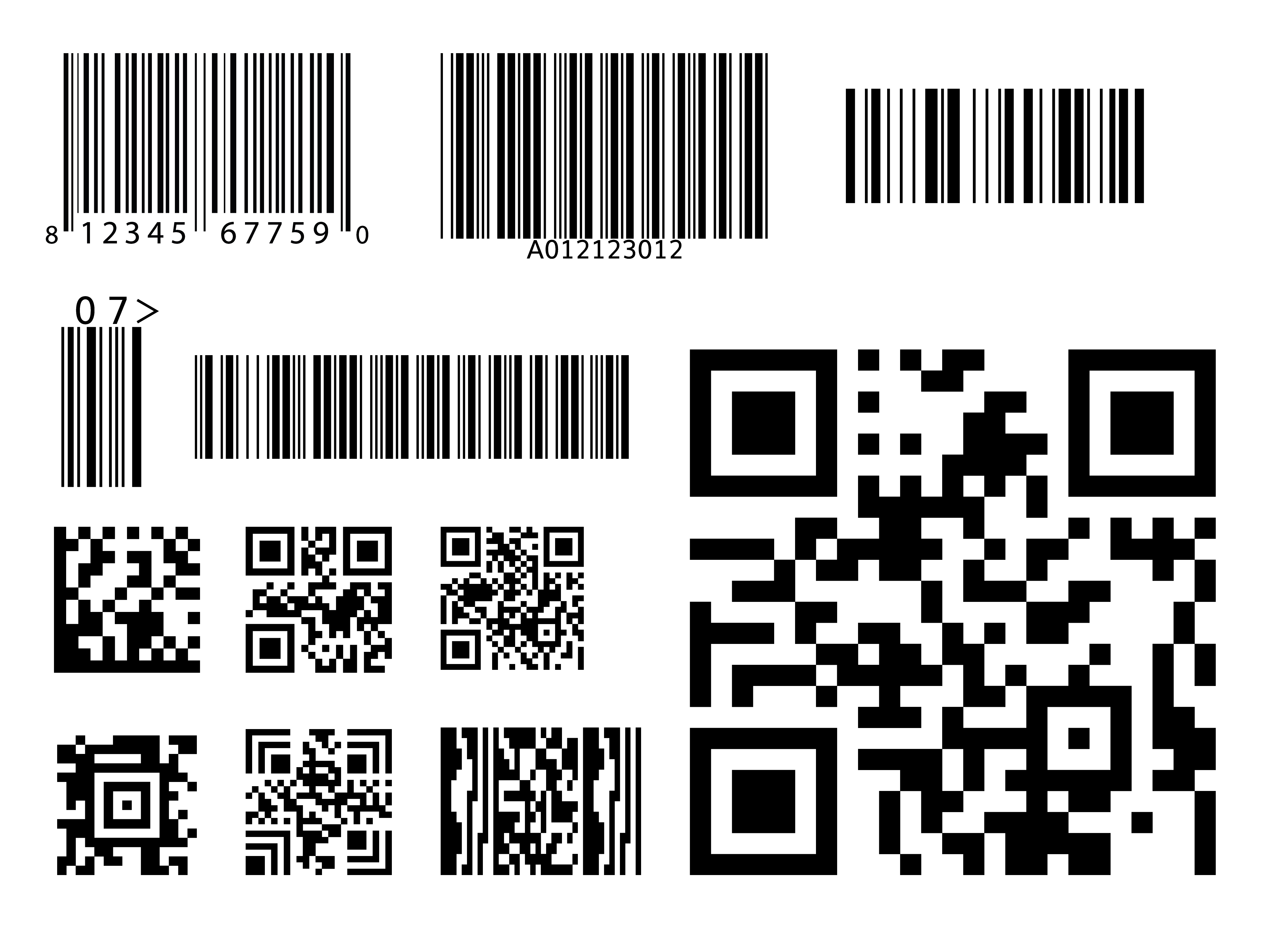
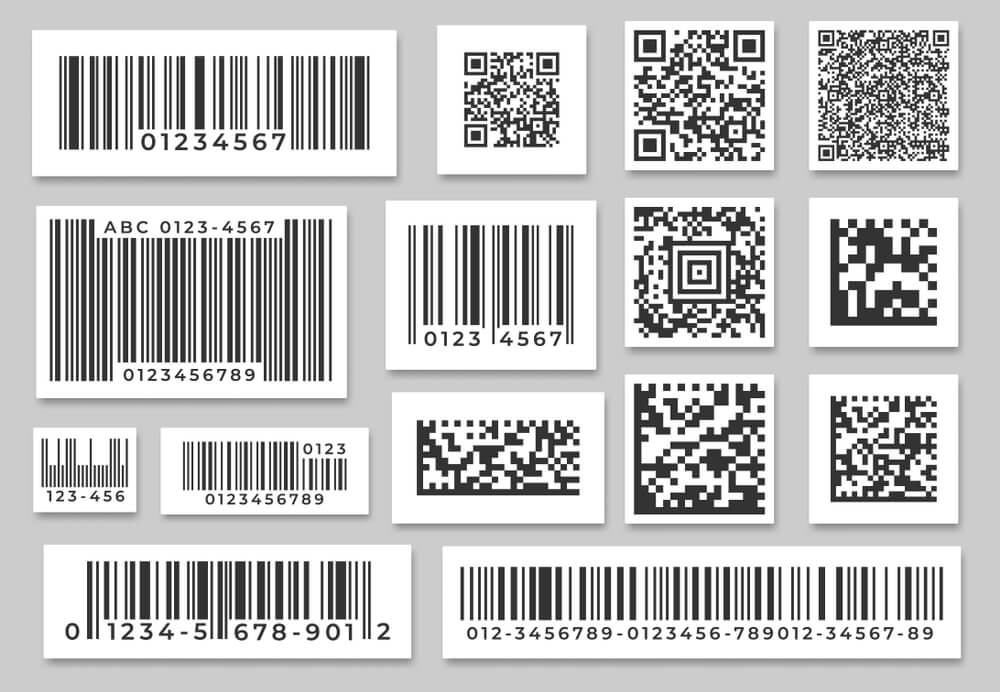
While the traditional linear barcode has served us well, the publishing landscape is constantly evolving. We are already seeing the integration of QR codes alongside traditional barcodes for enhanced interactivity, linking readers to digital content, exclusive offers, or publisher websites.
The barcode for magazine cover PNG will likely continue to be the standard for retail transactions for the foreseeable future. However, as technology advances, we may see more sophisticated machine-readable codes that offer even richer data and functionality. The ability to easily generate and manipulate a high-quality barcode for magazine cover PNG ensures publishers are well-equipped to adapt to these future changes.
Conclusion: The Enduring Importance of the Barcode for Magazine Cover PNG
The barcode for magazine cover PNG is far more than just a series of black and white lines; it’s a critical component of modern magazine publishing. It underpins efficient distribution, accurate inventory management, and valuable sales data, all while requiring careful consideration in the design process. By understanding the technical requirements, design best practices, and the immense benefits it offers, publishers can ensure their magazines are not only visually appealing but also functionally optimized for success in a competitive marketplace.
So, the next time you pick up your favorite magazine, take a moment to appreciate the intricate design and the powerful technology represented by that seemingly simple barcode for magazine cover PNG. It’s a testament to the seamless integration of art and science that brings your beloved publications to your hands.
Frequently Asked Questions (FAQ) about Barcode for Magazine Cover PNG
Q1: What is the best file format for a magazine cover barcode?
A1: The Portable Network Graphics (PNG) format is highly recommended for a barcode for magazine cover PNG due to its lossless compression, scalability, and ability to maintain high resolution without degradation, ensuring optimal scannability.
Q2: Where is the standard placement for a barcode on a magazine cover?
A2: The most common and recommended placement for a barcode for magazine cover PNG is the bottom right corner of the front cover. This position is familiar to consumers and efficient for retail scanners.
Q3: Can I use color in my magazine barcode?
A3: While traditional barcodes are black and white for maximum contrast, you can use subtle color variations (e.g., dark blue bars on a white background) as long as there is sufficient contrast for reliable scanning. Always test thoroughly.
Q4: How large should the barcode be on the magazine cover?
A4: The size of the barcode is dictated by GS1 guidelines for its specific symbology. It’s crucial to adhere to these minimum size requirements to ensure scannability. A high-resolution barcode for magazine cover PNG can be scaled appropriately.
Q5: What are the benefits of using a barcode on a magazine cover?
A5: Barcodes facilitate efficient inventory management, accurate sales tracking, simplified returns processing, and reduced errors for publishers. For retailers, they enable faster checkout and precise stocktaking.
Q6: What is a "quiet zone" for a barcode?
A6: A quiet zone is the clear, blank space surrounding the barcode. It’s essential for the scanner to accurately read the barcode’s bars and spaces. Ensure your barcode for magazine cover PNG has adequate quiet zones.
Q7: Where can I get a barcode for my magazine cover?
A7: You can obtain barcode numbers from GS1 (e.g., GS1 US) and then generate the barcode image file, The times fashion editor unveiling styles guiding light ideally as a barcode for magazine cover PNG, using specialized barcode software or online generators that adhere to GS1 standards.
Q8: Can I put a QR code and a traditional barcode on the same magazine cover?
A8: Yes, it’s common to see both a traditional barcode (for retail transactions) and a QR code (for interactive content or promotions) on magazine covers. The barcode for magazine cover PNG remains essential for the primary retail function.