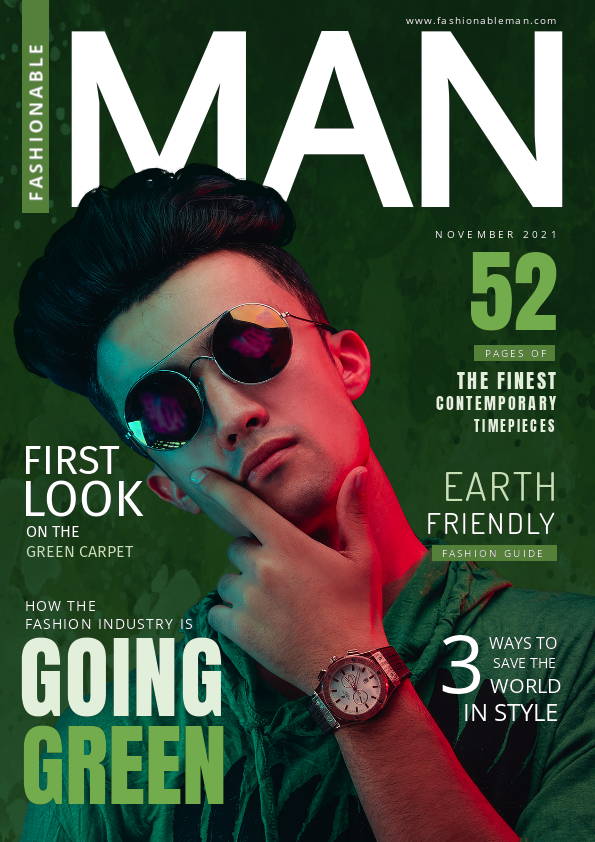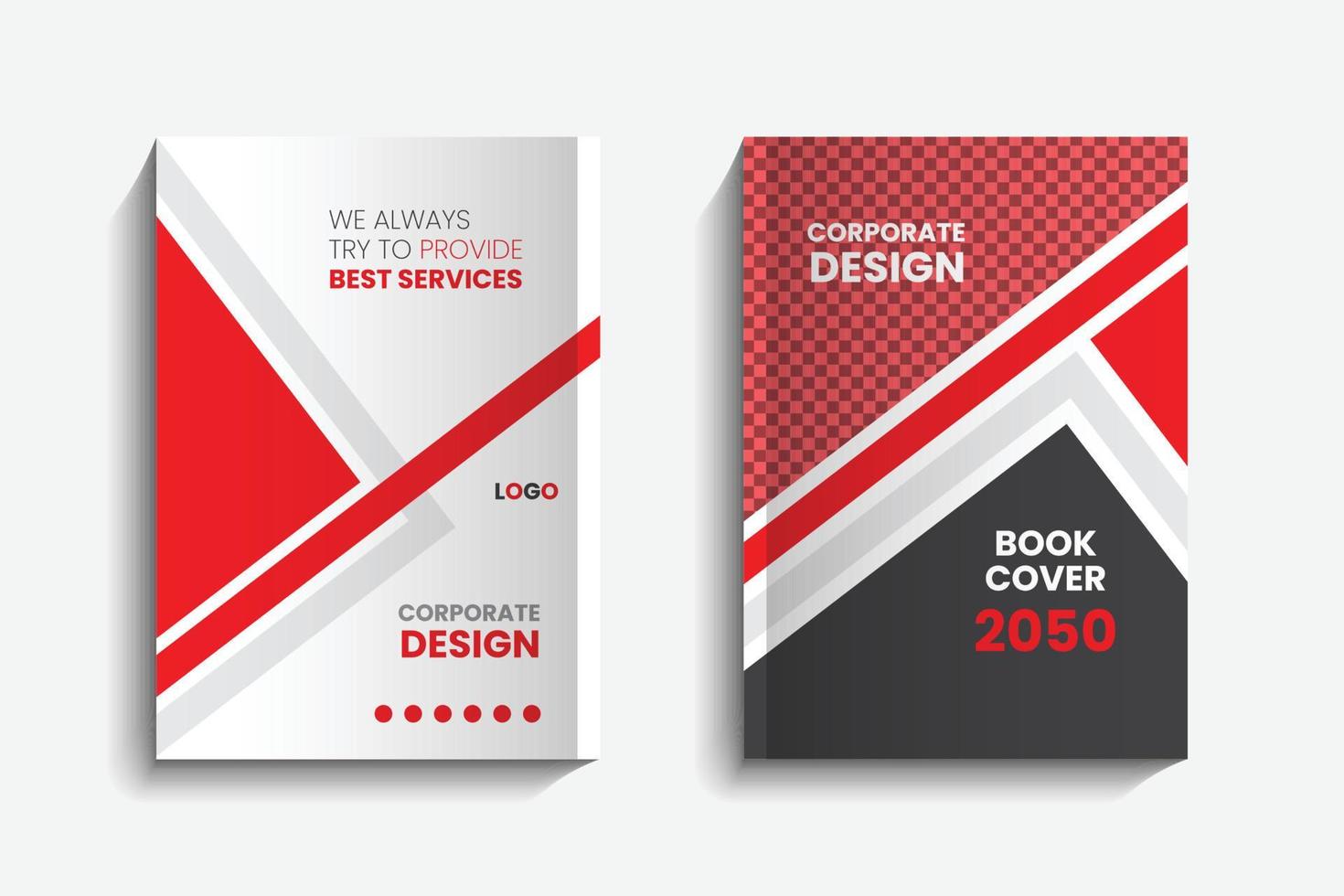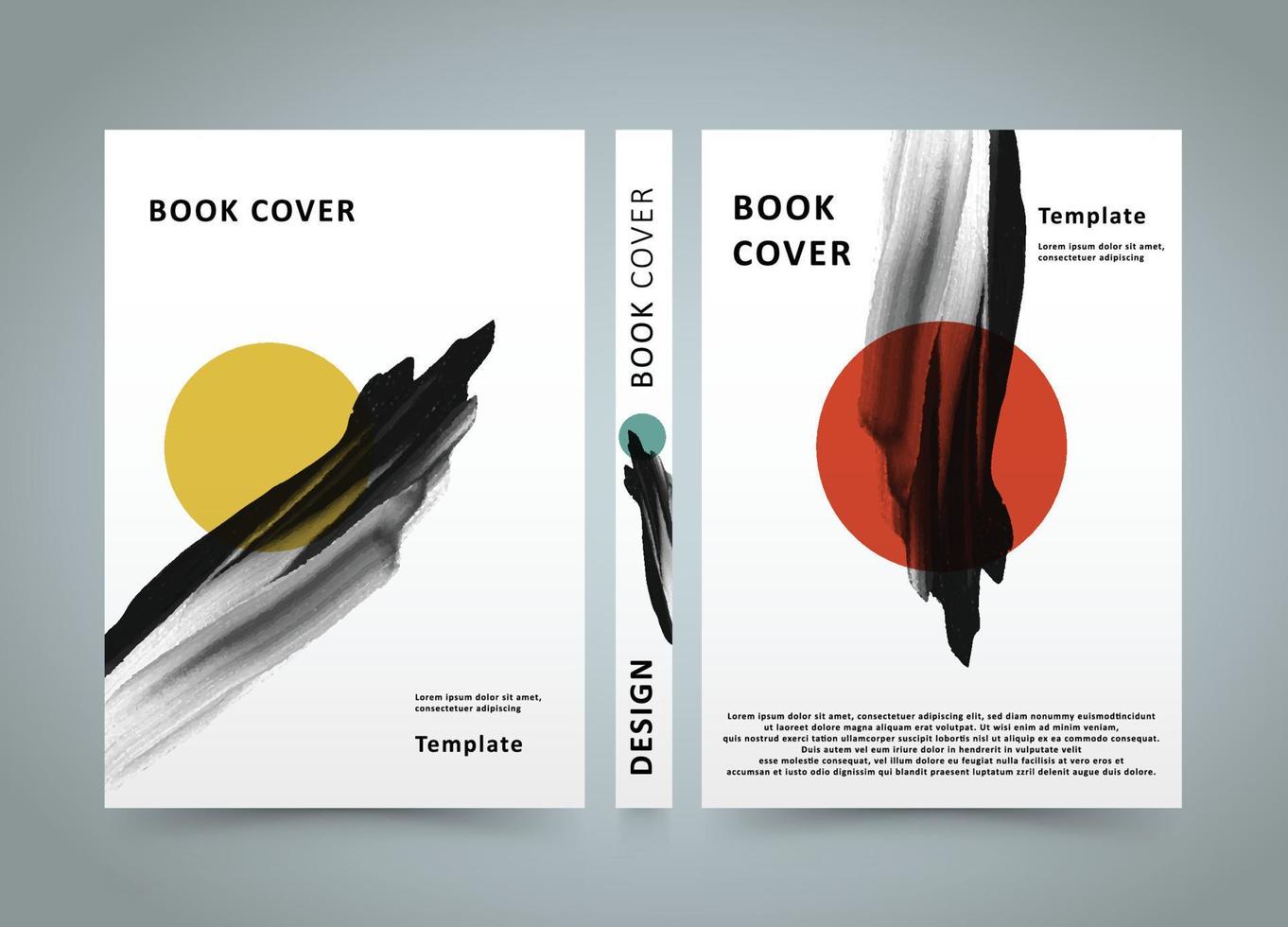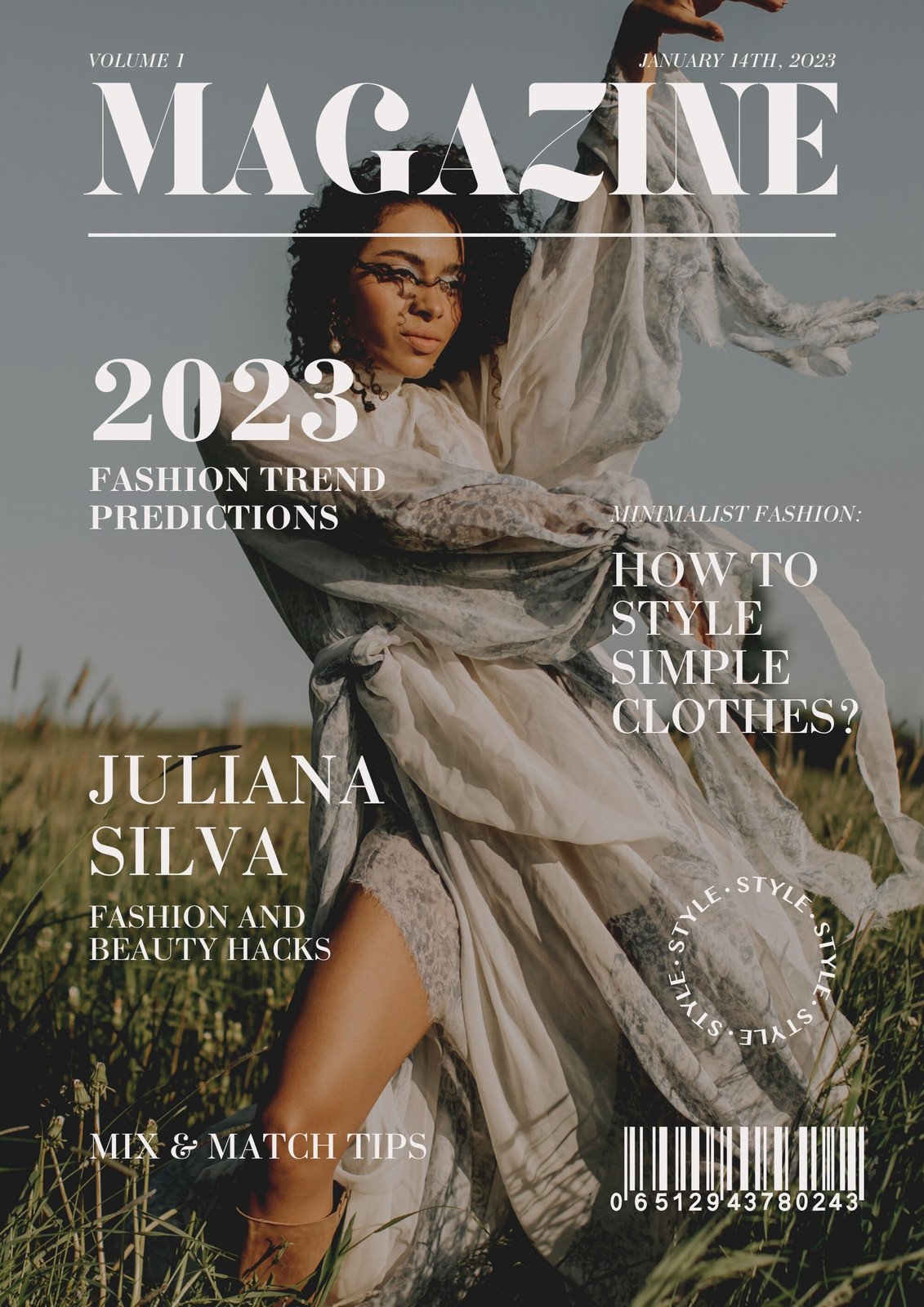
The cover page of a magazine is more than just a gateway; it’s a powerful statement, a silent salesperson, and the first impression that can make or break a reader’s engagement. In the vibrant world of print and digital publishing, a cover page of magazine designs that truly shines is an art form, a delicate balance of compelling imagery, striking typography, and strategic information. Today, we’re diving deep into what makes a magazine cover unforgettable, exploring the elements that transform a simple sheet of paper into a coveted piece of visual storytelling. Whether you’re a budding designer, a seasoned editor, or simply a magazine enthusiast, prepare to be inspired by the magic of a truly exceptional cover page of magazine designs.
The Art and Science Behind a Killer Cover Page of Magazine Designs
A successful cover page of magazine designs is a masterful blend of creativity and calculated strategy. It needs to grab attention instantly, communicate the magazine’s essence, and entice readers to pick it up (or click through). This isn’t just about pretty pictures; it’s about understanding your audience, your content, and the competitive landscape. Let’s break down the essential components that contribute to a truly spectacular cover page of magazine designs.
H3: The Cornerstone: Compelling Imagery
The image is undeniably the hero of any cover page of magazine designs. It’s the visual hook that draws the eye and sparks curiosity.
H4: Photography: The Power of a Single Shot
High-quality photography is paramount. Whether it’s a celebrity portrait, a breathtaking landscape, or a dynamic action shot, the photograph must be:
- High Resolution and Professional Quality: Blurry or pixelated images scream amateur. Invest in skilled photographers and ensure images are sharp, well-lit, and properly composed.
- Emotionally Resonant: The image should evoke a feeling. Is it aspirational, intriguing, joyful, or thought-provoking? The emotion conveyed should align with the magazine’s overall tone and the featured content.
- Relevant to the Content: While artistic merit is important, the image must also hint at what lies within the pages. A fashion magazine shouldn’t feature a blurry picture of a broken toaster unless it’s a highly conceptual and ironic editorial.
- Visually Striking: Think about color palettes, composition, and focal points. A strong visual hierarchy within the image itself can guide the viewer’s eye.
H4: Illustration: Unleashing Creative Freedom
Illustrations offer a unique avenue for cover page of magazine designs, allowing for a level of conceptualization and artistic expression that photography might not always achieve.
- Unique Aesthetic: Illustrations can create a distinct brand identity and stand out from the crowd of photographic covers.
- Conceptual Storytelling: An illustration can convey abstract ideas or create surreal, dreamlike scenarios that perfectly encapsulate a theme.
- Versatility: From minimalist line art to intricate digital paintings, the possibilities are endless, offering immense flexibility for different genres.
H3: Typography: The Voice of the Cover
While the image captivates, typography speaks volumes. The fonts chosen for the magazine title, headlines, and any other text on the cover are Korean jeans pants for men the ultimate style upgrade crucial for conveying tone, readability, and hierarchy.
H4: The Masthead: Establishing Identity
The magazine’s title (masthead) is its brand. It needs to be:
- Legible at a Glance: Readers should be able to identify the magazine instantly, even from a distance or in thumbnail form online.
- Reflective of the Brand: A luxury fashion magazine will likely use elegant serif fonts, while a tech publication might opt for modern sans-serifs.
- Consistent: The masthead font should be a consistent element across all issues to build brand recognition.
H4: Headlines and Teasers: The Call to Action
Headlines and teaser text are designed to entice readers further, giving them a taste of the compelling content inside.
- Clear and Concise: Headlines should be short, punchy, and easy to understand.
- Intriguing and Benefit-Oriented: They should pique curiosity and suggest what the reader will gain from opening the magazine.
- Hierarchical Placement: Font size, weight, and color should be used to create a clear hierarchy, guiding the reader’s eye to the most important information first.
- Font Pairing: Choosing complementary fonts for headlines and body text is essential for visual harmony. Avoid using too many different font families, which can create visual clutter.
H3: Color Palette: Setting the Mood
Color is a powerful psychological tool. The colors used on a cover page of magazine designs can evoke specific emotions and associations.
- Brand Consistency: Colors should align with the magazine’s established brand identity.
- Mood and Tone: Bright, vibrant colors can convey excitement and energy, while muted tones might suggest sophistication or introspection.
- Contrast and Readability: Ensure sufficient contrast between text and background colors for optimal readability.
- Trend Awareness: While maintaining brand identity, designers might also consider current color trends in their respective industries.
H3: Layout and Composition: The Unseen Architect
The arrangement of all elements on the cover page of magazine designs is critical for visual flow and impact.
- Rule of Thirds: A common compositional guideline that can create visually pleasing arrangements.
- Negative Space: The strategic use of empty space can make key elements stand out and prevent the cover from feeling overwhelming.
- Visual Hierarchy: Guiding the reader’s eye through the cover in a logical order, from the most important element (often the image or masthead) to the secondary information.
- Balance: Achieving a sense of visual equilibrium, whether symmetrical or asymmetrical, is crucial for a polished look.
H3: The "Hero" Element: Making a Bold Statement
Every great cover page of magazine designs has a "hero" element – the one thing that truly makes it pop. This could be:
- An Unexpected Image: A surprising or unconventional photograph or illustration.
- A Powerful Quote: A compelling headline or teaser that sparks immediate interest.
- Minimalist Design: A bold, uncluttered approach that relies on a single, impactful element.
- Unique Typography: A striking font choice or creative text treatment.
The Evolution of the Cover Page of Magazine Designs: From Print to Pixels
The fundamental principles of a compelling cover page of magazine designs remain constant, but the digital age has introduced new considerations and opportunities.
H3: The Print Advantage: Tactile and Tangible
Print covers offer a unique sensory experience. The feel of the paper, the gloss of the ink, and the sheer physicality of holding a magazine contribute to its impact. Designers must consider:
- Paper Stock and Finish: The choice of paper can significantly affect the perceived quality and aesthetic.
- Die-cuts and Special Finishes: Embossing, foil stamping, and spot UV can add a luxurious and tactile dimension.
- Size and Orientation: The standard magazine dimensions are well-understood, but creative formats can also be explored.
H3: The Digital Realm: Adaptability and Interactivity
Digital covers, whether for websites, apps, or social media, require a different approach.
- Thumbnail Optimization: Covers must be instantly recognizable and appealing even as small thumbnails.
- Adaptability: Designs need to work across various screen sizes and resolutions.
- Interactivity: For digital publications, covers can incorporate animated elements, clickable links, or embedded videos, offering a more dynamic experience.
- SEO Considerations: For online magazines, the cover page of magazine designs plays a role in search engine visibility. Descriptive titles, alt text for images, and relevant keywords are essential.
Analyzing Iconic Cover Page of Magazine Designs: Lessons Learned
Looking at successful cover page of magazine designs from history and contemporary publications can provide invaluable insights.
H3: Vogue: The Epitome of Fashion and Sophistication
Vogue consistently delivers stunning cover page of magazine designs that are instantly recognizable. They often feature:
- A-list Celebrities or Supermodels: Photographed by the world’s leading fashion photographers.
- Elegant Typography: Classic serif fonts for the masthead, with carefully chosen sans-serifs for headlines.
- Minimalist Layouts: Allowing the model and the fashion to take center stage.
- A Sense of Aspiration: Evoking glamour, luxury, and a desirable lifestyle.
H3: National Geographic: Storytelling Through Imagery
National Geographic’s covers are renowned for their powerful and often poignant photography that tells a story.
- Captivating Wildlife and Nature Photography: Images that evoke wonder, awe, and sometimes concern for the planet.
- Bold Yellow Masthead: A consistent and iconic branding element.
- Minimal Text: Allowing the image to speak for itself, with a single, compelling headline.
- Educational and Informative: Hinting at the in-depth exploration of a topic within the magazine.
H3: Wired: The Future of Technology and Innovation
Wired’s cover Korean style jacket for men elevate your wardrobe with effortless cool page of magazine designs often reflects its forward-thinking content.
- Futuristic and Edgy Imagery: Often incorporating graphic design elements and bold colors.
- Modern Typography: Clean, sans-serif fonts that convey innovation and intelligence.
- Intriguing Headlines: Posing questions or making bold statements about technology and its impact.
- A Sense of Discovery: Encouraging readers to explore the cutting edge of what’s next.
Common Pitfalls to Avoid in Cover Page of Magazine Designs
Even with the best intentions, certain mistakes can undermine the effectiveness of a cover page of magazine designs.
H3: Overcrowding and Clutter
Too much text, too many images, or an unorganized layout can overwhelm the reader and make it difficult to discern the magazine’s purpose.
H3: Poor Image Quality
Low-resolution, poorly lit, or uninspired photography instantly diminishes the perceived value of the magazine.
H3: Inconsistent Branding
A masthead that changes drastically from issue to issue or a color palette that clashes with the brand identity can confuse readers.
H3: Unreadable Typography
Fonts that are too small, too ornate, or lack sufficient contrast with the background make it a chore to read the essential information.
H3: Lack of a Clear Focal Point
When everything on the cover vies for attention equally, the reader’s eye doesn’t know where to land, leading to a disengaging experience.
The Future of Cover Page of Magazine Designs: Embracing Innovation
As technology continues to evolve, so too will the possibilities for cover page of magazine designs. We can anticipate:
- Increased Integration of Augmented Reality (AR): Imagine a cover that comes to life when viewed through a smartphone app.
- Personalized Cover Experiences: Digital platforms might allow for covers that adapt based on user preferences.
- AI-Generated Visuals: While still in its early stages, AI could offer new avenues for creating unique and compelling imagery.
- Sustainable Design Practices: A growing emphasis on eco-friendly materials and printing methods.
Conclusion: The Enduring Power of a Captivating Cover
The cover page of magazine designs remains a critical element in the success of any publication. It’s the first handshake, the initial spark of interest, and the promise of a rewarding reading experience. By understanding the interplay of imagery, typography, color, and layout, designers can create covers that not only attract attention but also resonate deeply with their intended audience. So, the next time you pick up a magazine, take a moment to appreciate the artistry and strategy that went into its cover – it’s a testament to the enduring power of visual communication.
What are some of your favorite magazine covers of all time? Share them in the comments below!
FAQ: Your Burning Questions About Cover Page of Magazine Designs Answered
Q1: What is the most important element of a magazine cover?
While all elements are important, the image is often considered the most crucial element of a cover page of magazine designs as it’s the primary visual hook that grabs attention.
Q2: How many fonts should be used on a magazine cover?
It’s generally recommended to use no more than two or three font families for a cover page of magazine designs to maintain visual harmony and readability.
Q3: What is a masthead in magazine design?
The masthead is the magazine’s title that appears prominently on the cover, serving as its primary brand identifier.
Q4: How can I make my magazine cover stand out?
To make your cover page of magazine designs stand out, focus on a unique and compelling image, strong typography, a clear visual hierarchy, and a bold, memorable design.
Q5: Does the cover page of magazine designs matter for online publications?
Yes, absolutely. For online publications, the cover page of magazine designs (or its digital equivalent) is crucial for click-through rates, social media engagement, and overall brand perception. It needs to be optimized for digital platforms and search engines.