Unlock the secrets to a truly impactful tech magazine cover! In the fast-paced world of innovation, a Korean clothes women crop top embrace the chic effortless style compelling magazine cover is your gateway to capturing attention, sparking curiosity, and establishing your publication’s authority. Whether you’re aiming to celebrate a groundbreaking advancement or highlight a pressing concern within the tech landscape, the art of designing a magazine cover of a tech is a powerful blend of strategic thinking and creative execution. This guide will equip you with the knowledge and inspiration to craft covers that not only look stunning but also resonate deeply with your audience.
The Powerful Art of Designing a Magazine Cover of a Tech
The digital age bombards us with information, making the initial impression of a magazine cover more critical than ever. When it comes to technology, this impression needs to be immediate, insightful, and intriguing. A well-designed tech magazine cover acts as a silent salesperson, whispering promises of cutting-edge insights, exclusive interviews, and the future of our connected world. It’s not just about a pretty picture; it’s about conveying a complex narrative in a single, powerful visual.
Understanding Your Audience and Content
Before a single pixel is placed, the most crucial step in designing a magazine cover of a tech is a profound understanding of both your target audience and the core message of the issue. Who are you trying to reach? Are they seasoned developers, curious consumers, business leaders, or a mix of all? Their existing knowledge, interests, and aesthetic preferences will heavily influence your design choices.
- Demographics and Psychographics: Consider age, profession, income level, and their general attitude towards technology. Are they early adopters eager for the next big thing, or are they more cautious observers concerned about the societal implications of tech?
- Content Pillars: What are the main themes of this particular issue? Is it about artificial intelligence, cybersecurity, sustainable tech, the metaverse, or perhaps a critical look at tech’s impact on society? The cover must reflect this content accurately and enticingly.
- Publication’s Brand Identity: Every magazine has a unique voice and visual style. Your cover design should align seamlessly with your existing brand, reinforcing its identity and building recognition.
The Emotional Resonance: Positive vs. Negative Sentiment
The sentiment you choose to convey on your tech magazine cover can dramatically alter its reception. A positive sentiment can inspire optimism and excitement, while a negative sentiment can provoke thought and caution.
- Positive Sentiment: The Dawn of Innovation: Covers exuding positivity often feature bright colors, aspirational imagery, and a sense of forward momentum. Think sleek, futuristic designs, images of people benefiting from technology, or abstract representations of progress. This approach aims to generate excitement and position the magazine as a source of groundbreaking news and opportunities. When designing a magazine cover of a tech with a positive outlook, you’re selling hope and the promise of a better future.
- Keywords for Positive Covers: Innovation, Future, Breakthrough, Opportunity, Progress, Empowerment, Connected, Smart, Evolving, Leading.
- Visual Cues: Bright, vibrant colors (blues, greens, whites), clean lines, upward-trending graphics, images of successful tech implementation, happy and engaged users.
- Negative Sentiment: Navigating the Shadows: Conversely, a negative sentiment can be equally impactful, prompting readers to engage with critical issues. These covers might use darker color palettes, stark imagery, or visuals that evoke concern or caution. This approach is effective when addressing topics like data privacy breaches, ethical dilemmas in AI, or the environmental impact of technology. Designing a magazine cover of a tech with a negative slant requires careful consideration to avoid being overly alarmist while still conveying a sense of urgency.
- Keywords for Negative Covers: Threat, Risk, Challenge, Dilemma, Crisis, Vulnerability, Control, Surveillance, Impact, Reckoning.
- Visual Cues: Darker, muted colors (grays, blacks, deep reds), sharp angles, fragmented imagery, silhouettes, imagery of surveillance, or abstract representations of complex problems.
Crafting the Visual Hierarchy: What Grabs the Eye First?
On a crowded newsstand or a scrolling digital feed, your cover has mere seconds to make an impact. This is where visual hierarchy becomes your best friend. Every element on the cover must work in concert to guide the reader’s eye and communicate the most important information first.
- The Hero Image/Illustration: This is the dominant visual element. It should be high-quality, relevant to the cover story, and emotionally engaging. Whether it’s a striking photograph of a new gadget, a thought-provoking illustration, or a powerful abstract design, it needs to tell a story at a glance.
- The Masthead/Logo: Your publication’s name is your brand. It needs to be prominent, legible, and instantly recognizable. Its placement and font choice are crucial for brand recall.
- The Cover Lines: These are the teasers that entice readers to pick up the magazine. They should be concise, benefit-driven, and clearly communicate the most compelling stories within. The most important cover line, often hinting at the main cover story, should have the most visual weight.
- Supporting Graphics/Elements: These can include smaller images, icons, or graphic treatments that add context or visual interest without detracting from the main elements.
Typography: The Unsung Hero of Design
The fonts you choose for your tech magazine cover are far more than just Womens roman fashion styles timeless elegance unveiled text; they are visual statements that convey personality and tone.
- Legibility is Paramount: No matter how stylish, if your masthead or cover lines are difficult to read, your design has failed. Choose fonts that are clear and distinct, especially at smaller sizes.
- Font Pairing: Select complementary fonts for your masthead, headlines, and body text (if any). A common approach is to pair a bold, impactful font for the masthead with a cleaner, more readable font for cover lines.
- Conveying Tone: Sans-serif fonts often evoke a modern, sleek, and futuristic feel, making them popular choices for tech publications. Serif fonts can lend a sense of tradition, authority, or intellectual depth. Experiment with different weights and styles to achieve the desired emotional impact.
- Hierarchy Through Size and Weight: Use variations in font size and weight to create a clear hierarchy. The most important information should be the largest and boldest.
Color Palette: Setting the Mood and Tone
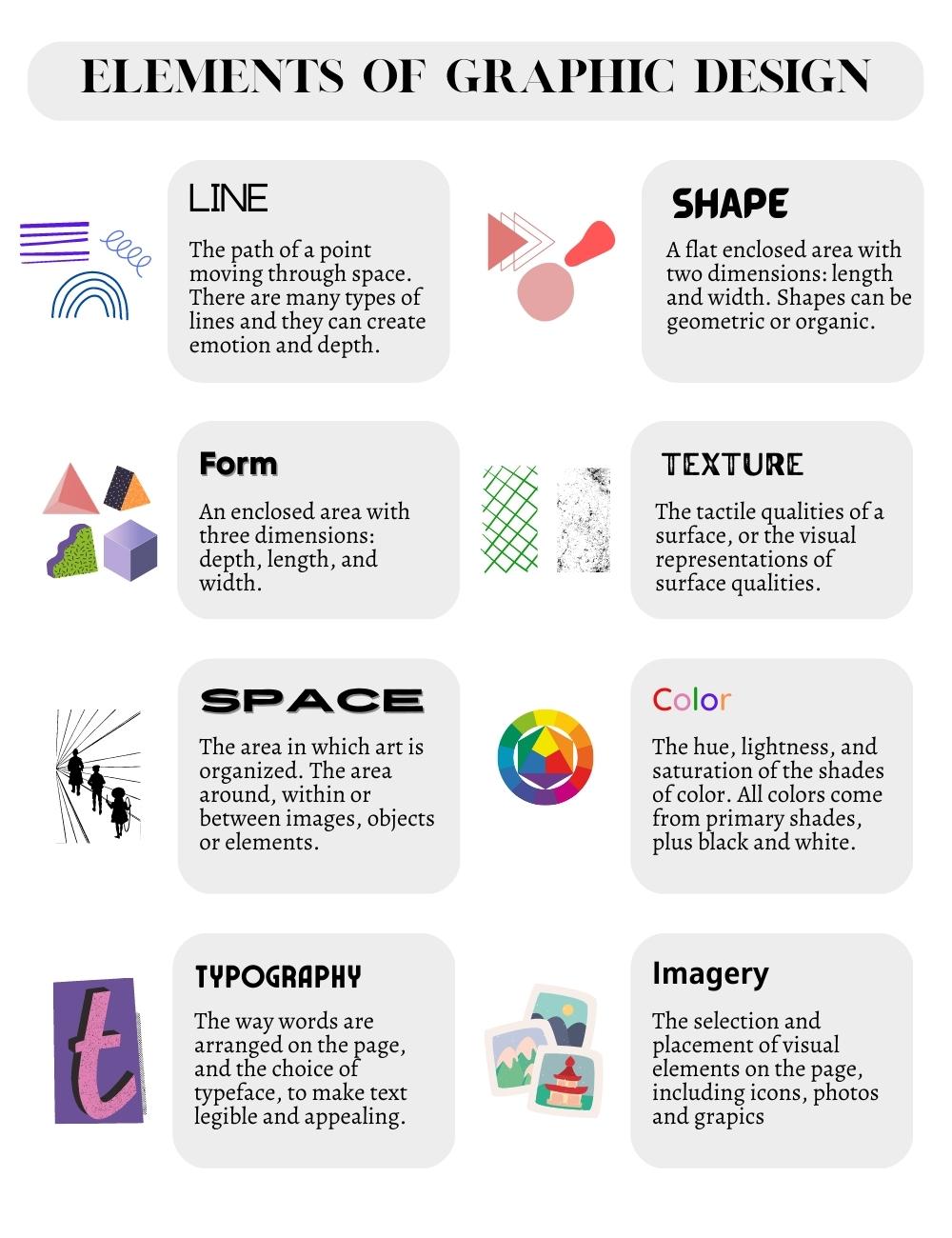
Color is a powerful psychological tool. The colors you choose for your tech magazine cover can instantly communicate emotion, industry, and even the perceived quality of the content.
- Industry Conventions: While not a strict rule, certain colors are often associated with the tech industry. Blues often convey trust, intelligence, and stability. Greens can suggest innovation, growth, and sustainability. Grays and blacks can evoke sophistication, power, and a premium feel.
- Emotional Impact: Bright, saturated colors can convey excitement and energy, while muted or desaturated colors can suggest seriousness or a more analytical approach.
- Contrast and Readability: Ensure sufficient contrast between your text and background colors to guarantee legibility, especially for cover lines.
- Brand Consistency: Integrate your brand’s core colors into the design to maintain brand recognition.
Imagery: The Storyteller’s Canvas
The image or illustration you select for your tech magazine cover is often the first point of connection with potential readers. It needs to be captivating and relevant.
- Photography: High-quality, professional photography can lend an air of authenticity and immediacy. Consider close-ups of innovative technology, dynamic shots of people interacting with tech, or abstract interpretations of technological concepts.
- Illustration: Illustrations offer immense creative freedom. They can be used to visualize abstract concepts, create unique brand aesthetics, or depict scenarios that photography cannot easily capture.
- Iconography and Graphics: Simple icons or graphic elements can be used to represent specific technologies or concepts, adding visual interest and clarity.
- Originality and Impact: Avoid generic stock imagery. Strive for visuals that are unique, thought-provoking, and memorable.
Layout and Composition: The Art of Balance
A well-balanced layout guides the reader’s eye through the cover and ensures that all elements are presented harmoniously.
- The Rule of Thirds: Imagine your cover divided into a 3×3 grid. Placing key elements along these lines or at their intersections can create a more dynamic and visually appealing composition.
- Negative Space (White Space): Don’t be afraid of empty space. It allows your key elements to breathe and prevents the cover from looking cluttered. Strategic use of negative space can draw attention to important details.
- Flow and Movement: Design your layout so that the reader’s eye naturally flows from the masthead to the hero image and then to the cover lines.
- Grid Systems: Utilizing a consistent grid system helps maintain order and visual consistency across your designs.
The Power of a Single Word: Crafting Compelling Headlines
The main headline on your tech magazine cover is your most potent tool for grabbing attention. It needs to be concise, intriguing, and hint at the core value proposition of the issue.
- Intrigue and Curiosity: Pose a question, make a bold statement, or hint at a surprising revelation.
- Benefit-Oriented: What will the reader gain by opening this magazine? Highlight the knowledge, insights, or solutions they will discover.
- Keywords for Impact: Incorporate relevant keywords that resonate with your target audience and reflect the cover story.
- Conciseness is Key: Get straight to the point. Long, rambling headlines rarely work on a cover.
Essential Design Elements for a Tech Magazine Cover
When designing a magazine cover of a tech, several elements are consistently present and contribute to its overall success.
- Masthead/Logo: The magazine’s name, prominently displayed.
- Hero Image/Illustration: The main visual focal point.
- Main Headline: The primary teaser for the cover story.
- Secondary Cover Lines: Teasers for other significant articles within the issue.
- Date and Issue Number: Essential for identification and archiving.
- Barcode/Price: Functional elements, usually placed discreetly.
- Color Palette: The overarching color scheme.
- Typography: The choice of fonts and their styling.
Leveraging LSI Keywords for Enhanced SEO
To ensure your article on designing a magazine cover of a tech ranks well, it’s important to naturally weave in LSI keywords. These are terms that are semantically related to your main keyword and help search engines understand the broader context of your content.
- Related to Design: Graphic design, editorial design, visual communication, layout design, typography design, color theory, composition, branding.
- Related to Technology: Artificial intelligence, machine learning, cybersecurity, future of tech, innovation, gadgets, software, hardware, digital transformation, startups, tech trends.
- Related to Magazines: Editorial, publication, cover art, front cover, magazine layout, print design, digital publishing.
- Related to Strategy: Marketing, audience engagement, brand awareness, visual storytelling, content strategy.
Designing a Magazine Cover of a Tech: A Practical Workflow
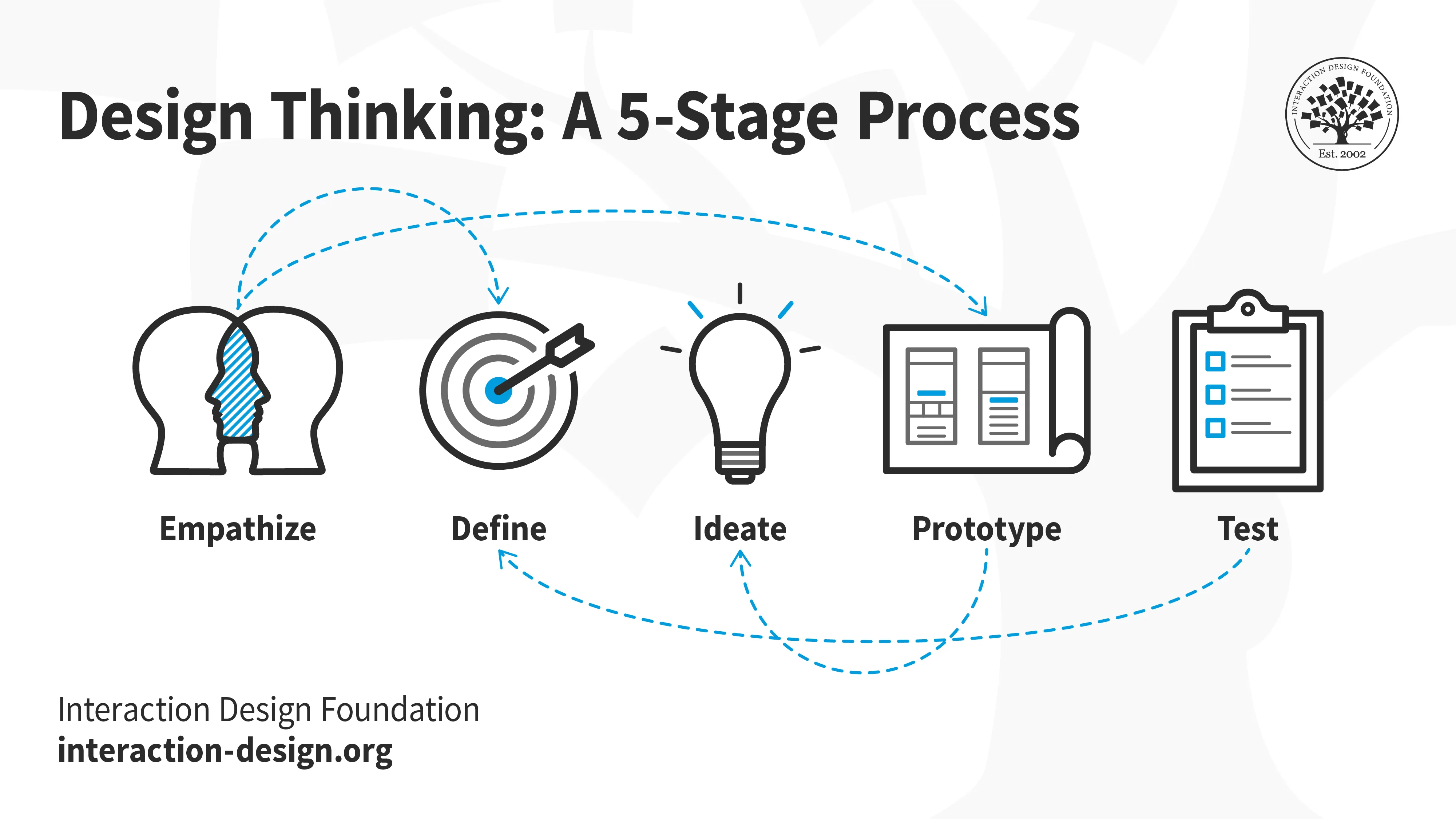
- Briefing and Research: Understand the issue’s content and target audience.
- Concept Development: Brainstorm multiple visual concepts.
- Mood Board Creation: Gather inspiration for imagery, typography, and color.
- Sketching and Wireframing: Develop initial layout ideas.
- Image/Illustration Selection or Creation: Source or commission the hero visual.
- Typography Application: Choose and implement fonts for all text elements.
- Color Palette Refinement: Apply and adjust colors for maximum impact.
- Layout and Composition: Arrange all elements harmoniously.
- Cover Line Crafting: Write compelling and concise teasers.
- Review and Iteration: Get feedback and make necessary revisions.
- Finalization and Pre-press: Prepare the design for printing or digital distribution.
Frequently Asked Questions About Designing a Magazine Cover of a Tech
Q1: What is the most important element of a tech magazine cover?
A1: While all elements are crucial, the hero image or illustration and the main headline are typically the most impactful in grabbing initial attention and conveying the issue’s core message.
Q2: Should I use photography or illustration for my tech magazine cover?
A2: Both can be highly effective. Photography offers realism and immediacy, while illustration provides creative freedom to visualize abstract concepts or create a unique brand identity. The best choice depends on the specific content and desired tone.
Q3: How do I ensure my tech magazine cover is SEO-optimized?
A3: Naturally incorporate relevant keywords like "design a magazine cover of a tech," "tech magazine design," "cover art," and related LSI terms throughout your article. Focus on providing valuable, informative content that users are searching for.
Q4: What are some common mistakes to avoid when designing a tech magazine cover?
A4: Common mistakes include cluttered layouts, illegible typography, generic imagery, a lack of clear visual hierarchy, and failing to align the cover with the issue’s content or the publication’s brand.
Q5: How can I create a sense of excitement or urgency on a tech magazine cover?
A5: Use dynamic imagery, bold typography, vibrant color palettes, and compelling headlines that hint at groundbreaking discoveries or critical challenges.
In Conclusion:
Designing a magazine cover of a tech is a multifaceted and rewarding endeavor. By understanding your audience, mastering visual hierarchy, and employing strategic design principles, you can create covers that not only capture attention but also spark conversation and drive engagement. Whether you’re celebrating the boundless potential of innovation or critically examining the challenges ahead, your cover is your ultimate storytelling tool.
What are your favorite tech magazine covers, and what makes them stand out to you? Share your thoughts in the comments below, and let’s celebrate the art of visual communication in the world of technology!