Are you ready to transform your magazine from a collection of words and images into a captivating visual experience? For aspiring publishers, seasoned editors, and anyone dreaming of bringing their unique vision to life on glossy pages, design layout templates for magazines are an absolute game-changer. They’re not just a starting point; they’re a powerful springboard for creativity, offering a structured yet flexible foundation to build something truly spectacular. Forget the daunting blank page; with the right templates, you can harness the power of proven design principles and infuse your publication with professional polish and undeniable appeal.
In the vibrant world of print and digital media, a magazine’s success hinges on more than just compelling content. It’s the visual storytelling, the flow of information, and the overall aesthetic that draws readers in and keeps them engaged. This is where the magic of design layout templates for magazines truly shines. They provide a roadmap, guiding you through the intricate dance of typography, imagery, and white space, ensuring your message is not only heard but also seen with clarity and impact.
The Undeniable Power of Design Layout Templates for Magazines
Imagine stepping into a beautifully decorated room. The furniture is arranged harmoniously, the colors complement each other, and there’s a sense of purpose and flow. That’s precisely what a well-chosen design layout template for magazines does for your publication. It brings order to the creative chaos, offering a pre-defined structure that adheres to established design best practices. This isn’t about stifling your creativity; it’s about providing a robust framework upon which you can build your unique brand identity and editorial voice.
Why are these templates so incredibly valuable?
- Efficiency and Speed: Creating a magazine layout from scratch can be a time-consuming and often overwhelming process. Templates offer pre-designed grids, column structures, and placeholder elements, significantly accelerating your workflow. This means you can spend less time wrestling with software and more time focusing on what truly matters: crafting exceptional content.
- Professional Polish: Even with limited design experience, using a professional template can instantly elevate the perceived quality of your magazine. These templates are often created by experienced graphic designers who understand the nuances of visual hierarchy, readability, and aesthetic appeal. They incorporate elements like consistent margins, balanced spacing, and effective typography pairings, all contributing to a polished, professional look.
- Inspiration and Idea Generation: Sometimes, the hardest part is just getting started. Design layout templates for magazines act as powerful sources of inspiration. By browsing different styles and structures, you can discover new ways to present information, arrange images, and create visual interest that you might not have considered otherwise. They can spark innovative ideas and push your creative boundaries.
- Consistency Across Issues: Maintaining a consistent visual identity is crucial for brand recognition and reader loyalty. Templates ensure that elements like headlines, body text, image captions, and page numbering are presented uniformly across all your articles and issues. This creates a cohesive and predictable reading experience that readers will come to recognize and trust.
- Cost-Effectiveness: Hiring a professional graphic designer for every issue can be a significant expense, especially for independent publishers or small teams. Design layout templates for magazines offer a more budget-friendly solution, providing access to high-quality design at a fraction of the cost. Many excellent templates are available for free or at a reasonable price.
Navigating the Diverse World of Magazine Design Layout Templates
The term "template" can encompass a wide spectrum of options, from basic grids to highly stylized, fully customizable designs. Understanding these variations is key to selecting the perfect fit for your magazine’s content and target audience.
H3: Understanding the Core Components of a Magazine Layout Template
Before diving into specific template types, it’s essential to grasp the fundamental building blocks that most design layout templates for magazines utilize:
- Grids and Columns: These are the backbone of any organized layout. Grids provide an invisible structure that ensures elements are aligned and spaced consistently. Columns dictate how text and images are arranged on a page, influencing readability and visual flow. Common column structures include single, double, triple, and even more complex multi-column layouts.
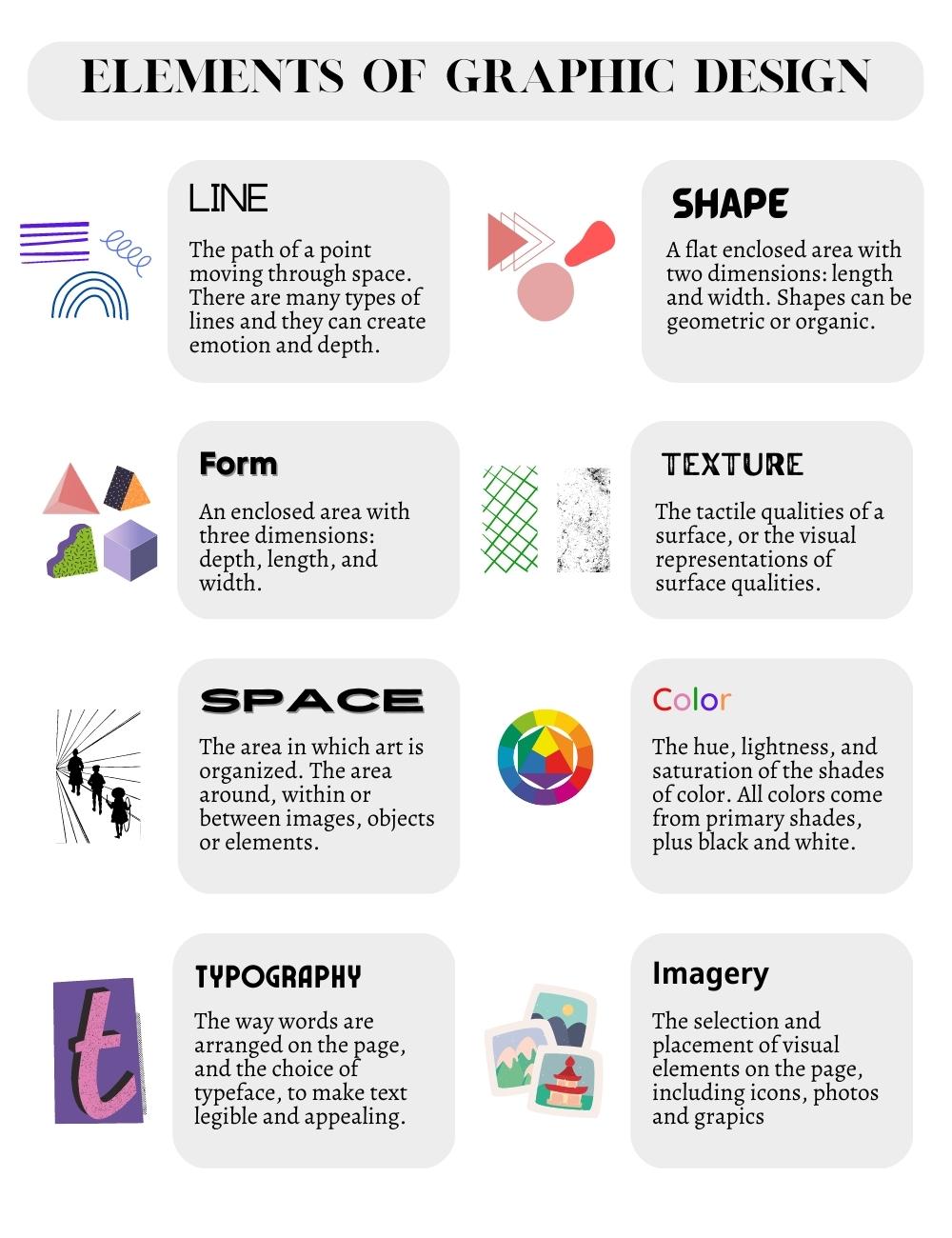
- Typography: The choice of fonts, their size, leading (line spacing), and kerning (space between characters) significantly impacts readability and the overall mood of your magazine. Templates often suggest font pairings for headlines, subheadings, and body text, offering a starting point for your typographic choices.
- Imagery Placement: How you integrate photographs, illustrations, and graphics is paramount. Templates provide guidelines for image cropping, scaling, and placement, ensuring they enhance, rather than detract from, your content. This includes considerations for full-page spreads, smaller inset images, and creative image collages.
- White Space (Negative Space): Often overlooked, white space is the breathing room of your design. It allows elements to stand out, improves readability, and creates a sense of elegance and sophistication. Templates are designed with intentional white space to prevent visual clutter.
- Headers and Footers: These elements typically contain page numbers, publication titles, section names, and other navigational cues. Templates provide consistent placement and styling for these essential components.
- Pull Quotes and Sidebars: These design elements break up large blocks of text and highlight key information. Templates often include designated areas for pull quotes and sidebars, making it easy to incorporate them effectively.
H3: Popular Types of Design Layout Templates for Magazines
The world of design layout templates for magazines is vast and varied, catering to every conceivable genre and Fashion magazine based in new york crossword a thrilling challenge for style aficionados aesthetic. Here are some of the most popular types you’ll encounter:
H4: Grid-Based Templates
These are the workhorses of magazine design, relying on a structured grid system to organize content. They offer a clean, organized, and highly readable foundation.
- Modular Grids: These are highly flexible and allow for the creation of diverse layouts within a consistent framework. They are excellent for magazines with a lot of varied content, such as news magazines or lifestyle publications.
- Columnar Grids: These are simpler and more traditional, focusing on dividing the page into a set number of columns. They are ideal for publications where readability is paramount, like academic journals or literary magazines.
H4: Editorial Templates
These templates are designed with a strong emphasis on storytelling and visual hierarchy, often featuring bold typography and dynamic image placement.
- Feature Article Templates: These are typically more elaborate, designed to showcase long-form content with engaging visuals. They often include space for large hero images, multiple image placements, and distinct typographic treatments for headings and subheadings.
- Regular Section Templates: These are for recurring sections like news briefs, opinion pieces, or product reviews. They are usually more streamlined and consistent to maintain brand recognition.
H4: Minimalist Templates
Characterized by clean lines, ample white space, and a focus on essential elements, minimalist templates exude sophistication and elegance.
- Typography-Focused Templates: These templates prioritize strong typographic treatments, using font choices and sizes to create visual interest and guide the reader’s eye.
- Image-Centric Templates: Here, large, impactful photographs take center stage, with text carefully integrated to complement the visuals.
H4: Themed or Genre-Specific Templates
Many templates are designed with particular magazine genres in mind, incorporating visual cues and layouts that Printed shirts fashion your vibrant wardrobe upgrade resonate with specific audiences.
- Fashion Magazine Templates: Often feature glamorous photography, bold headlines, and a sense of luxury.
- Travel Magazine Templates: Tend to showcase stunning landscapes and vibrant imagery, with layouts that evoke a sense of adventure.
- Food Magazine Templates: Emphasize mouth-watering photography and clear, easy-to-follow recipe layouts.
- Technology Magazine Templates: Might incorporate sleek, modern aesthetics, infographics, and clear data visualization.
The Essential Steps to Mastering Design Layout Templates for Magazines
Simply downloading a template is only the first step. To truly unlock its potential and create a magazine that stands out, you need a strategic approach.
H3: Choosing the Right Template for Your Publication
This is a crucial decision that will influence the entire look and feel of your magazine. Consider these factors:
- Your Magazine’s Content and Genre: Does the template’s style align with the type of articles you publish? A template designed for a high-fashion magazine won’t suit a historical journal.
- Your Target Audience: Who are you trying to reach? Consider their aesthetic preferences and what kind of visual experience will resonate with them.
- Your Brand Identity: Does the template allow you to incorporate your existing logo, color palette, and overall brand personality?
- Ease of Customization: How much flexibility does the template offer? Can you easily adjust fonts, colors, image placeholders, and spacing to make it your own?
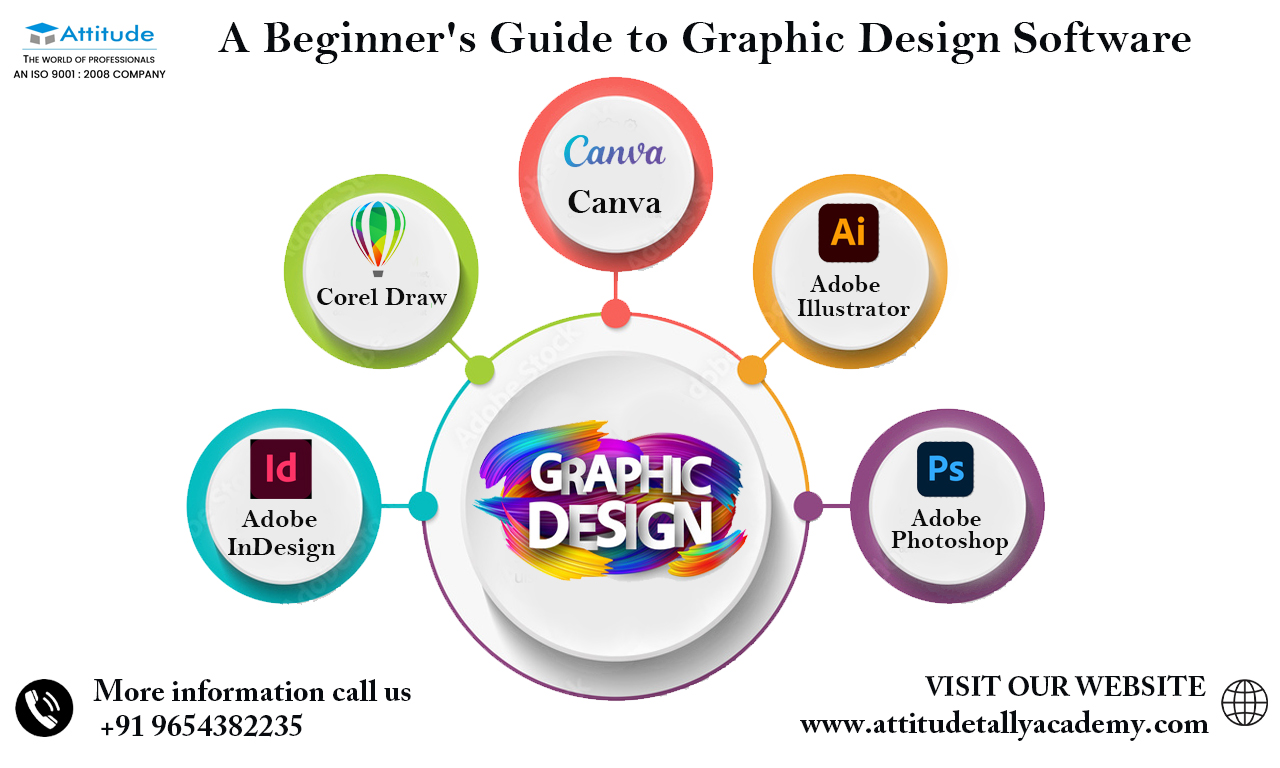
- Software Compatibility: Ensure the template is compatible with the design software you use (e.g., Adobe InDesign, Affinity Publisher, Canva).
H3: Customizing Your Chosen Template: Making it Uniquely Yours
Once you’ve selected a template, the real creative work begins. Customization is key to transforming a generic design into a publication that reflects your unique vision.
- Typography Tweaks: While templates often suggest fonts, don’t be afraid to experiment. Choose fonts that are legible and convey the right tone. Ensure consistent application of font styles for headlines, subheadings, and body text.
- Color Palette Integration: Adapt the template’s colors to match your brand guidelines. Use color strategically to highlight important information, create visual interest, and evoke specific emotions.
- Image Selection and Placement: This is where your content truly comes alive. Select high-quality images that are relevant and engaging. Experiment with different cropping and scaling techniques to create dynamic layouts. Don’t be afraid to break the mold of the template’s placeholder images.
- Content Flow and Hierarchy: Use the template’s structure as a guide, but always prioritize the logical flow of information for your readers. Ensure that headlines are prominent, subheadings break up text effectively, and important details are easily discoverable.
- Adding Your Unique Elements: Incorporate custom graphics, illustrations, or decorative elements that align with your brand and content. This could include unique borders, icons, or background textures.
H3: Best Practices for Effective Magazine Layout Design
Beyond the template itself, adhering to fundamental design principles will ensure your magazine is a joy to read.
- Readability is King: Always prioritize how easy it is for your readers to consume your content. Ensure sufficient font size, comfortable line spacing, and well-defined margins.
- Visual Hierarchy Matters: Guide the reader’s eye through the page by making the most important elements (headlines, key images) the most prominent.
- Consistency is Crucial: Maintain a consistent visual language throughout your magazine. This includes typography, color usage, spacing, and the placement of recurring elements.
- Embrace White Space: Don’t be afraid of empty space. It’s a powerful design tool that improves readability, reduces visual clutter, and adds a touch of sophistication.
- Proofread Meticulously: Typos and grammatical errors can undermine even the most beautiful design. Always proofread your content and your layout carefully before publication.
- Consider the Printing Process: If you’re printing your magazine, be aware of bleed areas, trim lines, and color profiles to ensure a professional print outcome.
The Future of Design Layout Templates for Magazines: Digital and Interactive
While traditional print magazines remain a beloved medium, the rise of digital platforms has opened up new avenues for design layout templates for magazines.
- Interactive Digital Templates: These templates go beyond static layouts, incorporating elements like embedded videos, clickable links, animated graphics, and audio. They offer a more dynamic and engaging reading experience for online publications.
- Responsive Design: For digital magazines, ensuring your layout adapts seamlessly to different screen sizes (desktops, tablets, smartphones) is paramount. Responsive templates are designed with this in mind.
- Cross-Platform Compatibility: Many digital templates are designed to be easily published across various platforms, from dedicated magazine apps to web-based readers.
Frequently Asked Questions About Design Layout Templates for Magazines
Q1: What is the best software for using magazine layout templates?
The most popular and professional software for magazine layout design is Adobe InDesign. Other excellent options include Affinity Publisher and Canva (which offers a wide range of user-friendly templates).
Q2: Can I find free design layout templates for magazines?
Yes, absolutely! Many websites offer free templates, though they might be more basic. Websites like Canva, Freepik, and various design blogs often have free resources. Paid templates generally offer more advanced features and customization options.
Q3: How much customization should I do to a template?
You should customize your template enough to make it uniquely yours and align with your brand identity. This includes adjusting fonts, colors, image placements, and potentially adding custom graphic elements. However, it’s also important to retain the core structure and readability that the template provides.
Q4: What’s the difference between a template and a style guide?
A design layout template for magazines is a pre-designed structure for your pages. A style guide is a document that outlines your brand’s visual and editorial guidelines, including typography, color palettes, tone of voice, and image usage. You’ll use your style guide to inform your customization of the template.
Q5: How do I ensure my magazine looks professional if I’m not a designer?
Using high-quality design layout templates for magazines is a fantastic starting point. Focus on using clear, readable fonts, high-resolution images, and ample white space. Proofread meticulously, and consider getting feedback from others before publishing.
Conclusion: Embrace the Power of Templates for Your Magazine’s Success
In the competitive landscape of publishing, a visually appealing and well-organized magazine is no longer a luxury; it’s a necessity. Design layout templates for magazines offer a powerful, accessible, and inspiring solution for creators of all levels. They empower you to bypass the initial design hurdles, focus on crafting compelling content, and ultimately, produce a publication that captivates your audience and achieves your publishing goals.
So, dive in, explore the incredible variety of templates available, and let your creativity soar. With the right foundation, your magazine can become a masterpiece that readers eagerly anticipate issue after issue.
What are your favorite types of magazine layouts? Share your thoughts and experiences in the comments below! And if you found this article helpful, please share it with fellow creators who are embarking on their magazine publishing journey!