The Astonishing Power of the Film Magazine Front Cover
The film magazine front cover is more than just a gateway to a world of cinematic wonder; it’s a powerful visual statement, a carefully crafted invitation that can spark joy, ignite curiosity, and ultimately, drive a reader to delve into the heart of a film or the minds behind it. In the bustling marketplace of media, where attention spans are fleeting and competition is fierce, the film magazine front cover stands as a crucial first impression, a silent ambassador for the stories and stars within. It’s the initial spark that ignites our passion for the silver screen, a vibrant tapestry that promises an immersive journey into the art of filmmaking.
This iconic piece of graphic design plays a pivotal role in shaping our perception of a film, a director, or an actor. It’s a billboard for anticipation, a tantalizing glimpse that can either draw us in with irresistible allure or leave us feeling a pang of disappointment if it fails to capture the essence of its subject. The astonishing impact of a well-executed film magazine front cover is undeniable, capable of turning a casual browser into an eager reader and a passive viewer into an enthusiastic fan.
The Art of the First Impression: What Makes a Film Magazine Front Cover Shine?
The magic of a film magazine front cover lies in its ability to communicate a wealth of information and emotion in a single, impactful image. It’s a delicate balancing act, requiring a deep understanding of visual storytelling, audience psychology, and the current trends in the film industry. Let’s explore the key elements that contribute to a truly captivating film magazine front cover.
Iconic Imagery: The Star Power and the Scene Stealers
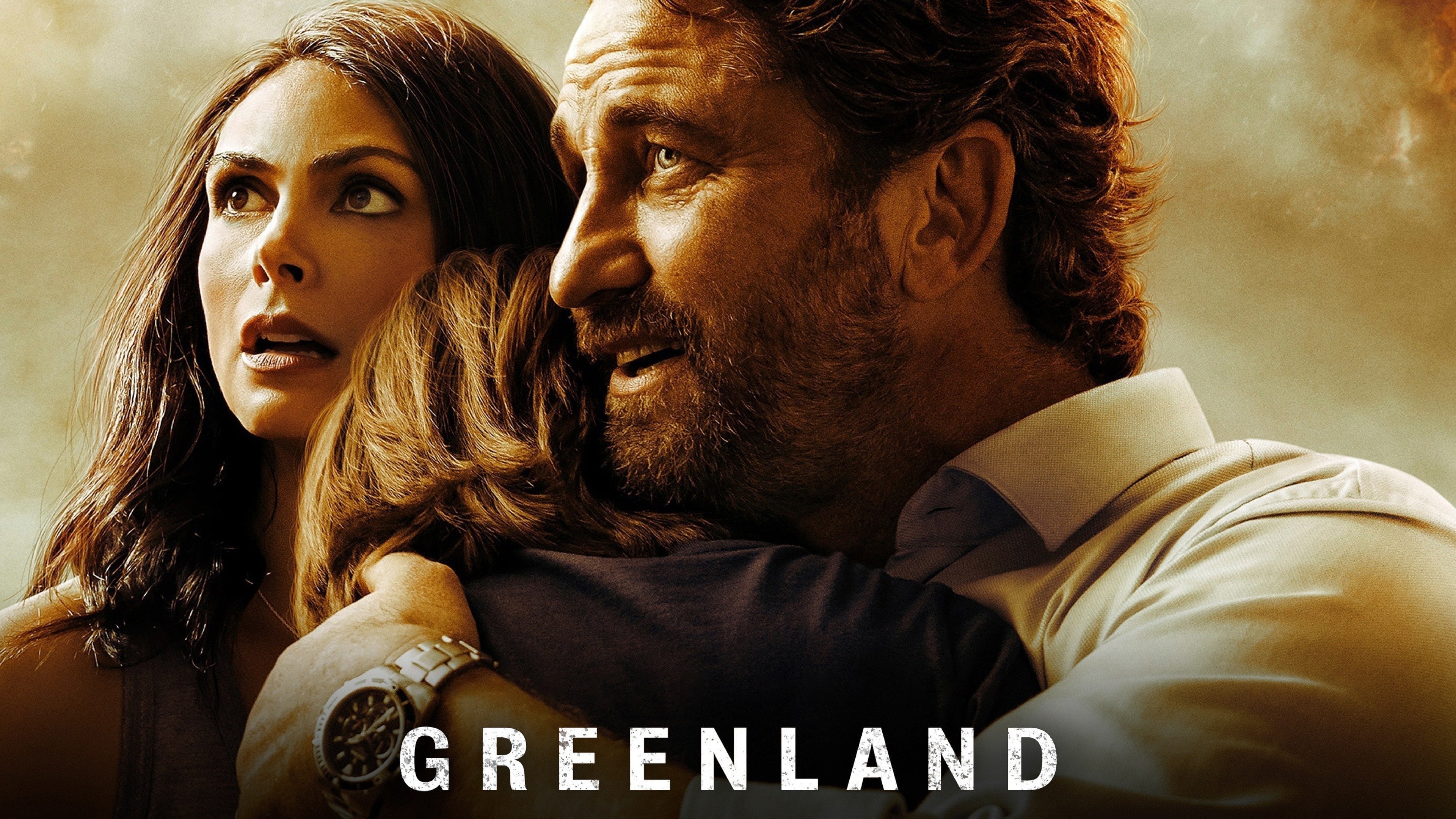
At the heart of most successful film magazine front covers lies a compelling image. This is often a striking portrait of a leading actor or actress, their gaze directly engaging the reader, conveying charisma, intensity, or vulnerability. Think of the classic close-ups of Hollywood legends, their faces etched with the stories they’ve brought to life.
Beyond individual stars, the front cover can also showcase a pivotal scene, a moment of high drama, thrilling action, or profound emotion that encapsulates the film’s core narrative. This visual cue acts as a promise of the cinematic experience awaiting within the pages. The choice of image is paramount; it must be high-quality, visually arresting, and relevant to the film’s genre and tone.
Typographic Triumph: Font, Size, and Placement
The typography on a film magazine front cover is as crucial as the imagery. The title of the magazine itself, along with the featured film title and any prominent headlines, must be legible, stylish, and complementary to the visual.
- Font Choice: The font style can evoke different moods. Bold, sans-serif fonts often convey modernity and action, while elegant serifs might suggest classic cinema or drama.
- Size and Hierarchy: The most important elements – the magazine title and the featured film – are typically the largest and most prominent. This creates a visual hierarchy that guides the reader’s eye.
- Placement: The strategic placement of text ensures it doesn’t overpower the image but rather enhances it. Overlapping elements or clever integration can create a dynamic and engaging design.
Color Palette: Setting the Mood and Tone
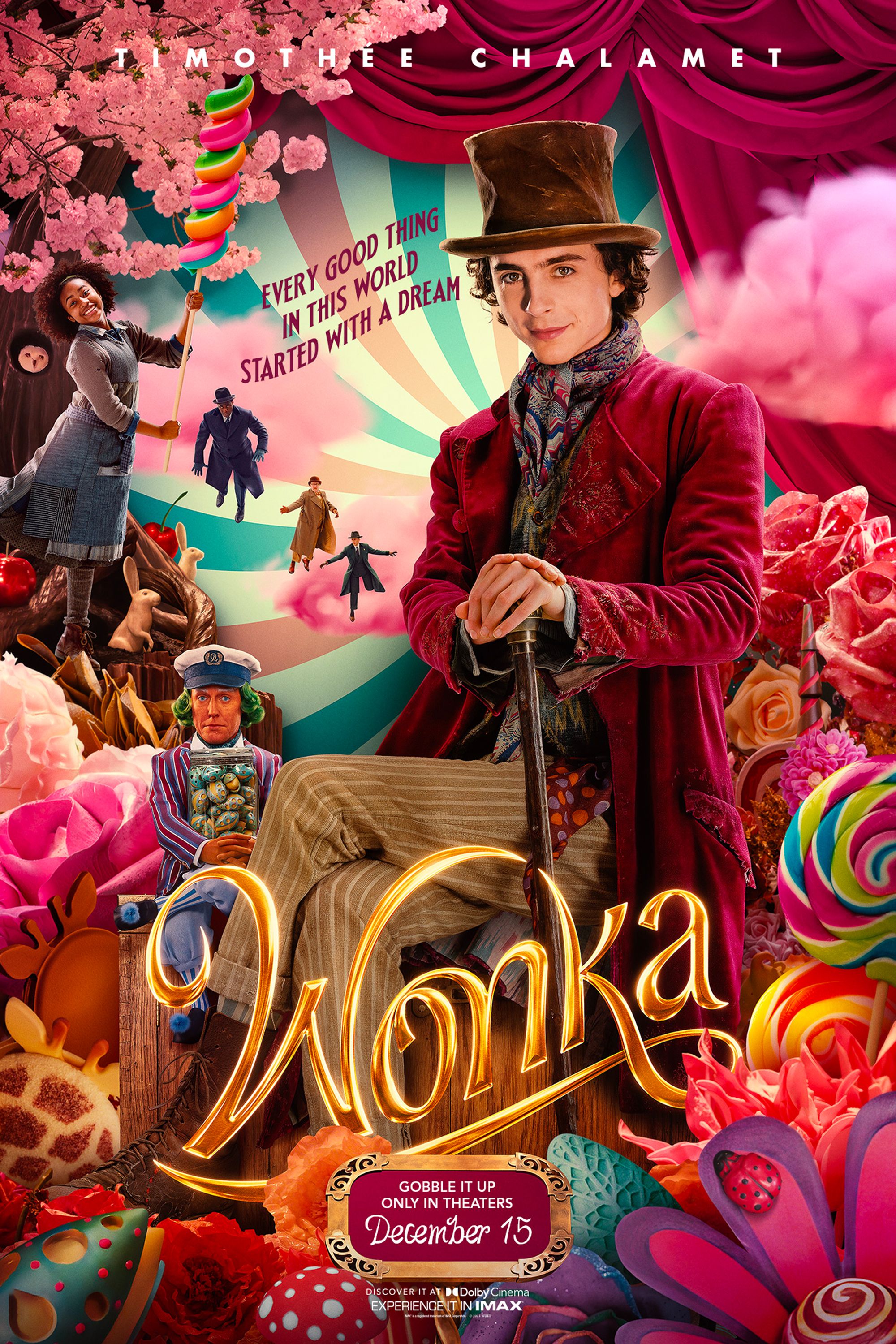
The colors used on a film magazine front cover are powerful mood-setters. A vibrant, saturated palette might signal a blockbuster action film or a joyous musical, while muted tones or stark contrasts could indicate a gritty thriller or a thought-provoking drama. The color scheme can also reflect the film’s setting or its thematic concerns.
The Headline: A Hook for Deeper Engagement
While the image draws the eye, the headline is what often compels a reader to pick up the magazine. A well-crafted headline is concise, intriguing, and promises exclusive insights, interviews, or analysis. It might pose Fashion magazine cover page ideas unleash your inner visionary a question, offer a bold statement, or hint at a fascinating revelation about the film or its creators.
The Spectrum of Sentiment: Positive and Negative Impacts of Film Magazine Front Covers
The film magazine front cover, in its quest to capture attention, can evoke a wide range of sentiments, both positive and, at times, less than ideal. Understanding these can offer valuable insights into the power of visual communication in the film world.
The Joyful Invitation: Evoking Excitement and Anticipation
A joyful film magazine front cover is a masterclass in building excitement. It’s the kind of cover that makes you smile, that instantly transports you to the world of the film, and leaves you buzzing with anticipation. These covers often feature:
- Radiant Stars: Actors exuding happiness, confidence, or charm.
- Vibrant Colors: Bright, optimistic hues that reflect the film’s uplifting themes.
- Dynamic Compositions: Images that suggest movement, energy, and fun.
- Intriguing Headlines: Phrases that promise delightful discoveries and a thoroughly enjoyable read.
These covers are designed to make you feel good, to remind you of the escapism and pure entertainment that cinema offers. They are a promise of a positive experience, both on screen and within the pages of the magazine.
The Cautionary Tale: When a Film Magazine Front Cover Misses the Mark
Conversely, a poorly executed or misleading film magazine front cover can leave a reader feeling disappointed, confused, or even misled. This can happen for several reasons:
- Generic Imagery: A cover that lacks originality and fails to stand out from the crowd.
- Misrepresenting the Film: An image or headline that suggests a genre or tone that the film doesn’t deliver.
- Poor Design Quality: Low-resolution images, clashing fonts, or an unappealing color scheme.
- Lack of Focus: Too much information or a muddled visual message.
When a film magazine front cover fails to connect, it can lead to a negative perception of both the magazine and the film it’s promoting. It’s a missed opportunity to engage an audience and can, unfortunately, lead to a sense of disappointment.
LSI Keywords and Related Terms: Deepening the Cinematic Conversation
To truly optimize for search engines and provide comprehensive information, it’s essential to weave in related terms that users might search for when exploring the world of film magazines. These LSI (Latent Semantic Indexing) keywords help establish the article’s authority and relevance.
- Film Poster Design: The close relationship between film magazine covers and theatrical posters is undeniable.
- Movie Magazine Layout: Understanding the internal structure and design principles of these publications.
- Cinematic Journalism: The art of writing about film, often showcased through these covers.
- Cover Story: The main feature article that the front cover is designed to promote.
- Visual Storytelling: The fundamental principle behind effective front cover design.
- Film Criticism: How front covers can reflect or influence critical reception.
- Hollywood Glossies: A common term for popular film magazines.
- Entertainment Weekly Cover: A specific example of a well-known film magazine.
- Empire Magazine Cover: Another prominent example in the genre.
- Front Page Design: A broader term applicable to any publication.
- Editorial Design: The overall aesthetic and planning of a magazine’s content.
- Graphic Design for Film: The specialized field of visual communication for the movie industry.
- Film Marketing: How front covers contribute to promoting films.
- Audience Engagement: The primary goal of a compelling cover.
- Visual Appeal: The subjective but crucial aspect of attractiveness.
- Editorial Photography: The professional photography used for magazine spreads.
- Celebrity Portraits: A common subject for film magazine covers.
- Blockbuster Promotion: How major film releases are advertised.
- Indie Film Coverage: How smaller, independent films are presented.
- Film Festival Buzz: How covers can capture the excitement of festivals.
The Evolution of the Film Magazine Front Cover: From Print to Pixels
The film magazine front cover has undergone a significant transformation throughout its history, mirroring the evolution of both the film industry and media consumption.
The Golden Age of Print: Bold and Beautiful
In the heyday of print magazines, the film magazine front cover was a true work of art. Without the immediacy of digital media, these covers had to be incredibly impactful to capture a reader’s attention on newsstands. This era saw the rise of iconic illustrators and photographers who crafted visually stunning covers that are still celebrated today. The emphasis was on creating a tangible object of desire, a collector’s item that celebrated the magic of cinema.
The Digital Dawn: Adapting to a New Landscape
With the advent of the internet and digital publications, the role of the traditional film magazine front cover began to shift. While print still holds its charm, many magazines now have digital editions, and their front covers are adapted for online platforms. This means considering how a cover will look as a thumbnail, how it will perform on social media, and how it can incorporate interactive elements.
The Social Media Splash: Virality and Shareability
Today, a successful film magazine front cover often needs to be shareable. It needs to be visually striking enough to grab attention in a crowded social media feed. This has led to a greater emphasis on bold graphics, provocative imagery, and catchy headlines that encourage likes, shares, and comments. The digital front cover is no longer just an advertisement; it’s a piece of content designed to go viral.
Behind the Scenes: The Collaborative Effort
Creating a phenomenal film magazine front cover is a collaborative endeavor involving a dedicated team of professionals.
The Editor’s Vision: Guiding the Narrative
The magazine editor plays a crucial role in conceptualizing the cover story and guiding the overall vision. They decide which film, actor, or director will be featured and what angle the story will take.
The Art Director’s Touch: Crafting the Visuals
The art director is responsible for translating the editorial vision into a compelling visual. They work with photographers, graphic designers, and stylists to create the perfect image and layout.
The Photographer’s Lens: Capturing the Essence
A skilled photographer is essential for capturing the perfect shot. They need to understand how to work with their subjects, create the right mood, and ensure the image is technically perfect.
The Graphic Designer’s Skill: Bringing It All Together
The graphic designer is the one who assembles all the Design layout templates for magazines unlock your creative potential elements – the image, the typography, and any other graphic elements – into a cohesive and visually appealing whole. Their understanding of layout, color theory, and typography is paramount.
The Future of the Film Magazine Front Cover: Innovation and Immersion
As technology continues to advance, the film magazine front cover will undoubtedly continue to evolve. We might see more augmented reality elements, interactive features, or even personalized covers generated by AI. However, one thing remains constant: the fundamental need to capture the imagination and celebrate the enduring power of cinema. The film magazine front cover, in its many forms, will continue to be a vital tool for sparking conversation, igniting passion, and reminding us why we fell in love with movies in the first place. It’s a testament to the enduring allure of storytelling and the visual artistry that brings those stories to life.
Frequently Asked Questions About Film Magazine Front Covers
Q1: What is the primary purpose of a film magazine front cover?
A1: The primary purpose is to attract readers, showcase the magazine’s featured content (often a film or celebrity), and convey the magazine’s overall tone and style.
Q2: What makes a film magazine front cover "SEO-optimized"?
A2: An SEO-optimized film magazine front cover article would strategically include relevant keywords like "film magazine front cover" naturally throughout the text, use descriptive headings, and provide valuable, informative content that users are searching for.
Q3: How important is the image on a film magazine front cover?
A3: The image is arguably the most crucial element. It’s the first thing a potential reader sees and must be visually striking, relevant to the content, and capable of evoking emotion or curiosity.
Q4: Can a film magazine front cover have a negative impact?
A4: Yes, a poorly designed or misleading cover can create a negative impression, fail to attract readers, or even disappoint them if it doesn’t accurately represent the film or magazine’s content.
Q5: What are some LSI keywords related to film magazine front covers?
A5: LSI keywords include "movie poster design," "cinematic journalism," "cover story," "visual storytelling," "Hollywood glossies," and "film marketing."
Q6: How has the film magazine front cover evolved over time?
A6: It has evolved from the bold, illustrative styles of print’s golden age to more digitally adapted and socially shareable designs for online platforms, incorporating new technologies and trends.