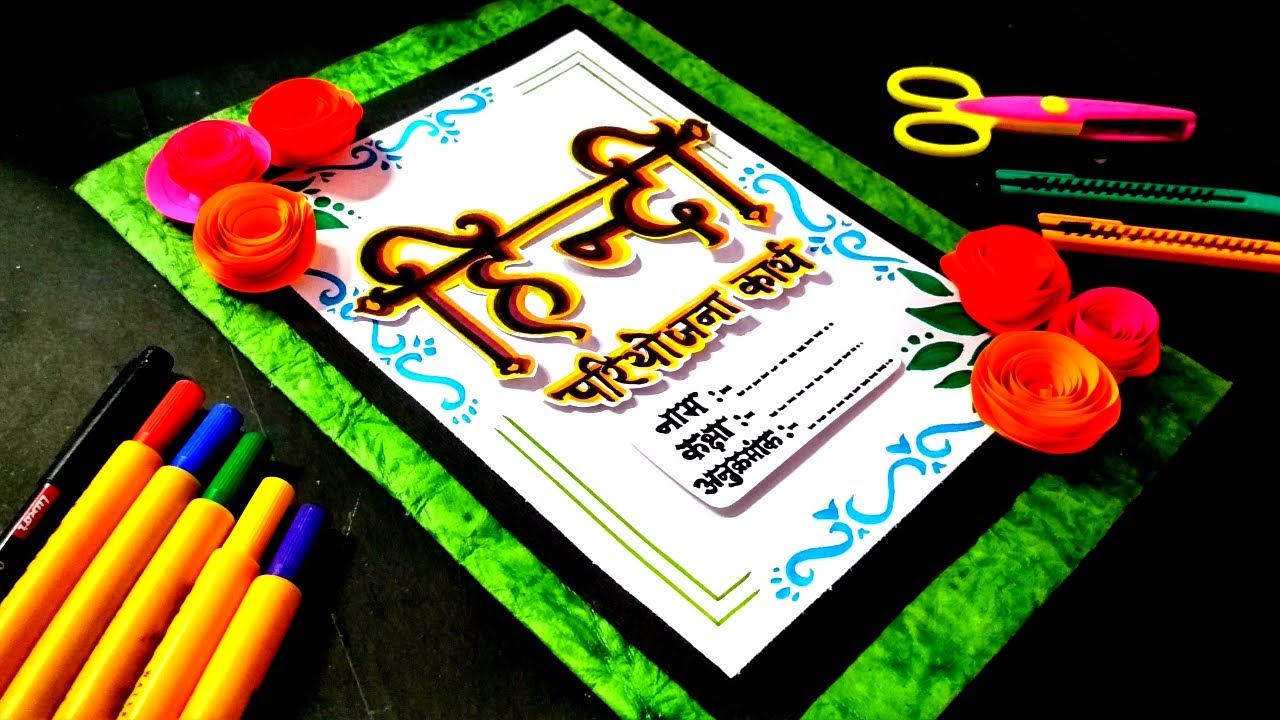
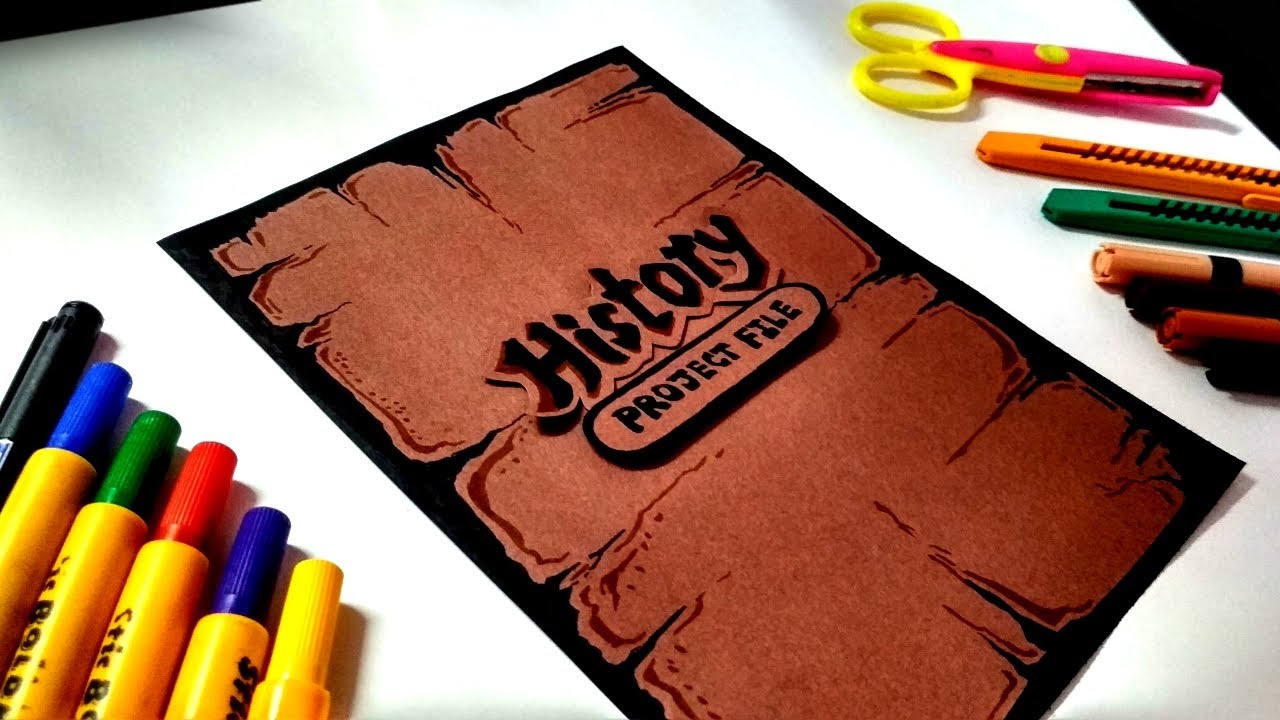
The Art and Science of Front Page Cover Design: Making Your Content Shine
In the bustling marketplace of ideas, where attention spans are fleeting and competition is fierce, the first impression is everything. And when it comes to showcasing your content, whether it’s a compelling article, a captivating report, a stunning magazine, or an engaging e-book, the front page cover design is your undisputed champion. It’s the silent salesperson, the initial handshake, the tantalizing invitation that beckons your audience to dive deeper. A truly remarkable front page cover design doesn’t just present information; it evokes emotion, sparks curiosity, and instantly communicates value. Conversely, a poorly executed cover can be a death knell, sending potential readers scurrying for more appealing alternatives. This is where the magic of thoughtful design truly shines, transforming a simple piece of content into an irresistible proposition.
The importance of a stellar front page cover design cannot be overstated. It’s the visual anchor that grounds your entire project, setting the tone and expectations for what lies within. Think of it as the brightly lit storefront of a charming boutique – it needs to be inviting, intriguing, and reflective of the treasures hidden inside. This article will delve deep into the essential elements of creating a powerful front page cover design, exploring the strategies, principles, and creative considerations that elevate a good cover to a truly unforgettable one. We’ll uncover how to harness the power of visual storytelling, typography, color, and imagery to craft a design that not only attracts but also resonates with your target audience, ensuring your content gets the attention it deserves.
The Crucial Role of Front Page Cover Design in Audience Engagement
Before we even consider the aesthetics, it’s vital to understand why front page cover design is so critical. In a world saturated with digital and print media, a compelling cover acts as a powerful filter. It’s the initial hurdle that content must clear to even be considered.
- Capturing Attention in a Crowded Space: Imagine scrolling through a social media feed or browsing a bookstore shelf. What makes you pause? More often than not, it’s a visually striking front page cover design. It needs to stand out from the noise, grab the viewer’s eye, and demand a second look. This initial visual hook is paramount.
- Communicating Core Message and Tone: A well-designed cover should instantly convey the essence of your content. Is it serious and academic? Lighthearted and fun? Inspirational and empowering? The choice of imagery, typography, and color palette all contribute to this unspoken communication, guiding the reader’s expectations. A front page cover design that misrepresents the content can lead to disappointment and distrust.
- Building Credibility and Professionalism: A polished and professional front page cover design signals that you take your content seriously. It suggests attention to detail and a commitment to quality, which in turn builds trust with your audience. Conversely, a sloppy or amateurish cover can undermine even the most brilliant content.
- Driving Clicks and Conversions: For digital content, the front page cover design directly impacts click-through rates. For e-books, reports, or online courses, it’s the primary driver of downloads and purchases. A compelling cover can be the difference between a potential customer clicking away and them engaging with your offering.
Essential Elements of a Winning Front Page Cover Design
Crafting an effective front page cover design is a multi-faceted process that involves balancing artistic flair with strategic thinking. Here are the key components to consider:
1. The Power of Imagery: Visual Storytelling at its Finest
The image you choose for your front page cover design is arguably the most impactful element. It’s the visual hook that draws people in.
- Relevance is Key: The image must directly relate to the subject matter of your content. A cover featuring a serene beach scene for an article on stock market analysis would be jarring and confusing. Ensure your imagery is evocative and accurately represents what’s inside.
- High Quality and Impact: Blurry, pixelated, or generic stock photos will detract from your front page cover design. Invest in high-resolution, professional imagery that is visually arresting. Consider custom photography or carefully curated stock images that feel authentic and engaging.
- Emotional Resonance: Images that evoke emotion are far more memorable. Whether it’s joy, curiosity, intrigue, or even a touch of drama, the right image can create an instant connection with your audience. Think about the feelings you want your front page cover design to inspire.
- Composition and Focus: The arrangement of elements within the image is crucial. A strong focal point will guide the viewer’s eye. Avoid cluttered or distracting backgrounds that can detract from the main subject. The composition should be clean and intentional, enhancing the overall impact of your front page cover design.
- Originality and Uniqueness: While stock photos can be useful, consider how you can make your front page cover design stand out. Unique illustrations, custom graphics, or even a bold abstract design can offer a fresh perspective and make your content more memorable.
2. Typography: The Voice of Your Cover
The fonts you select for your front page cover design are more than just letters; they are carriers of personality and tone.
- Readability is Paramount: No matter how beautiful a font is, if your title and author name are difficult to read, your front page cover design will fail. Choose fonts that are clear and legible at various sizes.
- Font Pairing for Harmony: Often, using more than one font is necessary for a front page cover design. However, these fonts should complement each other. A common approach is to pair a bold, attention-grabbing font for the title with a simpler, more readable font for subtitles or author names.
- Font Choice Reflects Tone: A serif font can convey tradition, authority, and elegance, while a sans-serif font often communicates modernity, simplicity, and directness. Script fonts can add a touch of flair or romance. The right font choice is a powerful tool in your front page cover design arsenal.
- Hierarchy and Emphasis: Use font size, weight, and style to create a clear visual hierarchy. The most important information (usually the title) should be the most prominent element in your front page cover design.
- Legibility on Different Backgrounds: Ensure your chosen fonts have enough contrast against the background image or color to remain easily readable. This is a critical consideration for any front page cover design.
3. Color Palette: Setting the Mood and Evoking Emotion
Color is a powerful psychological tool, and its strategic use in your front page cover design can significantly influence how your content is perceived.
- Color Psychology: Different colors evoke different emotions and associations. Red can signify passion or urgency, blue can suggest trust and calmness, green can represent nature or growth, and yellow can convey optimism and energy. Understand these associations when developing your front page cover design.
- Brand Consistency: If your content is part of a larger brand, ensure the color palette aligns with your existing brand guidelines. This creates a cohesive and recognizable identity for your front page cover design.
- Contrast and Harmony: Use color to create visual interest and ensure important elements stand out. Contrasting colors can draw attention, while harmonious colors can create a sense of balance and unity in your front page cover design.
- Accessibility: Consider color blindness and ensure sufficient contrast for all viewers. This is an often-overlooked aspect of front page cover design that can significantly impact your audience.
- Trend Awareness: While timeless design principles are crucial, staying aware of current color trends can help your front page cover design feel fresh and relevant.
4. Layout and Composition: The Architecture of Your Cover
The arrangement of all the elements on your front page cover design is as important as the elements themselves.
- Balance and Symmetry: A well-balanced layout creates a sense of order and professionalism. This doesn’t always mean perfect symmetry; asymmetrical balance can also be very effective in a front page cover design.
- White Space (Negative Space): Don’t be afraid of empty space! White space, or negative space, is crucial for allowing elements to breathe and preventing your front page cover design from looking cluttered. It helps to guide the viewer’s eye and emphasizes key elements.
- Focal Point: Every effective front page cover design has a clear focal point – the element that immediately grabs attention. This could be an image, a bold title, or a striking graphic.
- Flow and Readability: The layout should guide the viewer’s eye through the information in a logical sequence. This ensures that your title, author, and any other essential text are easily digestible within your front page cover design.
- Grid Systems: For a more structured and professional look, consider using a grid system to align your elements. This can greatly enhance the visual appeal of your front page cover design.
Crafting a Front Page Cover Design for Different Content Types
The principles of effective front page cover Female jeans dress korean unleash your inner style icon design remain consistent, but the execution can vary depending on the type of content you are presenting.
Magazines and Periodicals: The Art of the Tease
A magazine cover is a masterclass in front page cover design. It needs to be eye-catching, informative, and enticing enough to make someone pick it up.
- Strong Hero Image: Typically features a captivating photograph of the cover story subject or a visually striking representation of the magazine’s theme.
- Bold Title Treatment: The magazine title is usually the most prominent element, often with unique typography.
- Compelling Cover Lines: These are short, punchy headlines that tease the articles within, creating curiosity and encouraging readers to explore further. They are a vital part of the front page cover design.
- Clear Hierarchy: The most important elements (title, hero image, main cover line) are clearly prioritized.
Books (Fiction and Non-Fiction): Setting the Narrative
Book covers are designed to convey genre, mood, and plot without giving too much away.
- Genre-Specific Conventions: A romance novel cover will look very different from a thriller or a historical fiction cover. Understanding genre expectations is crucial for a successful front page cover design.
- Evocative Imagery: Often uses symbolic imagery or atmospheric scenes to hint at the story’s themes and emotions.
- Clear Title and Author Name: These are essential for recognition and discoverability. The typography plays a significant role in the front page cover design.
- Minimalist vs. Detailed: Some book covers opt for a minimalist approach, while others are rich with detail. Both can be effective depending on the book’s subject matter and target audience for the front page cover design.
Reports and White Papers: Authority and Clarity
For professional documents, the front page cover design needs to convey seriousness, expertise, and trustworthiness.
- Clean and Professional Design: Often uses a more restrained color palette and sophisticated typography.
- Clear Title and Sub The title should be descriptive and informative, and a subtitle can provide further context for the front page cover design.
- Company Logo and Branding: Essential for establishing credibility and brand recognition.
- Focus on Data or Key Findings (Optional): Sometimes, a subtle graphic or icon can hint at the report’s core subject matter. The front page cover design should be informative.
E-books and Digital Products: The Clickable Invitation
E-book covers function similarly to book covers but are often viewed at smaller sizes on screens.
- High Impact at Small Sizes: The front page cover design must be clear and legible even when viewed as a thumbnail.
- Strong Visual Hook: Similar to physical books, a compelling image or graphic is essential to grab attention.
- Clear Title and Author: These need to be easily readable on any device.
- Genre Cues: For fiction, clear genre indicators are vital. For non-fiction, the front page cover design should communicate the benefit or solution offered.
Tools and Resources for Creating Your Front Page Cover Design
You don’t need to be a seasoned graphic designer to create a fantastic front page cover design. A wealth of tools Korean style backpack fashion your ultimate guide to effortless chic and resources are available:
- Graphic Design Software:
- Adobe Photoshop & Illustrator: Industry-standard tools offering ultimate creative control.
- Canva: User-friendly, template-driven platform perfect for beginners and quick designs.
- Affinity Designer/Photo: Powerful, more affordable alternatives to Adobe products.
- Stock Photo Websites:
- Unsplash, Pexels, Pixabay: Free, high-quality stock photos.
- Shutterstock, Adobe Stock, Getty Images: Paid platforms with extensive libraries.
- Font Resources:
- Google Fonts: Free, high-quality font library.
- Adobe Fonts: Included with Creative Cloud subscriptions.
- MyFonts, Fontspring: Paid marketplaces for premium fonts.
- Color Palette Generators:
- Coolors.co, Adobe Color: Tools to help you create harmonious color schemes.
Common Pitfalls to Avoid in Front Page Cover Design
Even with the best intentions, certain mistakes can derail your front page cover design.
- Overcrowding: Too many elements, fonts, or colors can make your cover look messy and unprofessional.
- Poor Readability: Illegible fonts or insufficient contrast are immediate turn-offs.
- Generic or Clichéd Imagery: Using overused stock photos or predictable visuals will make your content blend in.
- Misrepresenting the Content: A misleading cover will lead to reader dissatisfaction.
- Ignoring Your Target Audience: The front page cover design should appeal to the people you want to reach.
- Low-Resolution Images: This is an instant credibility killer.
The Future of Front Page Cover Design: Embracing Innovation
As technology evolves, so too will the possibilities for front page cover design. We’re seeing a rise in:
- Interactive Covers: For digital platforms, animated elements or clickable features can enhance engagement.
- Personalized Designs: AI and data can potentially lead to cover variations tailored to individual user preferences.
- Augmented Reality (AR): Imagine a cover that comes to life when viewed through a smartphone.
Regardless of these advancements, the core principles of a compelling front page cover design – clarity, relevance, and emotional appeal – will remain paramount.
Conclusion: Your Front Page Cover Design is Your Content’s First Impression
In the grand theater of content consumption, your front page cover design is the opening act. It’s the crucial first impression that can determine whether your audience pauses to listen or walks on by. By thoughtfully considering imagery, typography, color, and layout, you can craft a cover that not only attracts attention but also communicates the value and essence of your content. Remember, a powerful front page cover design is an investment that pays dividends in engagement, credibility, and ultimately, the success of your message. So, embrace the creative process, experiment with your ideas, and ensure your content’s first impression is truly unforgettable.
Frequently Asked Questions (FAQ) about Front Page Cover Design
Q1: What is the most important element of a front page cover design?
A1: While all elements are important, the imagery often plays the most significant role in capturing initial attention and conveying the essence of the content.
Q2: How do I choose the right fonts for my front page cover design?
A2: Select fonts that are legible, complement each other, and reflect the tone and genre of your content. Consider pairing a bold display font for the title with a simpler font for supporting text.
Q3: Can I use free images for my front page cover design?
A3: Yes, you can use high-quality free stock photos from sites like Unsplash, Pexels, and Pixabay. However, ensure the images are relevant and visually appealing.
Q4: What is "white space" in front page cover design, and why is it important?
A4: White space, or negative space, is the empty area around design elements. It’s crucial for preventing clutter, improving readability, and drawing attention to key components of your front page cover design.
Q5: How can I ensure my front page cover design is effective for digital platforms?
A5: Ensure your design is clear and legible at small sizes (thumbnails), has strong visual impact, and uses colors that pop on screen. The front page cover design must be optimized for digital viewing.
Q6: Should I hire a professional designer for my front page cover design?
A6: For critical projects or if you lack design experience, hiring a professional can be highly beneficial. However, user-friendly tools like Canva make it possible to create effective designs yourself.
Q7: What are some common mistakes to avoid in front page cover design?
A7: Avoid overcrowding, poor readability, generic imagery, misrepresenting content, and ignoring your target audience. A poorly executed front page cover design can be detrimental.