Indian Fashion History Books: Unveiling a Glorious Tapestry
The allure of Indian fashion is undeniable. From the intricate embroidery that adorns royal attire to the vibrant silks that drape every celebration, India’s sartorial journey is a story as rich and multifaceted as its culture itself. For those captivated by this magnificent heritage, Indian fashion history books offer a profound and enlightening exploration. These invaluable resources don’t just present pretty pictures; they weave narratives of tradition, innovation, social change, and artistic evolution, revealing the soul of a nation through its clothing. Whether you’re a seasoned fashion historian, a budding designer, a textile enthusiast, or simply someone who appreciates beauty and craftsmanship, delving into these books is an absolute delight, a truly empowering journey into the heart of Indian aesthetics.
The Enduring Allure of Indian Textiles: A Historical Perspective
India’s relationship with textiles predates recorded history. The very word "textile" has roots in Sanskrit, hinting at the ancient and profound connection. Indian fashion history books consistently highlight this deep-seated heritage, tracing the evolution of techniques, materials, and motifs that have captivated the world for millennia.
Ancient Roots: From Indus Valley to the Gupta Empire
Long before the Mughal emperors and the British Raj, ancient India was a hub of textile production. Archaeological discoveries from the Indus Valley Civilization reveal evidence of cotton cultivation and sophisticated weaving techniques. Indian fashion history books often dedicate chapters to this foundational period, showcasing early examples of draped garments like the dhoti and sari, which continue to be iconic today.
The Gupta Empire, often referred to as India’s "Golden Age," witnessed a flourishing of arts and crafts, including textiles. Fine muslins, intricate brocades, and vibrant natural dyes were hallmarks of this era. Books exploring this period illuminate the social and economic significance of textiles, their use in religious ceremonies, and their role in trade networks that stretched across continents.
The Medieval and Mughal Eras: A Symphony of Opulence
The arrival of various dynasties, particularly the Mughals, ushered in an era of unparalleled opulence and artistic refinement in Indian textiles and fashion. Indian fashion history books vividly describe the introduction of new weaving techniques, the influence of Persian and Central Asian styles, and the patronage of royal courts that fostered incredible innovation.
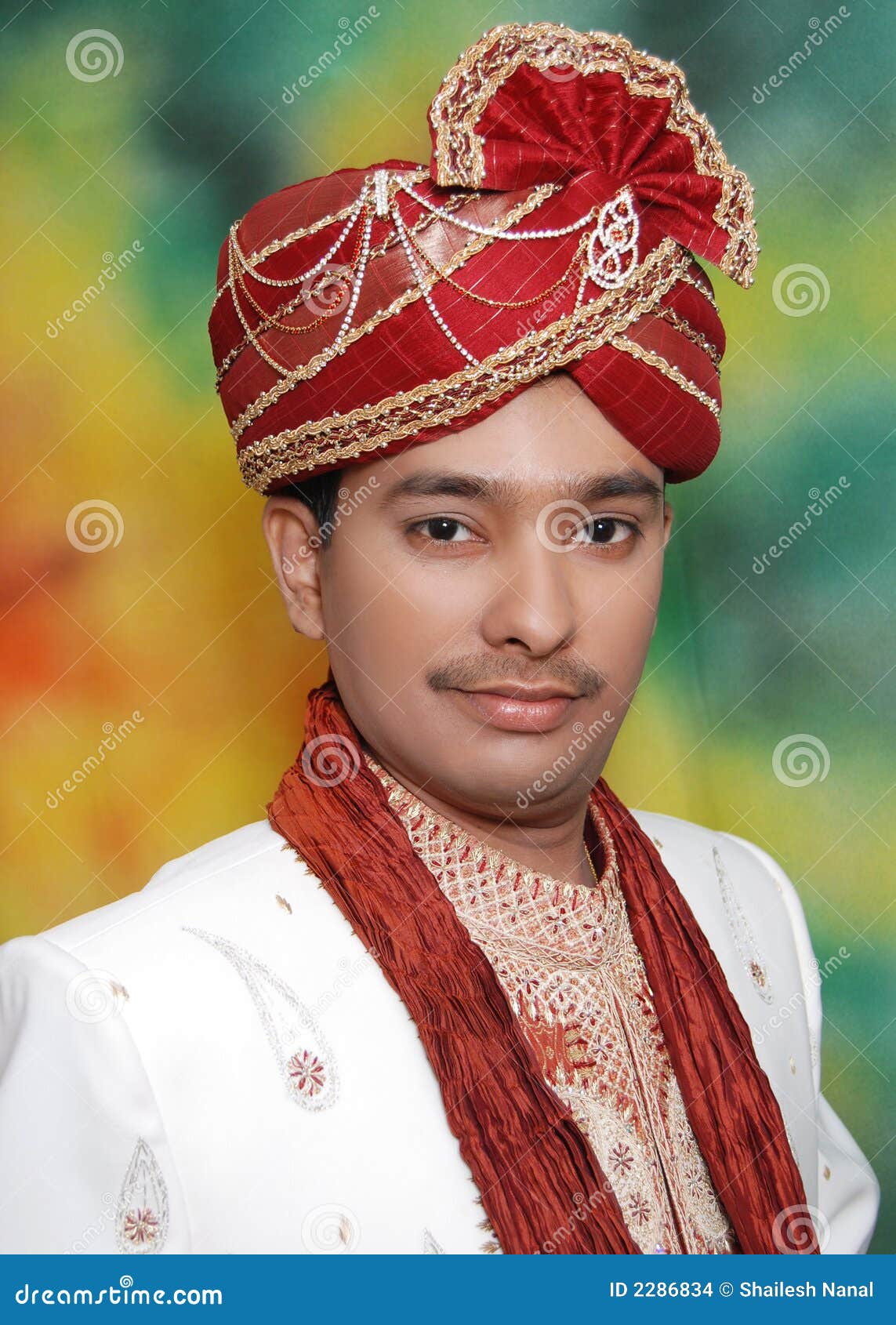
- Mughal Grandeur: The Mughal era is synonymous with exquisite zari (gold and silver thread) embroidery, intricate kalamkari (hand-painted or block-printed textiles), and luxurious silks. Books on this period often feature detailed analyses of the angarkha (a flowing robe), the jama (a fitted tunic), and the elaborate headwear worn by both men and women. The meticulous craftsmanship and the sheer artistry involved are a testament to the skill of Indian artisans.
- Regional Diversification: While the Mughals left an indelible mark, Indian fashion history books also emphasize the rich diversity of textile traditions that flourished across different regions. From the vibrant bandhani (tie-dye) of Gujarat and Rajasthan to the rich Banarasi brocades of Varanasi and the delicate Chikankari embroidery of Lucknow, each region developed its unique aesthetic and techniques, contributing to India’s kaleidoscopic textile landscape.
Colonial Encounters and the Rise of Modern Indian Fashion
The arrival of the British East India Company and subsequent colonial rule brought about significant shifts in Indian fashion. Indian fashion history books explore how this period witnessed both the decline of traditional industries due to economic policies and the emergence of new influences and adaptations.
- Impact of Western Styles: European fashion began to influence Indian attire, leading to hybrid styles and the adoption of Western garments by the elite. However, this period also saw a conscious effort to preserve and promote indigenous crafts as a form of cultural resistance and national identity.
- The Nationalist Movement and Khadi: The Swadeshi movement, advocating for self-reliance and the use of Indian-made goods, saw khadi (hand-spun and hand-woven cloth) become a powerful symbol of Indian nationalism. Indian fashion history books highlight how Mahatma Gandhi’s promotion of khadi transformed a simple fabric into an emblem of freedom and dignity. This era marks a pivotal moment where fashion became intertwined with political and social consciousness.
Key Themes Explored in Indian Fashion History Books
Beyond Fashion magazines online free pdf your ultimate style guide awaits chronological narratives, Indian fashion history books delve into a multitude of fascinating themes that illuminate the depth and breadth of India’s sartorial heritage.
The Art of Embellishment: Embroidery, Dyes, and Weaving Techniques
Embroidery is an art form that has been perfected in India over centuries. Indian fashion history books dedicate significant attention to the diverse embroidery styles, each with its unique history, motifs, and regional variations.
- Zari and Zardozi: The opulent use of gold and silver threads in zari and zardozi embroidery, often seen in royal attire and bridal wear, is a recurring theme. Books explore the intricate techniques, the symbolism of the motifs, and the historical patronage that fueled this craft.
- Kalamkari and Block Printing: The narrative art of kalamkari and the precise beauty of block printing, using natural dyes, are celebrated for their storytelling capabilities and their connection to rural traditions.
- Regional Embroidery Masters: From the mirror work of Gujarat to the intricate floral patterns of Kashmir, Indian fashion history books showcase the distinctiveness of each regional embroidery tradition, often highlighting the artisans who carry these legacies forward.
The Sari: A Timeless Icon of Indian Elegance
The sari is more than just a garment; it’s a cultural icon, a symbol of grace, and a canvas for artistic expression. Indian fashion history books invariably dedicate substantial sections to the evolution and significance of the sari.
- Regional Weaves and Styles: The diversity of sari weaves is astounding. Books explore the unique characteristics of Banarasi, Kanjeevaram, Paithani, Bandhani, Tant, and many other regional saris, detailing their weaving techniques, motifs, and the cultural contexts in which they are worn.
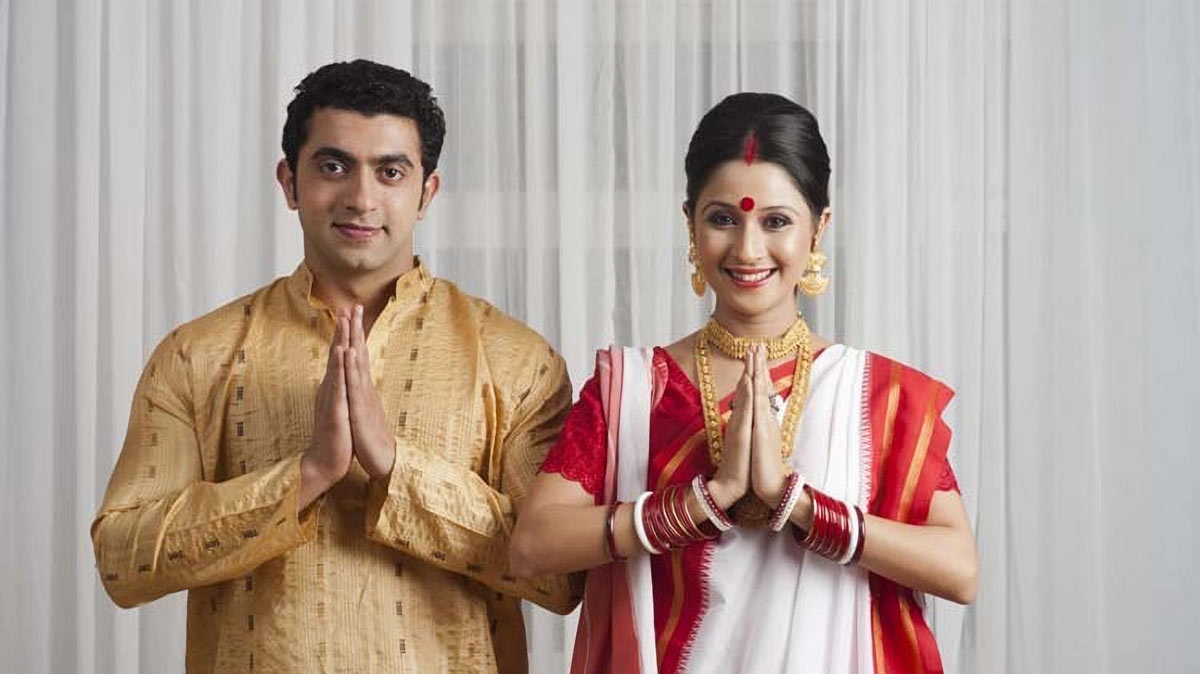
- The Sari as a Social Signifier: Historically, the sari has also served as a social signifier, indicating a woman’s marital status, regional origin, and even her social standing. Indian fashion history books analyze these subtle yet significant cultural cues embedded within the drape and design of the sari.
- Contemporary Interpretations: The sari continues to evolve, with contemporary designers reinterpreting its form and function. Books often touch upon these modern adaptations, showcasing how this ancient garment remains relevant in the 21st century.
Menswear Through the Ages: Beyond the Dhoti
While the sari often takes center stage, Indian fashion history books also provide crucial insights into the evolution of Indian menswear.
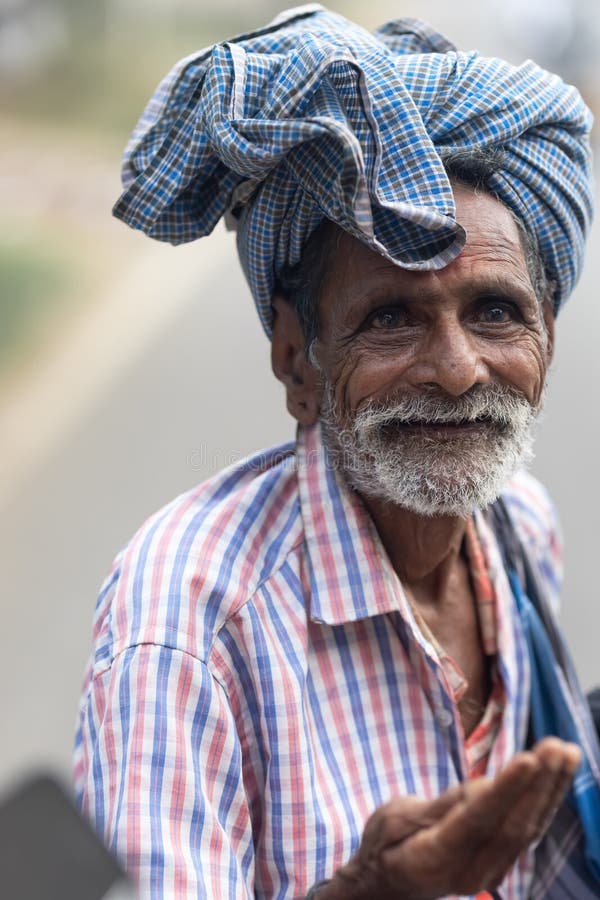
- Draped Garments: The dhoti, a versatile lower garment, has been a staple for centuries. Books discuss its various draping styles and its cultural significance.
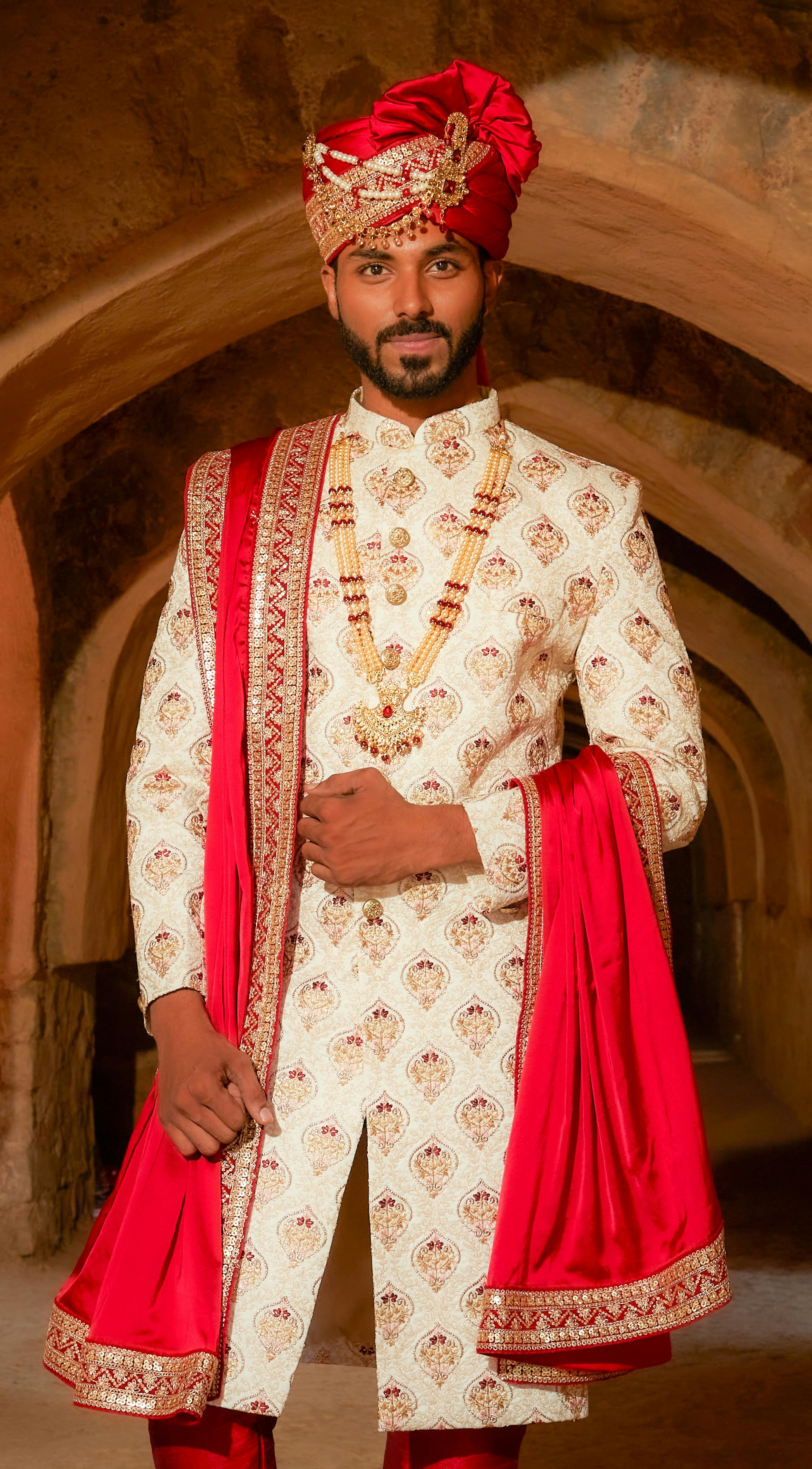
- Tailored Attire: The introduction of tailored garments like the kurta, sherwani, and achkan, particularly during the Mughal and colonial periods, is explored. These garments, often richly embroidered, signify formality and elegance.
- Influence of Western Menswear: The impact of Western suits and tailoring on Indian menswear is also examined, highlighting the blend of traditional and modern influences.
The Influence of Religion, Ritual, and Celebration
Indian fashion is deeply intertwined with religious beliefs, rituals, and celebrations. Indian fashion history books often highlight this connection, showcasing how clothing plays a vital role in expressing devotion, marking auspicious occasions, and reinforcing cultural identity.
- Festive Attire: From the vibrant colors of Diwali to the regal silks of weddings, festive occasions demand specific sartorial expressions. Books illustrate the traditional attire worn during various festivals and ceremonies, emphasizing the symbolism of colors and motifs.
- Religious Garments: Specific garments worn by religious figures or during religious practices are also discussed, underscoring the spiritual dimension of Indian clothing.
Essential Reads for Exploring Indian Fashion History
For anyone eager to embark on this fascinating journey, several seminal Indian fashion history books stand out. These works are meticulously researched, beautifully illustrated, and offer a comprehensive understanding of the subject.
- "The Sari" by Linda Lynton: A classic exploration of the sari, its history, regional variations, and cultural significance.
- "Indian Textiles: 100 Masterpieces" by Rosemarie M. Diefenbach and L.P. Sihare: This visually stunning book showcases exceptional examples of Indian textiles, offering a deep dive into craftsmanship and artistry.
- "Indian Fashion: Tradition, Innovation, Style" by Mira K. Sethi: A more contemporary take, this book examines the evolution of Indian fashion from traditional roots to modern design, featuring insights from leading designers.
- "Embroidered Tales: The Art of Indian Textiles" by Rahul Jain: A comprehensive study of Indian embroidery techniques, motifs, and their historical context.
These are just a few examples, and a thorough exploration of Indian fashion history books will reveal a treasure trove of knowledge for enthusiasts.
Why Dive into Indian Fashion History Books?
The reasons to explore Indian fashion history books are numerous and deeply rewarding.
- Appreciation of Craftsmanship: Understanding the history behind the intricate embroidery, the vibrant dyes, and the complex weaving techniques fosters a profound appreciation for the skill and dedication of Indian artisans.
- Cultural Understanding: Clothing is a powerful form of cultural expression. By studying Indian fashion history, one gains a deeper understanding of India’s diverse social structures, religious beliefs, and historical narratives.
- Inspiration for Designers and Creatives: For designers, artists, and creatives, these books are an inexhaustible source of inspiration, offering a rich palette of motifs, silhouettes, and techniques to draw from.
- Preservation of Heritage: By engaging with and promoting these historical narratives, we contribute to the preservation of India’s invaluable textile and fashion heritage for future generations.
- Empowering Knowledge: The knowledge gained from Indian fashion history books is empowering. It allows us to connect with a glorious past, understand the present, and envision a vibrant future for Indian fashion.
Conclusion: A Timeless Journey of Style and Substance
The study of Indian fashion history books is not merely an academic pursuit; it’s an immersive experience that transports you through centuries of artistry, tradition, and cultural evolution. From the earliest cotton weaves to the avant-garde designs of today, India’s fashion story is a testament to its enduring creativity and its profound connection to its heritage. These books are not just repositories of information; they are invitations to explore a glorious tapestry woven with threads of history, culture, and unparalleled beauty. We encourage you to pick up one of these magnificent volumes and embark on your own enlightening journey into the captivating world of Indian fashion.
Frequently Asked Questions (FAQ)
Q1: What is the oldest known textile from India?
The oldest known textiles from India are fragments found in the Indus Valley Civilization, dating back to around 3000 BCE, indicating early cotton cultivation and weaving.
Q2: What is the significance of the sari in Indian fashion history?
The sari is a central icon in Indian fashion history, evolving over millennia. It signifies grace, tradition, and regional identity, with diverse weaving techniques and draping styles across India.
Q3: Which historical period is considered the golden age of Indian textiles?
The Mughal era (16th-18th centuries) is often considered a golden age for Indian textiles, marked by unparalleled opulence, intricate craftsmanship, and the introduction of new techniques and styles.
Q4: How did the British Raj influence Indian fashion?
The British Raj introduced Western clothing styles and tailoring techniques, leading to hybrid fashion. It also impacted traditional textile industries, but simultaneously spurred movements like Swadeshi, promoting Indian crafts like khadi.
Q5: Where can I find good Indian fashion history books?
You can find excellent Indian fashion history books at major bookstores, university libraries, Discusses the in fashion a festive guide to your next style evolution online retailers (like Amazon, Flipkart), and specialized art and design bookshops. Many museums also have excellent publications.