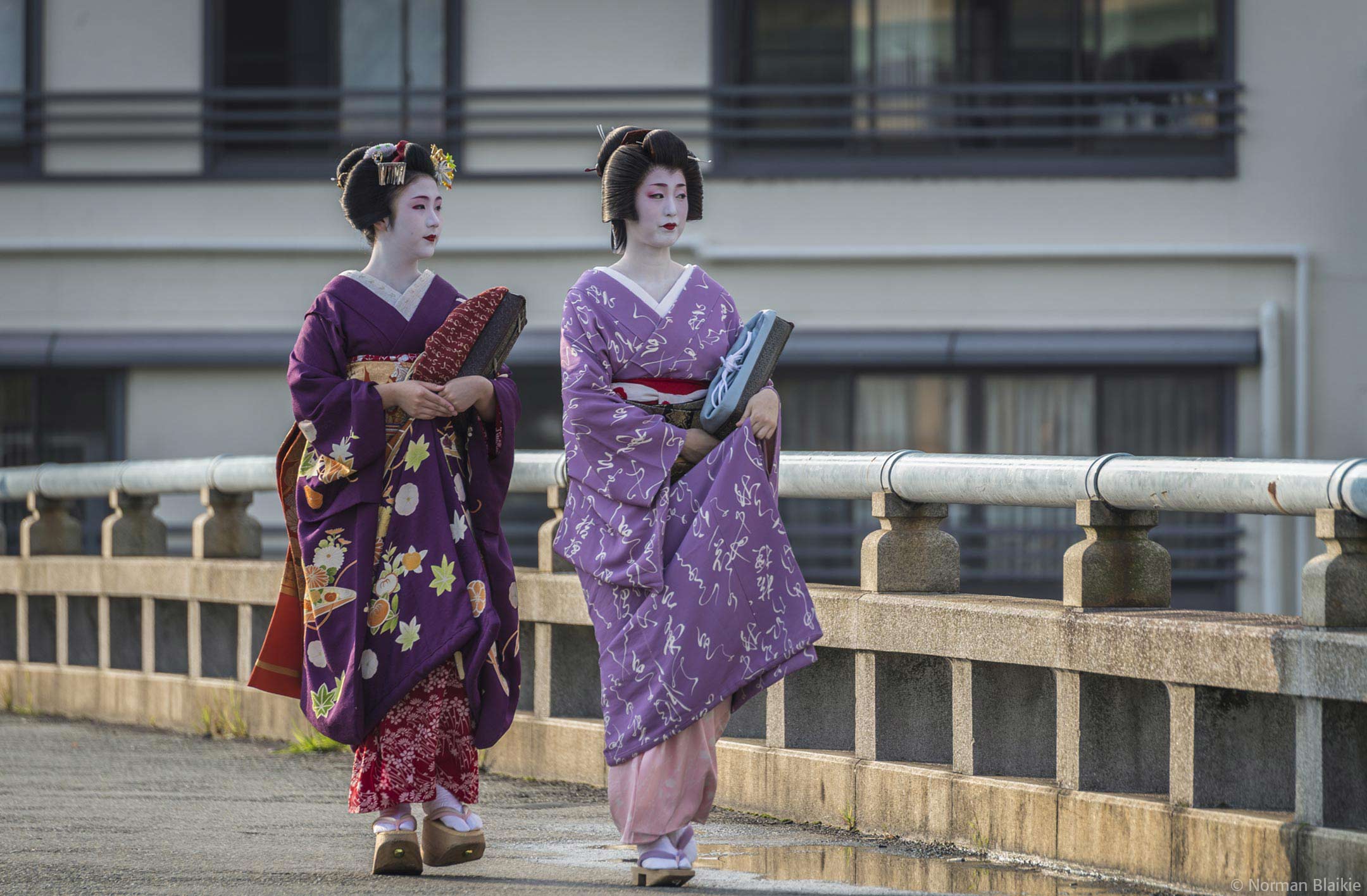
The allure of Japanese clothes for men is undeniable. More than just garments, they represent a rich tapestry of tradition, meticulous craftsmanship, and a unique aesthetic that has captivated the world. From the serene elegance of kimonos to the practical innovation of modern streetwear, Japanese menswear offers a fascinating blend of history and contemporary flair. Whether you’re a seasoned fashion enthusiast or simply curious about exploring new sartorial horizons, diving into the world of Japanese clothes for men promises an enriching and stylish journey.
This comprehensive guide will illuminate the diverse landscape of Japanese clothes for men, exploring their historical significance, key characteristics, and how they seamlessly integrate into modern wardrobes. We’ll delve into the philosophies behind their design, the materials used, and the enduring appeal that makes them a truly remarkable choice. Get ready to discover a world where functionality meets artistry, and where every stitch tells a story.
A Legacy Woven: The Historical Roots of Japanese Clothes for Men
To truly appreciate Japanese clothes for men today, it’s essential to understand their historical foundations. For centuries, traditional Japanese attire was deeply intertwined with social status, occupation, and even the changing seasons.
The Majestic Kimono: More Than Just a Robe
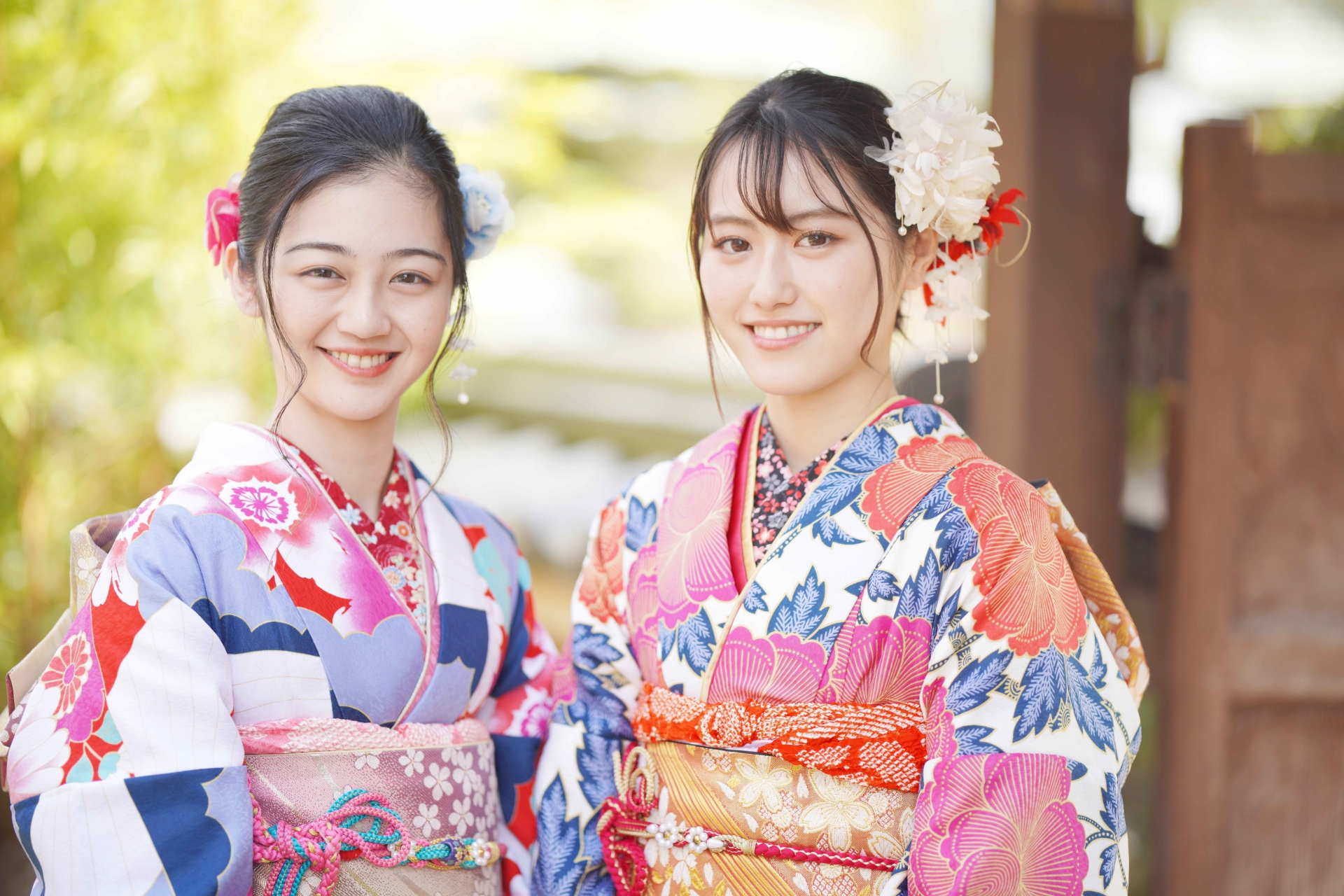
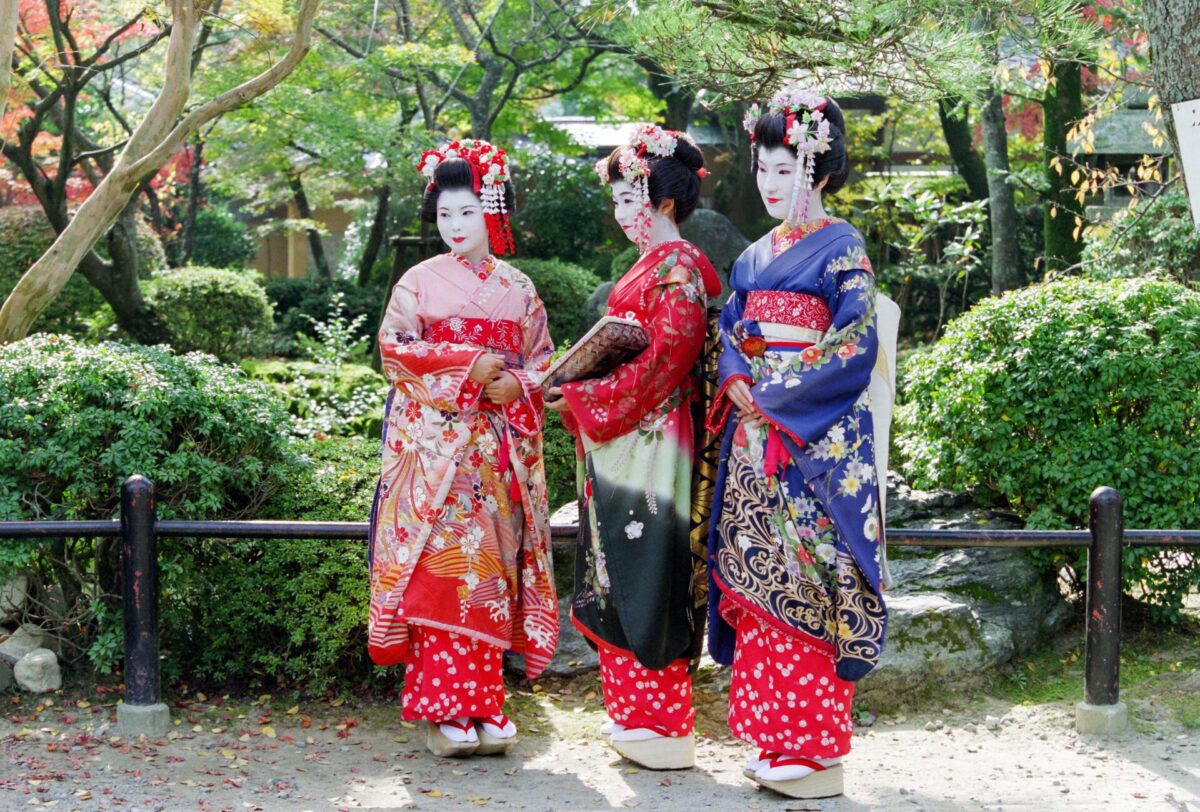
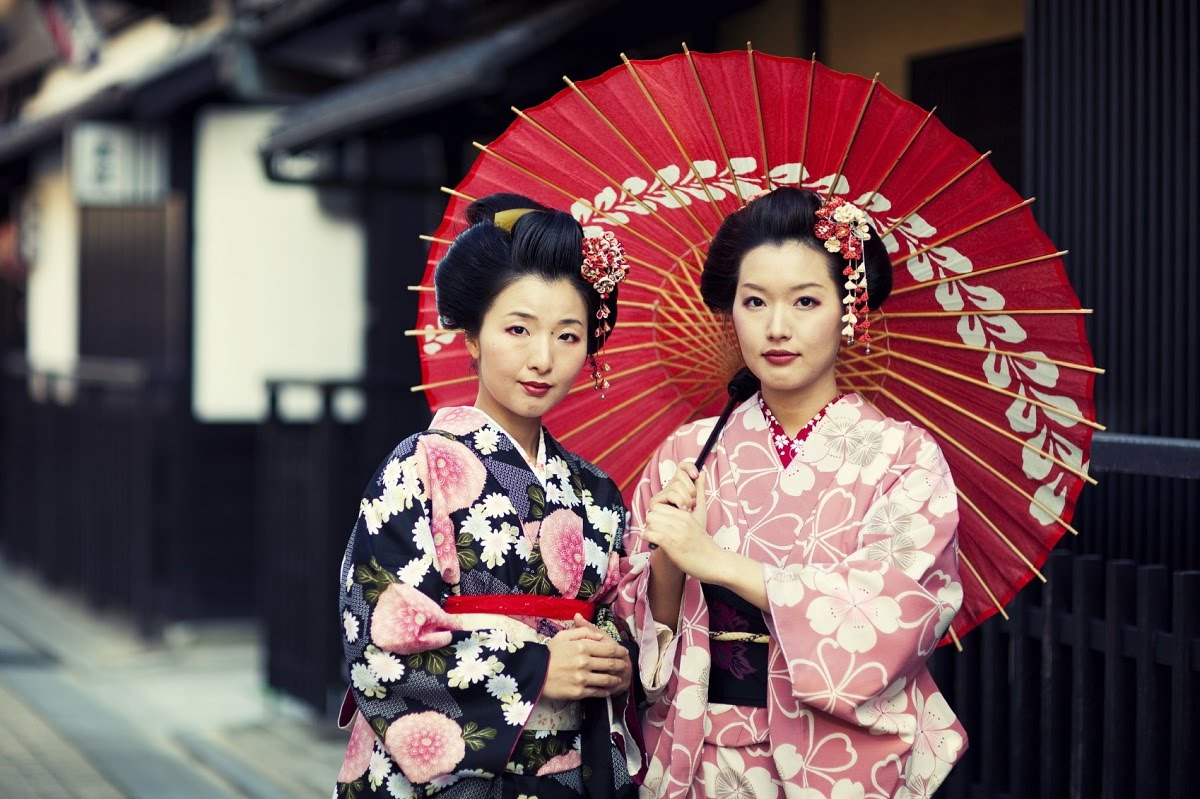
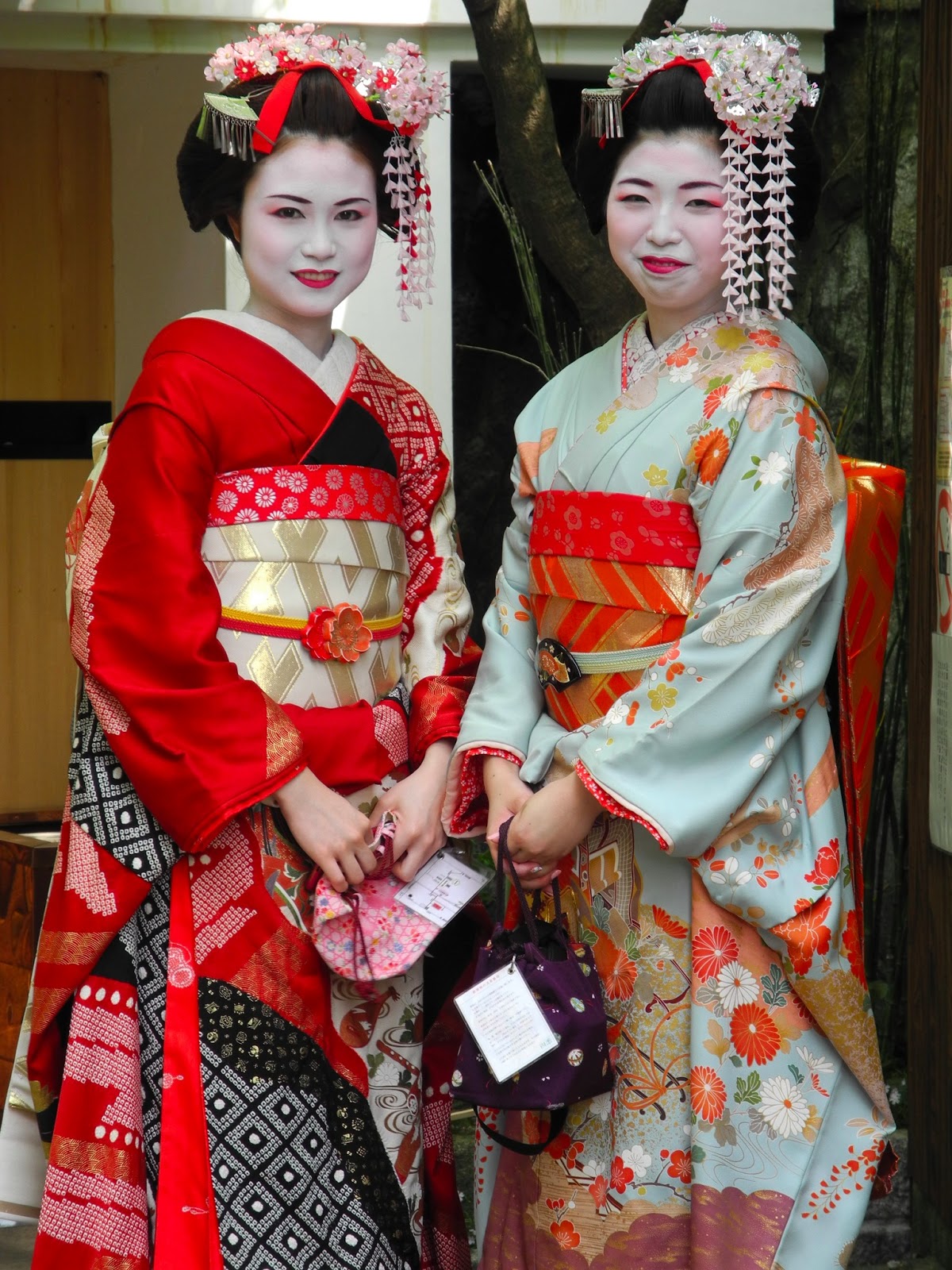
The kimono, perhaps the most iconic symbol of Japanese clothing, has a history stretching back over a thousand years. Originally worn by both men and women, the male kimono evolved to reflect different roles within society. While often associated with formal occasions and ceremonies today, historically, kimonos were everyday wear. The intricate patterns, the quality of the silk or linen, and the way it was worn all conveyed specific meanings. For men, the kimono signified a connection to heritage and a certain gravitas. Understanding the different types of kimonos, such as the yukata (a lighter, informal cotton robe often worn in summer or after bathing) and the more formal montsuki (a crested kimono), provides a deeper appreciation for the nuances of this timeless garment. The art of obi (sash) tying also adds another layer of complexity and visual interest to male kimono dressing.
Samurai and the Evolution of Practicality
The era of the samurai also significantly influenced Japanese clothes for men. While their armor was functional for combat, the undergarments and everyday wear of samurai often featured durable fabrics and practical designs. The hakama, a wide-legged pleated skirt-like garment worn over a kimono, was a staple for samurai and later became associated with martial arts and formal academic attire. Its design allowed for freedom of movement, a crucial element for warriors. This emphasis on practicality and durability continues to resonate in many modern Japanese clothing designs.
Meiji Restoration and Western Influence
The Meiji Restoration in the late 19th century marked a pivotal shift, with Japan opening its doors to Western influences. This led to the adoption of Western-style clothing, known as yōfuku, alongside traditional wafuku. This period saw the emergence of military uniforms and suits, gradually integrating into the daily lives of Japanese men. However, the traditional aesthetic never truly disappeared, often influencing the cut, fabric choices, and detailing of Western-inspired garments. This fusion is a key characteristic of contemporary Japanese clothes for men.
The Essence of Japanese Style: Philosophy and Aesthetics
What makes Japanese clothes for men so distinctive? It’s a combination of underlying philosophies and a refined aesthetic that prioritizes subtlety, quality, and a deep respect for materials.
Wabi-Sabi: Finding Beauty in Imperfection
The concept of wabi-sabi is central to Japanese aesthetics and profoundly influences its clothing. It celebrates imperfection, transience, and the beauty of the natural world. In Japanese clothes for men, this translates to an appreciation for natural fibers, subtle textures, and garments that age gracefully. A slightly faded indigo dye, a natural crease in linen, or a subtle weave pattern can all be seen as elements of wabi-sabi, adding character and depth to the garment. This is a stark contrast to the often-perfectionist Western fashion ideal.
Simplicity and Functionality: The Power of Less
Japanese design often embraces minimalism, where every element serves a purpose. This is particularly evident in Japanese clothes for men. Clean lines, uncluttered silhouettes, and a focus on essential details are paramount. This minimalist approach not only creates a visually appealing aesthetic but also enhances the functionality of the clothing. Think of the well-placed pockets in a workwear-inspired jacket or the comfortable drape of a well-cut shirt.
Harmony with Nature: Natural Materials and Dyes
A deep connection to nature is another cornerstone of Japanese design. This is reflected in the prevalent use of natural fibers like cotton, linen, wool, and silk. Furthermore, traditional dyeing techniques, often using plant-based pigments, create rich, nuanced colors that are gentle on the environment and possess a unique depth. The subtle variations in color that occur with natural dyes are highly prized in Japanese clothes for men.
Exploring the Diverse World of Modern Japanese Clothes for Men
Today, the landscape of Japanese clothes for men is incredibly diverse, offering something for every taste and occasion.
The Enduring Appeal of Traditional Garments (Wafuku)
While not everyday wear for most, traditional garments like the kimono and yukata continue to hold a special place. They are often chosen for significant life events, cultural festivals, or as statement pieces for those who appreciate their historical and artistic value. The elegance and dignity they exude are unparalleled. For those looking to incorporate a touch of tradition, a well-made yukata can be a surprisingly versatile and comfortable option for relaxed summer evenings.
The Rise of Japanese Streetwear: Global Influence and Innovation
Japanese streetwear has exploded onto the global fashion scene, captivating with its bold designs, innovative silhouettes, and meticulous attention to detail. Brands like Comme des Garçons, Yohji Yamamoto, and Issey Miyake have pushed boundaries, influencing trends worldwide. This segment of Japanese clothes for men often features:
- Avant-garde Silhouettes: Asymmetrical cuts, oversized proportions, and deconstructed elements challenge conventional menswear norms.
- Graphic Prints and Bold Graphics: Often inspired by Japanese art, anime, or abstract concepts, these prints are a signature of many streetwear brands.
- Technical Fabrics and Functionality: Many streetwear pieces incorporate advanced materials and functional features, blending high fashion with practicality.
- Layering and Versatility: Streetwear encourages creative layering, allowing for personal expression and adaptability to different weather conditions.
Workwear and Heritage Brands: Durability and Timeless Design
Japanese brands have a strong tradition of producing high-quality workwear and heritage-inspired clothing. These garments are built to last, utilizing robust fabrics and time-tested construction techniques. Think of:
- Denim: Japanese denim is world-renowned for its exceptional quality, intricate weaving processes, and the beautiful fades that develop over time. Brands like Edwin and Samurai Jeans are celebrated for their craftsmanship.
- Military-Inspired Jackets and Trousers: Drawing inspiration from vintage military uniforms, these pieces offer a rugged yet stylish aesthetic.
- Utilitarian Outerwear: Durable and functional jackets, often made from materials like canvas or waxed cotton, are a hallmark of this category.
Minimalist and Contemporary Menswear: Understated Elegance
Beyond the bold statements of streetwear, Japan also excels in producing understated, elegant contemporary menswear. Brands focus on:
- Impeccable Tailoring: Perfectly cut suits, sharp blazers, and well-fitting trousers are a testament to Japanese precision.
- Premium Fabrics: A focus on high-quality natural materials like merino wool, cashmere, and fine cotton ensures comfort and a luxurious feel.
- Subtle Detailing: Attention is paid to the smallest details, from the stitching to the buttons, creating garments that are refined and sophisticated.
- Neutral Color Palettes: Often favoring muted tones like charcoal, navy, beige, and olive green, these pieces are versatile and easy to integrate into any wardrobe.
Key Elements and Materials in Japanese Clothes for Men
Understanding the materials and construction techniques is crucial to appreciating the quality and longevity of Japanese clothes for men.
Fabrics that Tell a Story
- Denim: As mentioned, Japanese denim is in a league of its own. The dedication to traditional loom weaving and meticulous dyeing processes results in fabrics that are both incredibly durable and aesthetically rich.
- Cotton: From crisp poplin for shirts to soft jersey for t-shirts, high-quality cotton is a staple. The Japanese often favor Supima or Pima cotton for its softness and strength.
- Linen: Prized for its breathability and natural texture, linen is a popular choice for summer wear, offering a relaxed yet refined look.
- Wool: Merino wool is frequently used for its softness, warmth, and moisture-wicking properties, often found in knitwear and suiting.
- Silk: While less common for everyday menswear, silk is still used for formal wear and luxurious accessories, adding a touch of opulence.
Craftsmanship and Construction: The Devil is in the Details
The Japanese approach to craftsmanship is legendary. This translates to:
- Precision Stitching: Seams are often meticulously sewn, ensuring durability and a clean finish.
- Reinforced Stress Points: Areas prone to wear and tear, like pocket openings and cuffs, are often reinforced for added longevity.
- Thoughtful Design Elements: Buttons, zippers, and other hardware are chosen not just for function but also for their aesthetic contribution.
- Dyeing Techniques: Traditional dyeing methods, like aizome (indigo dyeing), create unique color variations and a depth that machine dyeing cannot replicate.
Incorporating Japanese Clothes for Men into Your Wardrobe
The beauty of Japanese clothes for men lies in their versatility. They can be integrated into existing wardrobes to elevate your style.
Starting with the Basics: Versatile Staples
- A Well-Made Denim Jacket: A classic piece that will only get better with age.
- A High-Quality T-Shirt: Look for premium cotton with a comfortable fit and subtle branding.
- A Versatile Button-Down Shirt: Opt for natural fabrics like linen or cotton in neutral colors.
- Comfortable Trousers: Whether it’s selvedge denim jeans or well-cut chinos, prioritize comfort and durability.
Adding Statement Pieces: Embracing Individuality
- A Unique Outerwear Piece: A bomber jacket with intricate embroidery, a stylish kimono-style robe, or a rugged workwear jacket can be a fantastic focal point.
- Graphic T-Shirts: Choose designs that resonate with you, whether they’re abstract art or pop culture references.
- Layering Essentials: Experiment with different textures and lengths, like a longline t-shirt under a shorter jacket.
Accessorizing with Japanese Flair
Don’t forget the accessories! Japanese accessories often mirror the same principles of quality and thoughtful design. Consider:
- Scarves: Made from natural fibers with subtle patterns.
- Hats: From classic beanies to stylish caps.
- Bags: Durable canvas totes or stylish leather messenger bags.
- Footwear: Japanese brands are also renowned for their exceptional footwear, from sneakers to traditional sandals.
Where to Find Authentic Japanese Clothes for Men
The global reach of Japanese fashion means that authentic pieces are more accessible than ever.
- Online Retailers: Many Japanese brands have their own international websites, and there are numerous online boutiques specializing in Japanese fashion.
- Department Stores: Larger department stores in major cities often carry curated selections of Japanese menswear.
- Specialty Boutiques: Seek out independent boutiques that focus on Japanese designers and heritage brands.
- Second-Hand and Vintage Stores: For a more sustainable and often more affordable option, explore vintage shops for unique Japanese pieces.
Conclusion: Embrace the Art of Japanese Dressing
The world of Japanese clothes for men offers a compelling invitation to explore a fashion landscape that values tradition, innovation, and enduring quality. From the serene elegance of historical garments to the dynamic energy of modern streetwear, there is a profound depth and artistry to be discovered. By embracing the philosophies of wabi-sabi, functionality, and harmony with nature, you can curate a wardrobe that is not only stylish but also rich in meaning and built to last. So, step into the realm of Japanese clothes for men and experience the transformative power of impeccable design and timeless appeal.
Frequently Asked Questions (FAQ)
Q1: Are Japanese clothes for men expensive?
The price of Japanese clothes for men can vary widely. While high-end designer pieces can be expensive, many brands offer excellent quality at more accessible price points, especially in the workwear and streetwear categories. Investing in well-made pieces often means they last longer, offering better value over time.
Q2: What are the most popular types of Japanese clothes for men?
Currently, Japanese streetwear and heritage-inspired workwear are incredibly popular globally. Traditional garments like kimonos and yukatas are also cherished for special occasions and cultural appreciation.
Q3: Gym training trousers for men unleash your potential in comfort How do I care for Japanese clothes made from natural fibers?
Care instructions will vary depending on the fabric. Generally, natural fibers like cotton, linen, and wool benefit from gentle washing, often in cold water, and air drying. Following the specific care label is always Free cover design templates for magazines unleash your creative spark recommended to maintain the quality and longevity of your garments.
Q4: Can I wear traditional Japanese clothing in everyday life?
While kimonos are typically reserved for formal occasions, lighter garments like yukatas can be worn for casual events, lounging at home, or during summer festivals. Many modern interpretations of traditional garments are also designed for everyday wear.
Q5: What is the difference between wafuku and yōfuku?
Wafuku refers to traditional Japanese clothing, such as kimonos and hakama. Yōfuku refers to Western-style clothing that has been adopted and adapted in Japan, such as suits and shirts.