Discover the Exquisite World of Korean Dress for Men: A Celebration of Style and Tradition
Step into a realm where heritage meets modern flair, and discover the captivating allure of Korean dress for men. More than just clothing, these ensembles are a vibrant tapestry woven with centuries of tradition, intricate craftsmanship, and an undeniable sense of sophisticated style. Whether you’re drawn to the regal grandeur of historical attire or the contemporary interpretations that grace K-dramas and everyday life, Korean dress for men offers a unique and enriching fashion experience. Prepare to be amazed by the artistry, the stories, and the sheer beauty that defines this remarkable aspect of Korean culture.
The Enduring Appeal of Hanbok: A Glimpse into Korean Heritage
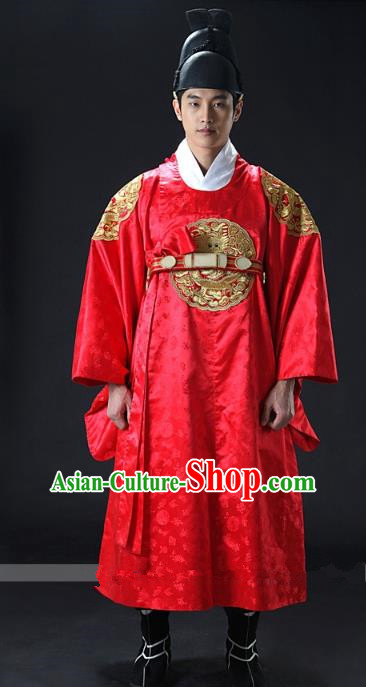
At the heart of traditional Korean dress for men lies the Hanbok. This iconic garment, with its flowing lines and vibrant colors, has been a cornerstone of Korean identity for generations. Far from being a relic of the past, the Hanbok is experiencing a remarkable resurgence, embraced by a new generation eager to connect with their roots and express their individuality.
Understanding the Components of a Traditional Hanbok for Men
A traditional Hanbok for men is a masterpiece of layered elegance, each component contributing to its distinctive silhouette and aesthetic.
The Jeogori: The Upper Garment’s Grace
The jeogori is the upper garment, akin to a jacket or a coat. It typically features a rounded collar (git) and long, wide sleeves. The closure is usually Nyc fashion magazines list unveiling the ultimate guide to the citys style scene secured with a ribbon called a goreum, which is tied in a decorative knot. The jeogori’s length can vary, from shorter versions that emphasize the waist to longer ones that offer a more relaxed feel. The fabric choice for the jeogori is crucial, with silk being a popular and luxurious option for formal occasions, while cotton and linen are preferred for everyday wear. The colors are often symbolic, with red representing good fortune and blue signifying loyalty.
The Baji: The Foundation of Comfort and Style
The baji are the trousers, characterized by their loose and comfortable fit. They are designed to be worn with a wide sash or belt that cinches the waist, ensuring a secure and elegant drape. The generous cut of the baji allows for ease of movement, a testament to the practicality embedded within traditional Korean attire. While historically the baji were often made of plain fabrics, modern interpretations can feature subtle patterns or contrasting colors to add visual interest.
The Durumagi: The Outer Layer of Distinction
The durumagi is a long, overcoat-like garment worn over the jeogori and baji. It serves as a formal outer layer, adding a touch of gravitas and sophistication to the ensemble. The durumagi typically features wide sleeves and a flowing silhouette, often reaching down to the ankles. It can be fastened with buttons or ties. Historically, the color of the durumagi indicated the wearer’s social status and rank, with specific colors reserved for royalty and officials. Today, the durumagi is often seen in richer hues and luxurious fabrics, making it a statement piece for special occasions.
Accessories: The Finishing Touches of Refinement
No Korean dress for men ensemble is complete without the thoughtful addition of accessories. These elements elevate the overall look and add a personal touch.
- Sash (Dae): A wide sash, often made of silk, is worn around the waist, cinching the jeogori and baji. It can be plain or intricately embroidered, adding a pop of color and texture.
- Hat (Gat): For formal occasions, a traditional hat called a gat is often worn. This distinctive hat, typically made of bamboo and horsehair, has a wide brim and a rounded crown, exuding an air of scholarly elegance.
- Footwear (Hye): Traditional Korean shoes, known as hye, are typically made of silk or leather and have a rounded toe. They are designed to be comfortable and complement the flowing lines of the Hanbok.
Modern Interpretations: Korean Dress for Men in the 21st Century
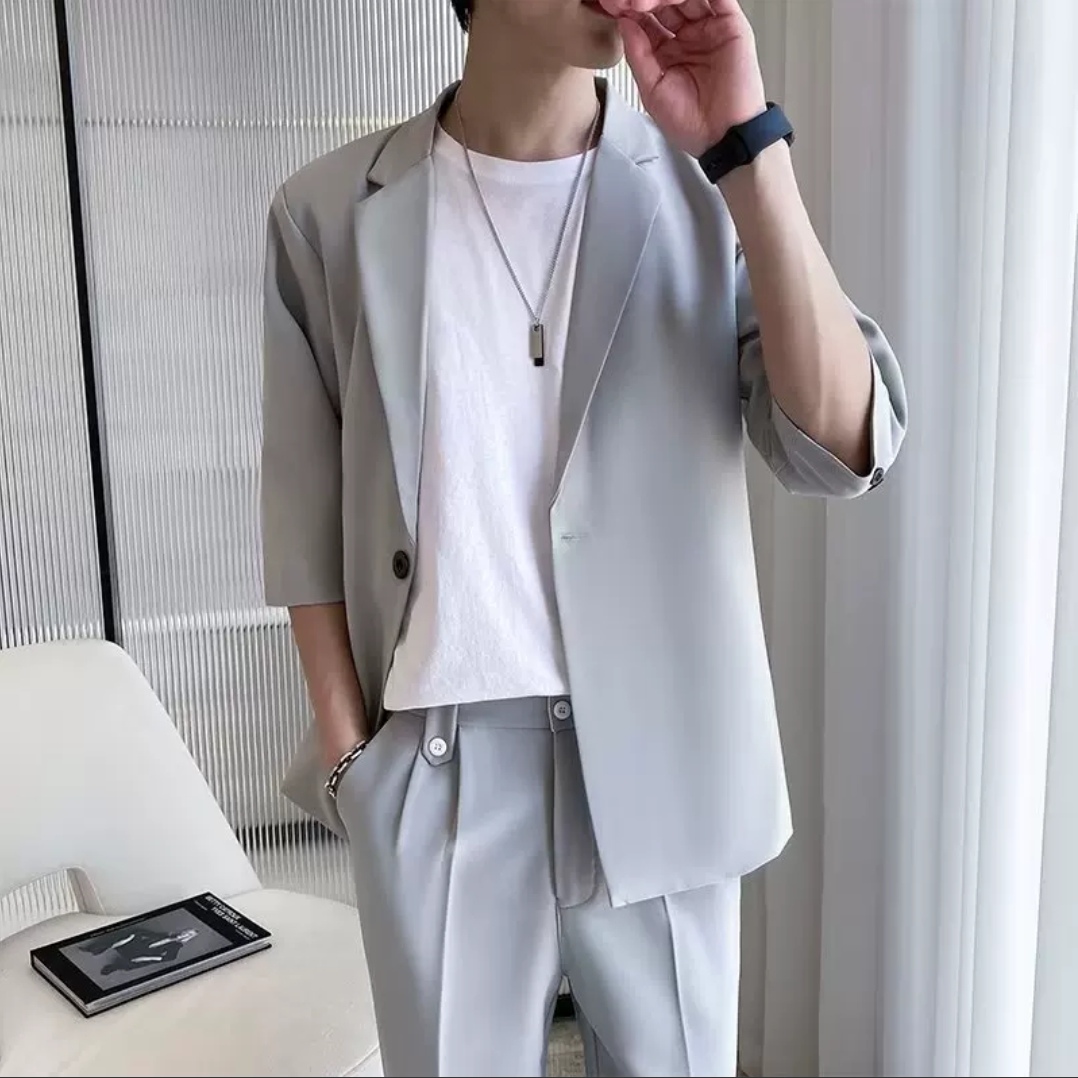
The beauty of Korean dress for men extends far beyond historical garments. Contemporary Korean fashion designers have masterfully blended traditional elements with modern aesthetics, creating a dynamic and exciting landscape of style.
The Influence of K-Fashion and K-Drama
The global phenomenon of K-Pop and K-Dramas has undeniably propelled Korean fashion onto the international stage. Actors and idols are often seen sporting stylish interpretations of traditional Korean attire, inspiring a new wave of appreciation and adoption. This influence can be seen in:
- Modernized Hanbok: Designers are reinterpreting the Hanbok with contemporary fabrics, shorter lengths, and more tailored fits. These modernized versions are often worn for casual outings, festivals, and even as unique fashion statements.
- Fusion Wear: The blending of Korean silhouettes and motifs with Western clothing styles is a prominent trend. Think of bomber jackets with subtle Hanbok-inspired embroidery, or tailored trousers with traditional Korean patterns.
- Streetwear with a Korean Twist: Korean streetwear brands are incorporating elements of traditional Korean dress into their designs, offering a unique and edgy aesthetic. This can include graphic tees with traditional motifs, or jackets with Hanbok-style closures.
Everyday Elegance: Korean Dress for Men in Daily Life
While elaborate Hanboks are reserved for special occasions, the influence of Korean dress can be seen in the everyday fashion choices of Korean men. This often translates to:
- Emphasis on Quality Fabrics and Tailoring: Korean fashion generally prioritizes well-made garments with excellent tailoring. This attention to detail creates a polished and sophisticated look, even in casual wear.
- Subtle Traditional Motifs: You might find traditional Korean patterns, such as geometric designs or nature-inspired motifs, subtly incorporated into shirts, ties, or even socks.
- Layering and Texture: Korean men often excel at layering, combining different textures and lengths to create visually interesting and stylish outfits. This echoes the layered nature of traditional Korean dress.
- Color Palettes: While vibrant colors are a hallmark of traditional Hanbok, modern Korean fashion often embraces a more muted and sophisticated color palette, with an emphasis on neutrals, earth tones, and deep jewel tones.
The Significance of Korean Dress for Men: Beyond Aesthetics
The appeal of Korean dress for men is not solely rooted in its visual splendor. It carries a deeper cultural and symbolic significance.
Cultural Identity and Pride
Wearing Korean dress, whether traditional or modern, is a powerful expression of cultural identity and pride. It’s a way to connect with ancestral heritage and to showcase the richness of Korean traditions to the world. For many, it’s a tangible link to their roots and a source of national pride.
Symbolism and Meaning
Colors, patterns, and even the way garments are worn in traditional Korean dress often carry specific meanings. For instance, certain colors might represent auspiciousness, longevity, or social status. Understanding these symbols adds another layer of appreciation to the artistry and intention behind the clothing.
A Testament to Craftsmanship
The creation of traditional Korean dress for men is a testament to meticulous craftsmanship. From the intricate embroidery to the precise tailoring, each garment is a labor of love, passed down through generations of skilled artisans. This dedication to quality and detail is a defining characteristic of Korean culture.
Embracing Korean Dress for Men: Tips for the Modern Enthusiast
For those intrigued by the elegance and cultural richness of Korean dress for men, here are some tips to begin your exploration:
- Start with Modern Interpretations: If you’re new to Korean fashion, begin by exploring contemporary designers who offer modernized Hanboks or clothing with subtle Korean influences. This is a more accessible entry point.
- Visit Korean Boutiques and Online Stores: Many boutiques and online retailers specialize in Korean fashion, offering a wide range of traditional and modern pieces.
- Pay Attention to Fit and Fabric: As with any fashion, prioritize good fit and quality fabrics. This will ensure your Korean-inspired outfits look and feel their best.
- Experiment with Accessories: Don’t underestimate the power of accessories. A well-chosen scarf, a stylish hat, or even unique footwear can add a distinct Korean flair to your ensemble.
- Learn About the Culture: The more you understand the cultural context and symbolism behind Korean dress, the more you’ll appreciate its depth and beauty.
Frequently Asked Questions About Korean Dress for Men
Q1: Is Korean dress for men only for special occasions?
A1: While traditional Hanboks are primarily worn for special occasions like weddings, holidays, and festivals, modernized versions and clothing with Korean influences are increasingly being worn for everyday life and casual events.
Q2: Where can I buy authentic Korean dress for men?
A2: You can find authentic Korean dress for men at specialized Korean boutiques, department stores with Korean fashion sections, and reputable online retailers that focus on Korean clothing. Look for brands known for their quality and traditional craftsmanship.
Q3: What are the key differences between traditional and modern Korean dress for men?
A3: Traditional Korean dress for men (Hanbok) features specific silhouettes, fabrics, and layering. Modern interpretations often adapt these elements with contemporary fabrics, shorter lengths, more tailored fits, and a blend with Western fashion styles.
Q4: Are there specific colors or patterns that are more traditional for men’s Korean dress?
A4: Traditionally, men’s Hanboks often featured more subdued colors like blues, greens, grays, and blacks, with occasional pops of red or gold for formal occasions. Patterns could range from simple geometric designs to more elaborate motifs symbolizing nature or good fortune. Modern interpretations offer a much wider spectrum of colors and patterns.
Q5: How do I care for traditional Korean dress for men?
A5: Traditional Korean garments, especially those made of silk, often require special care. It’s generally recommended to dry clean them. For less delicate fabrics, hand washing in cold water with Fashion jacket korean style your ultimate guide to effortless chic a mild detergent might be possible, but always check the care label or consult with a professional if unsure.
Conclusion: A Timeless Invitation to Style
The world of Korean dress for men offers a compelling fusion of history, artistry, and contemporary style. From the majestic elegance of the Hanbok to the subtle nods to tradition in modern fashion, these ensembles invite you to explore a rich cultural heritage while embracing a sophisticated and captivating aesthetic. Whether you’re seeking to connect with your roots or simply drawn to the unique beauty of Korean design, the journey into Korean dress for men is an enriching and rewarding experience.
Share your thoughts! Have you ever experienced Korean dress for men? What aspects of this style resonate most with you? Let us know in the comments below!