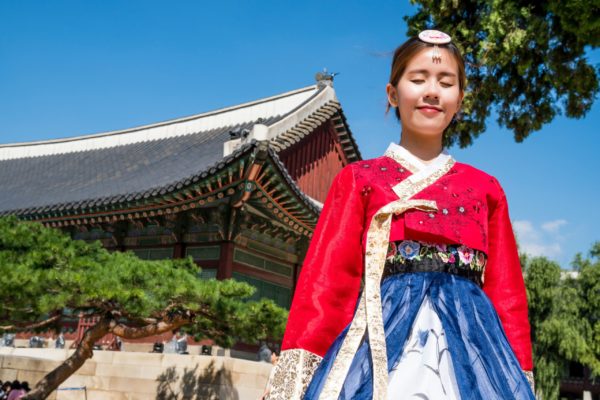
Unleash your inner elegance with the captivating beauty of a Korean dress for women with name! For centuries, the Hanbok has been more than just traditional attire; it’s a vibrant tapestry woven with history, culture, and unparalleled artistry. From its graceful silhouette to its breathtaking colors, the Hanbok offers a unique and empowering way for women to express their individuality and connect with a rich heritage. Whether you’re attending a special occasion, exploring Korean culture, or simply seeking a stunning and distinctive outfit, understanding the nuances of a Korean dress for women with name will unlock a world of sartorial delight.
This comprehensive guide will delve deep into the heart of the Hanbok, exploring its diverse styles, the significance of its components, and how to choose the perfect Korean dress for women with name that resonates with your personal style and the occasion. Get ready to be mesmerized by the enduring charm and timeless appeal of this iconic garment.
The Allure of the Hanbok: A Timeless Masterpiece
The Korean dress for women with name, known as Hanbok (한복), is a garment steeped in tradition and celebrated for its aesthetic brilliance. Its defining characteristics – the voluminous skirt (chima) and the fitted jacket (jeogori) – create a silhouette that is both modest and incredibly flattering. The beauty of the Hanbok lies not only in its form but also in the exquisite craftsmanship and the symbolic meanings embedded within its design.
Key Elements of a Traditional Hanbok:
- Jeogori (저고리): This is the upper garment, a short jacket that typically ends just above the bust. It features wide sleeves and a distinctive "collar" (git) that is often embroidered. The length and fit of the jeogori can vary, with shorter styles being more modern and longer ones being more traditional.
- Chima (치마): The chima is the voluminous, high-waisted skirt that forms the lower half of the Hanbok. It’s designed to drape beautifully and create an elegant, flowing silhouette. The width and fullness of the chima can differ depending on the era and style.
- Dongjeong (동정): This is a detachable white collar that is attached to the neckline of the jeogori. It’s a crucial element that adds a crisp, clean finish and is often embroidered with intricate patterns.
- Goreum (고름): These are the long ribbons attached to the front of the jeogori, used to tie the jacket closed. They are often made of contrasting colors and can be tied in various decorative knots.
- Baerae (배래): This refers to the hem of the chima, which is often adorned with colorful embroidery or fabric borders, adding a touch of opulence.
Exploring the Diverse Spectrum of Korean Dress for Women with Name
The world of Korean dress for women with name is far from monolithic. Over centuries, the Hanbok has evolved, giving rise to various styles suited for different purposes and social strata. Understanding these variations will empower you to make an informed choice when selecting your perfect Hanbok.
Historical Evolution and Modern Adaptations
Historically, Hanbok designs reflected the wearer’s social status, age, and the occasion. Richer fabrics, vibrant colors, and elaborate embroidery were reserved for royalty and the aristocracy, while simpler designs and muted tones were common for the general populace.
In contemporary times, the Hanbok has experienced a remarkable resurgence. Designers have embraced modern interpretations, blending Korean ladies formal tops unveiling elegant style for every occasion traditional elements with contemporary fashion trends. This has led to the creation of "modern Hanboks" that are more practical for everyday wear, featuring lighter fabrics, shorter lengths, and simplified designs while retaining the quintessential Hanbok charm.
Occasion-Specific Hanboks
The beauty of a Korean dress for women with name lies in its versatility. Different occasions call for distinct Hanbok styles:
- Everyday Hanbok (생활한복 – Saenghwal Hanbok): These are designed for comfort and practicality, often made from breathable cotton or linen. They feature simpler designs, muted colors, and sometimes incorporate modern elements like zippers or elastic waistbands for ease of wear. These are perfect for casual outings or embracing Korean culture in daily life.
- Formal Hanbok (예복 – Yebok): Worn for significant events like weddings, ancestral rites (jesa), and important ceremonies. These Hanboks are typically made from luxurious fabrics like silk or satin, adorned with intricate embroidery, gold thread, and vibrant, auspicious colors.
- Wedding Hanbok (웨딩 한복 – Wedding Hanbok): The bride’s wedding Hanbok is a spectacle of color and artistry, often featuring vibrant reds, blues, and greens, symbolizing good fortune and prosperity. The groom also wears a formal Hanbok. Modern wedding Hanboks often incorporate contemporary design elements while staying true to tradition.
- Children’s Hanbok (아동 한복 – Adong Hanbok): Children’s Hanboks are designed to be cheerful and vibrant, often featuring playful patterns and bright colors. They are worn for holidays like Seollal (Lunar New Year) and Chuseok (Harvest Festival), as well as for special occasions.
- Performance Hanbok (무대 의상 – Mudae Uisang): These are often more elaborate and theatrical, designed for stage performances, dances, and historical reenactments. They can feature exaggerated silhouettes, dramatic embellishments, and unique fabric choices to enhance visual impact.
The Profound Significance of Colors and Patterns in Korean Dress for Women with Name
Every element of a Korean dress for women with name is imbued with meaning, and colors and patterns are no exception. They are not merely decorative; they carry symbolic weight, reflecting beliefs, aspirations, and cultural values.
A Spectrum of Symbolism: The Meaning Behind the Hues
The traditional five cardinal colors (Obangsaek – 오방색) hold significant meaning in Korean culture and are often incorporated into Hanbok designs:
- White (Baeksaek – 백색): Represents purity, innocence, and new beginnings. It’s a foundational color, often seen in the dongjeong and as a base for other colors.
- Black (Geumsaek – 금색): Symbolizes wisdom, depth, and mystery. It’s often used in more formal or regal Hanboks.
- Blue (Cheongsaek – 청색): Represents the East, spring, and the element of wood. It signifies vitality, youth, and growth.
- Yellow (Noksaek – 녹색): Represents the West, autumn, and the element of metal. It signifies strength, justice, and order.
- Red (Hongsaek – 홍색): Represents the South, summer, and the element of fire. It symbolizes passion, good fortune, and warding off evil spirits.
Beyond the Obangsaek, other colors also carry significance:
- Pink: Often associated with femininity, romance, and gentle beauty.
- Purple: Represents royalty, nobility, and spirituality.
- Green: Signifies nature, harmony, and prosperity.
Embroidered Narratives: The Language of Patterns
The intricate embroidery found on Hanboks tells stories and conveys blessings. Common motifs include:
- Peonies (Moran – 모란): Symbolize wealth, honor, and prosperity.
- Lotus Flowers (Yeonkkot – 연꽃): Represent purity, enlightenment, and rebirth.
- Cranes (Hak – 학): Symbolize longevity, peace, and good fortune.
- Butterflies (Nabi – 나비): Represent happiness, love, and marital bliss.
- Phoenixes (Bonghwang – 봉황): Symbolize royalty, nobility, and auspiciousness.
- Dragons (Yong – 용): Represent power, strength, and good fortune.
- Geometric Patterns: Often represent order, harmony, and the cosmos.
Choosing Your Perfect Korean Dress for Women with Name: A Personalized Journey
Selecting a Korean dress for women with name is a delightful experience that involves considering various factors to ensure you find a garment that makes you feel confident and beautiful.
Understanding Your Style and the Occasion
The first step is to consider the event you’ll be attending. A casual outing calls for a different Hanbok than a formal wedding. Think about the overall aesthetic you’re aiming for – do you prefer a classic, traditional look, or a more modern, contemporary interpretation?
Fabric and Fit: The Foundation of Comfort and Elegance
- Fabrics: Silk and satin offer a luxurious feel and a beautiful drape, perfect for formal occasions. Cotton and linen are excellent choices for everyday wear, providing breathability and comfort. Rayon and polyester blends can offer a more affordable option while still mimicking the look of traditional fabrics.
- Fit: The jeogori should fit snugly but comfortably, allowing for ease of movement. The chima should be high-waisted and drape gracefully. When trying on a Hanbok, pay attention to how it moves with you.
Color Palette and Pattern Selection: Expressing Your Personality
Consider your personal preferences and the symbolism of colors and patterns. Do you gravitate towards bold and vibrant hues, or do you prefer more subtle and muted tones? Do any particular motifs resonate with you? Don’t be afraid to experiment and find combinations that reflect your unique style.
Accessorizing Your Korean Dress for Women with Name
Completing your Hanbok ensemble involves thoughtful accessorizing.
- Hair Ornaments (Binyeo – 비녀, Dwikkoji – 뒤꽂이): These traditional hairpins add a touch of elegance and can be adorned with pearls, jade, or intricate metalwork.
- Shoes (Beoseon – 버선 and Kkotsin – 꽃신): Beoseon are traditional Korean socks, usually white. Kkotsin are embroidered silk shoes, often worn with formal Hanboks. Modern interpretations might include elegant flats or heels.
- Bags: Small, decorative pouches or intricately embroidered bags can complement the Hanbok.
Where to Find Your Dream Korean Dress for Women with Name
The accessibility of Hanboks has increased significantly, offering various avenues for purchase and rental.
- Specialty Hanbok Stores: Many cities with a significant Korean population will have dedicated Hanbok shops that offer a wide selection of traditional and modern designs.
- Online Retailers: Numerous online stores specialize in Hanbok, offering global shipping. Be sure to check reviews and sizing charts carefully.
- Rental Services: For special occasions, renting a Hanbok is a popular and cost-effective option. Many cities offer Hanbok rental services, especially in tourist areas or near cultural landmarks.
- Custom Tailoring: For a truly unique and perfectly fitted Korean dress for women with name, consider custom tailoring. This allows you to select fabrics, colors, and design elements to create a one-of-a-kind piece.
Embracing the Elegance: The Enduring Appeal of Korean Dress for Women with Name
The Korean dress for women with name is more than just clothing; it’s a cultural ambassador, a wearable piece of art, and a powerful expression of identity. Its timeless beauty, rich symbolism, and elegant silhouette continue to captivate hearts worldwide. Whether you’re seeking a garment for a special celebration or simply wish to embrace the enchanting world of Korean fashion, the Hanbok offers an unparalleled experience.
As you explore the diverse styles and intricate details of the Korean dress for women with name, you’ll discover a garment that not only adorns your body but also enriches your spirit. So, go forth, embrace the elegance, and let the magic of the Hanbok transform your style and your understanding of Korean culture.
Frequently Asked Questions about Korean Dress for Women with Name
Q1: What is the most important part of a Korean dress for women with name?
A1: The Hanbok consists of two main parts: the jeogori (upper jacket) and the chima (skirt). Both are essential to the traditional silhouette.
Q2: Are Korean dresses for women with name comfortable to wear?
A2: Traditional Hanboks, especially those made with natural fabrics like cotton and linen, are generally very comfortable due to their loose fit and breathable materials. Modern Hanboks are often designed with even greater emphasis on comfort for everyday wear.
Q3: Can I wear a Korean dress for women with name to a Western wedding?
A3: While not traditional for Western weddings, a modern or subtly designed Hanbok could be a unique and elegant choice for a guest, provided it’s not overly elaborate and doesn’t overshadow the bride. It’s always a good idea to consider the formality of the event.
Q4: How do I care for a Korean dress for women with name?
A4: Care instructions vary depending on the fabric. Silk and heavily embroidered Hanboks often require dry cleaning. Cotton and linen Hanboks can usually be hand-washed or machine-washed on a delicate cycle. Always check the care label or consult with the retailer.
Q5: What are the most popular colors for a Korean dress for women with name?
A5: Traditional Hanboks often feature vibrant colors like red, blue, green, yellow, and white, each carrying symbolic meaning. Modern Hanboks offer a wider range of colors, including pastels and earth tones, catering to contemporary tastes.
/KoreanFolkDanceMultidashbitsviaGetty-56a042f83df78cafdaa0b919.jpg "Korean Dress for Women with Name: Unveiling the Enchanting World of Hanbok!")