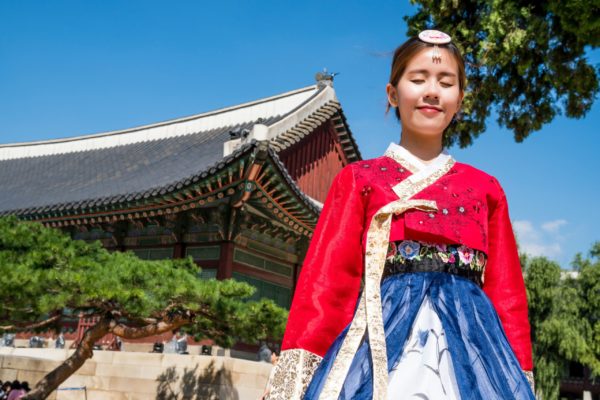
The allure of Korean fashion images traditional is undeniable, a captivating blend of history, artistry, and enduring elegance. Far from being relics of the past, these iconic garments continue to inspire and influence contemporary style, offering a profound connection to Korea’s rich cultural heritage. This article delves into the heart of traditional Korean attire, exploring its beauty, significance, and the lasting impact it has on the world of fashion. Prepare to be enchanted by the exquisite craftsmanship and the stories woven into every thread of these magnificent creations.
The Majestic Hanbok: A Symbol of Korean Identity
At the forefront of Korean fashion images traditional stands the magnificent Hanbok (한복). More than just clothing, the Hanbok is a vibrant testament to Korean identity, embodying centuries of history, social customs, and aesthetic principles. Its distinctive silhouette, characterized by flowing lines and vibrant colors, has captivated hearts for generations.
Unveiling the Components of the Hanbok
Understanding the Hanbok requires appreciating its individual components, each playing a crucial role in the overall harmony and aesthetic.
-
Jeogori (저고리): This is the upper garment, a jacket or blouse that typically features a rounded collar (git, 깃) and long, wide sleeves. The jeogori can vary in length, from short to longer styles, and its fabric and embellishments often signify the wearer’s social status and the occasion. The vibrant colors and intricate embroidery on the jeogori are often the focal point of the Hanbok.
-
Chima (치마): The chima is the Korean mens fashion the electrifying evolution of style voluminous, high-waisted skirt worn by women. It drapes gracefully from the chest, creating a beautiful, flowing silhouette. The fullness of the chima allows for ease of movement and contributes to the garment’s elegant and feminine appeal. Different types of chima exist, from the simpler everyday styles to more elaborate ones for special events.
-
Baji (바지): For men, the baji are the traditional trousers. They are typically loose-fitting and tied at the waist with a sash. The design of the baji prioritizes comfort and freedom of movement, reflecting the practical needs of daily life.
-
Durumagi (두루마기): This is a long, outer coat worn by both men and women, often over the jeogori and baji or chima. The durumagi provides warmth and an added layer of sophistication. It is characterized by its straight lines and wide sleeves, completing the traditional ensemble with a sense of stately grace.
The Significance of Colors and Patterns
The choice of colors and patterns in the Hanbok is deeply symbolic, conveying meaning and sentiment.
-
Vibrant Hues: Traditional Hanboks are renowned for their bold and beautiful colors. White, symbolizing purity and innocence, is a fundamental color. Red signifies passion and good fortune, while blue represents the sky and wisdom. Yellow embodies royalty and the earth, and green signifies vitality and growth. The harmonious blending of these colors creates a visually stunning effect.
-
Intricate Embroidery and Motifs: Elaborate embroidery is a hallmark of the Hanbok. Motifs often include nature-inspired elements such as flowers (especially peonies and chrysanthemums), birds (cranes and phoenixes), and celestial bodies. These motifs are not merely decorative; they carry auspicious meanings, wishing good luck, longevity, prosperity, and happiness upon the wearer. For instance, the peony symbolizes wealth and honor, while the crane represents longevity.
Evolution and Enduring Appeal of Traditional Korean Fashion
While the Hanbok is the most recognized form of Korean fashion images traditional, it’s important to acknowledge the evolution of traditional attire and its continued relevance.
From Royal Courts to Everyday Life
Historically, the Hanbok was worn by all social classes in Korea. However, the complexity of its design and the richness of its fabrics often reflected the wearer’s status. Royal families and nobility adorned themselves in the most elaborate and richly decorated Hanboks, crafted from luxurious silks and adorned with precious metals. Commoners wore simpler versions made from cotton or hemp, prioritizing practicality and comfort.
The Modern Renaissance of the Hanbok
In recent decades, there has been a remarkable resurgence of interest in the Hanbok. This modern renaissance is driven by a desire to reconnect with cultural roots and a growing appreciation for the aesthetic beauty of traditional Korean clothing.
-
Contemporary Designers and Fusion Styles: Today, talented Korean designers are reinterpreting the Hanbok for the modern era. They are experimenting with new fabrics, silhouettes, and design elements, creating fusion Hanboks that blend traditional aesthetics with contemporary fashion trends. These innovative designs often retain the essence of the Hanbok while making it more accessible and wearable for everyday occasions.
-
Celebrity Endorsements and Global Exposure: The popularity of K-Pop and K-Dramas has played a significant role in showcasing the beauty of the Hanbok to a global audience. Celebrities often don modern interpretations of the Hanbok for music videos, photoshoots, and public appearances, further popularizing this iconic garment. This exposure has ignited a global fascination with Korean fashion images traditional.
-
Hanbok Rental and Experiential Tourism: The rise of Hanbok rental shops in historical districts like Bukchon Hanok Village in Seoul has made it easier for both locals and tourists to experience wearing a Hanbok. This hands-on experience allows people to immerse themselves in Korean culture and create memorable photographs, further cementing the visual appeal of Korean fashion images traditional.
Beyond the Hanbok: Other Facets of Traditional Korean Attire
While the Hanbok dominates the landscape of Korean fashion images traditional, other forms of attire also hold significant cultural importance.
Gat (갓): The Scholar’s Hat
The gat is a traditional Korean hat worn by men, particularly scholars and government officials during the Joseon Dynasty. Made from bamboo or horsehair, it is characterized by its wide brim and cylindrical crown. The gat was not merely an accessory; it was a symbol of status, intellect, and Confucian values. Its distinctive silhouette is an iconic element in many Korean fashion images traditional.
Beoseon (버선): The Traditional Korean Socks
Beoseon are traditional Korean socks, typically made of cotton or silk. They are characterized by their soft, rounded toe and the absence of a heel. Beoseon were an essential part of traditional Korean attire, worn by both men and women to protect the feet and add a touch of elegance to the ensemble. Their simple yet refined design complements the flowing lines of the Hanbok.
Norigae (노리개): The Elegant Ornament
Norigae are decorative Korean ornaments worn by women, typically attached to the jeogori’s ties or the chima’s waistband. They come in a variety of forms, including tassels, pendants, and charms, often crafted from precious metals, jade, or silk. Norigae are not just decorative; they often carry symbolic meanings, representing good fortune, protection, and prosperity. Their intricate craftsmanship adds a touch of exquisite detail to Korean fashion images traditional.
The Enduring Power of Korean Fashion Images Traditional
The enduring appeal of Korean fashion images traditional lies in their ability to evoke a sense of timeless beauty and cultural pride. These garments are more than just aesthetically pleasing; they are living embodiments of Korea’s rich history and artistic heritage.
A Source of Inspiration for Modern Designers
The intricate details, vibrant color palettes, and graceful silhouettes of traditional Korean clothing continue to inspire contemporary fashion designers worldwide. Elements of the Hanbok, such as the wide sleeves, the high waistlines, and the flowing fabrics, can be seen influencing modern ready-to-wear collections. This cross-pollination of styles demonstrates the universal appeal of Korean aesthetics.
Preserving Cultural Heritage Through Visuals
Korean fashion images traditional play a crucial role in preserving and promoting Korean cultural heritage. Through photography, film, and digital media, these images allow people to connect with the past and understand the evolution of Korean style. They serve as a visual archive, ensuring that the beauty and significance of traditional attire are not forgotten.
A Celebration of Korean Artistry and Craftsmanship
The creation of traditional Korean garments is a testament to exceptional artistry and meticulous craftsmanship. The skilled hands that weave the fabrics, embroider the intricate patterns, and meticulously construct each garment imbue them with a soul and a story. This dedication to detail and quality is a cornerstone of Korean fashion images traditional.
Frequently Asked Questions about Korean Fashion Images Traditional
Q1: What is the most iconic traditional Korean garment?
The most iconic traditional Korean garment is the Hanbok, which consists of a jeogori (jacket) and a chima (skirt for women) or baji (trousers for men).
Q2: Are traditional Korean clothes still worn today?
Yes, traditional Korean clothes, particularly the Hanbok, are still worn today, especially for special Wix templates with faq unlock your dream website effortlessly occasions like holidays (e.g., Chuseok and Seollal), weddings, and cultural festivals. There’s also a growing trend of wearing modern interpretations of the Hanbok in daily life.
Q3: What do the colors in traditional Korean clothing symbolize?
Colors in traditional Korean clothing hold significant symbolism. For example, white represents purity, red signifies passion and good fortune, blue embodies the sky and wisdom, yellow represents royalty, and green signifies vitality.
Q4: Where can I see examples of traditional Korean fashion images?
You can find numerous examples of Korean fashion images traditional online through image searches, on cultural heritage websites, in museums, and in books about Korean history and art. K-Dramas and films also often feature traditional Korean attire.
Q5: What is the significance of the patterns and embroidery on traditional Korean clothes?
Patterns and embroidery on traditional Korean clothes are often symbolic. Motifs like flowers, birds, and celestial bodies carry meanings of good luck, longevity, prosperity, and happiness.
Conclusion: A Timeless Tapestry of Elegance
The world of Korean fashion images traditional offers a captivating glimpse into a rich cultural tapestry woven with threads of history, artistry, and enduring elegance. The Hanbok, in its myriad forms, stands as a powerful symbol of Korean identity, continuously inspiring and captivating audiences worldwide. As these traditional garments are reinterpreted and embraced by contemporary society, their timeless beauty and profound cultural significance continue to shine, ensuring their place as a cherished part of Korea’s vibrant heritage. We invite you to explore further and share your favorite aspects of traditional Korean fashion in the comments below!
/KoreanFolkDanceMultidashbitsviaGetty-56a042f83df78cafdaa0b919.jpg "Korean Fashion Images Traditional: A Timeless Celebration of Elegance")