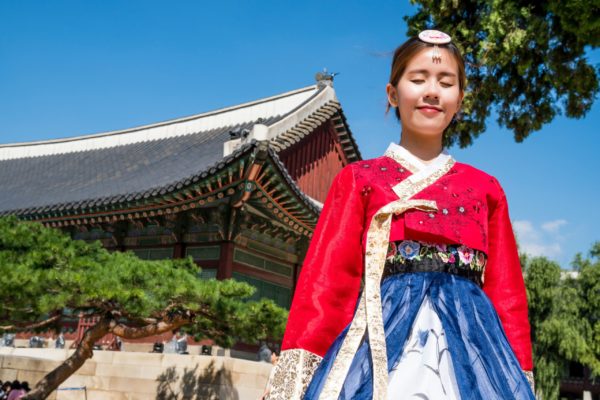
The vibrant tapestry of Korean culture is beautifully woven into its traditional attire, a visual feast that speaks volumes about history, artistry, and societal values. Whether you’re marveling at the elegance of a hanbok worn by a woman or the dignified grace of a man’s ensemble, Korean traditional dress male and female offers a powerful and enduring glimpse into the soul of Korea. This isn’t just clothing; it’s a living heritage, a testament to centuries of craftsmanship, and a source of immense national pride. Let’s embark on a captivating journey to explore the magnificent world of Korean traditional dress.
The Enduring Allure of Hanbok: A Timeless Masterpiece
At the heart of Korean traditional dress lies the hanbok (한복). While often used as an umbrella term, it specifically refers to the traditional clothing of the Joseon Dynasty (1392-1897). The hanbok is renowned for its exquisite beauty, flowing lines, and harmonious colors. It’s a garment designed to flatter the wearer and reflect the natural world, embodying a philosophy of balance and simplicity.
Unveiling the Elegance of Female Hanbok
The female hanbok is a symphony of delicate curves and vibrant hues. Its defining features are the jeogori (저고리), a short, fitted jacket, and the chima (치마), a voluminous, high-waisted skirt.
The Graceful Jeogori: A Delicate Embrace
The jeogori is the upper garment, typically made from silk or ramie. It features a rounded neckline, often adorned with intricate embroidery or a contrasting collar (git). The sleeves are usually wide and gently tapered, adding to the overall fluidity of the outfit. The length of the jeogori has evolved over time, becoming shorter in later periods to accentuate the waistline of the chima. The buttons, known as daenggi (댕기), are often decorative and made from silk or other fine materials, adding a touch of subtle luxury.
The Majestic Chima: A Swirling Canvas of Color
The chima is the star of the female hanbok, a breathtaking skirt that epitomizes elegance. It’s characterized by its fullness and high waist, which creates a flattering silhouette and elongates the Design magazine in indesign template unlock your creative vision torso. The chima is gathered or pleated at the waist, allowing it to drape beautifully and create a graceful flow with every movement. Traditional chima were often made from plain fabrics in solid colors, allowing the wearer’s beauty to shine through. However, as fashion evolved, more elaborate designs featuring intricate patterns, embroidery, and luxurious fabrics like silk became popular. The vibrant colors used in hanbok are deeply symbolic, with each hue carrying specific meanings related to the wearer’s social status, age, and the occasion. For instance, yellow was associated with royalty, while red symbolized good fortune and vitality.
Essential Accessories for the Feminine Ensemble
No hanbok ensemble is complete without its accompanying accessories, which enhance both the aesthetic appeal and the cultural significance of the attire.
- Norigae (노리개): These are exquisite decorative pendants worn on the jeogori’s tie. They come in various forms, often featuring jade, silver, or silk tassels, and are believed to ward off evil spirits and bring good luck.
- Binyeo (비녀): A traditional hairpin, the binyeo is a crucial element for securing the hair, often styled in an elegant updo. They can be simple or elaborately decorated with precious stones and intricate metalwork.
- Daenggi (댕기): As mentioned earlier, these are decorative ribbons used to tie the hair, often in a bow or braid. They add a splash of color and a playful touch to the hairstyle.
The Dignified Presence of Male Hanbok
The male hanbok, while perhaps less flamboyant than its female counterpart, exudes an aura of understated elegance and authority. It’s designed for comfort and practicality, reflecting the active roles men often played in society.
The Sturdy Baji: Freedom of Movement
The baji (바지) are the trousers, a fundamental component of the male hanbok. Unlike modern trousers, baji are characterized by their wide legs and loose fit, providing exceptional comfort and freedom of movement. They are typically tied at the waist with a sash. The fabric choice for baji often depended on the season and the wearer’s social standing, with ramie and hemp being common for warmer months and thicker fabrics for cooler weather.
The Noble Jeogori and the Protective Po
Similar to the female hanbok, the male ensemble also features a jeogori (저고리). However, the male jeogori is often slightly longer and more structured. Over the jeogori, men would wear a po (포), a type of outer robe or coat. The po came in various styles, each with its own purpose and symbolism.
- Durumagi (두루마기): This is perhaps the most recognizable male outer garment. It’s a long, overcoat-like robe, often worn for formal occasions or as everyday outerwear. The durumagi is characterized by its straight lines and wide sleeves, offering a dignified and imposing silhouette.
- Cheollik (철릭): A more practical and utilitarian robe, the cheollik was often worn by scholars and military officials. It featured a distinctive pleated skirt attached to a fitted upper body, allowing for ease of movement.
Essential Accessories for the Masculine Ensemble
The accessories for male hanbok are generally more functional, emphasizing practicality and status.
- Sash (Dae): A sash is worn around the waist to secure the baji and the jeogori. It can be made of silk or other sturdy fabrics and often adds a touch of color to the ensemble.
- Hat (Gwan): Headwear played a significant role in male attire, signifying social status and profession. Common hats include the gat (갓), a wide-brimmed hat made of bamboo and horsehair, often worn by scholars and officials, and the heukrip (흑립), a simpler black hat.
- Belt (Hwa): A belt or girdle might be worn over the po for added functionality and to carry items.
Beyond the Hanbok: Other Traditional Korean Attire
While the hanbok is the most iconic representation of Korean traditional dress, other garments have also played significant roles in Korean history and culture.
The Simplicity of the Joseon Dynasty Commoner’s Attire
For the vast majority of the population, clothing was simpler and more practical. Commoners typically wore baekseok (백석), which refers to white cotton clothing. This reflected a preference for natural materials and a more utilitarian approach to dress. The colors were often muted, and the designs were functional, prioritizing durability and comfort for daily labor.
The Distinctive Styles of Different Eras and Regions
It’s important to note that traditional Korean dress wasn’t static. Styles evolved over centuries, and regional variations existed. For Customized car perfume elevate your drive with unforgettable scents example, clothing from the Goryeo Dynasty (918-1392) differed from that of the Joseon Dynasty, with different silhouettes and decorative elements. Understanding these nuances adds another layer of appreciation for the rich history of Korean attire.
The Enduring Significance of Korean Traditional Dress Today
In contemporary Korea, the hanbok is experiencing a vibrant resurgence. It’s no longer confined to museums or historical dramas.
Hanbok in Modern Life: A Celebration of Heritage
Today, people wear hanbok for special occasions like weddings, ancestral rites (jesa – 제사), and traditional holidays such as Seollal (설날 – Lunar New Year) and Chuseok (추석 – Korean Thanksgiving). Renting hanbok has become a popular activity for tourists and locals alike, allowing them to experience the beauty and elegance of this traditional attire firsthand. Many modern designers are also reinterpreting the hanbok, creating contemporary versions that blend traditional aesthetics with modern fashion trends, making it more accessible and relevant for everyday wear.
The Cultural Resonance of Korean Traditional Dress
The Korean traditional dress male and female is more than just fabric and thread; it’s a powerful symbol of Korean identity. It represents a deep connection to the past, a celebration of artistry, and a testament to the enduring spirit of the Korean people. The meticulous craftsmanship, the harmonious colors, and the elegant silhouettes all contribute to a profound sense of cultural pride.
Frequently Asked Questions about Korean Traditional Dress
Q1: What is the most common Korean traditional dress?
The most common and iconic Korean traditional dress is the hanbok.
Q2: What are the main components of a female hanbok?
A female hanbok typically consists of a jeogori (short jacket) and a chima (voluminous skirt).
Q3: What are the main components of a male hanbok?
A male hanbok typically includes baji (trousers), a jeogori (jacket), and often a po (outer robe) like a durumagi.
Q4: Are there different types of hanbok?
Yes, hanbok styles have evolved over time and vary for different occasions, social statuses, and even regions.
Q5: Is hanbok still worn today?
Yes, hanbok is worn for special occasions like holidays, weddings, and ceremonies, and modern interpretations are also gaining popularity.
Q6: What do the colors in hanbok signify?
Colors in hanbok often carry symbolic meanings related to luck, status, and nature.
Q7: What are some popular accessories for hanbok?
Popular accessories include norigae (pendants), binyeo (hairpins), and daenggi (hair ribbons) for women, and hats like the gat for men.
The beauty and cultural significance of Korean traditional dress male and female are undeniable. It’s a heritage that continues to inspire and captivate, offering a glorious window into the heart of Korean culture. Whether you’re drawn to the flowing grace of the female hanbok or the dignified presence of the male ensemble, there’s a profound beauty and history to explore.
Share your thoughts on Korean traditional dress in the comments below! Have you ever had the chance to wear a hanbok? We’d love to hear your experiences!
/KoreanFolkDanceMultidashbitsviaGetty-56a042f83df78cafdaa0b919.jpg "Korean Traditional Dress Male and Female: A Glorious Celebration of Culture")