The Crucial Role of Magazine Art Cover Design in Capturing Attention
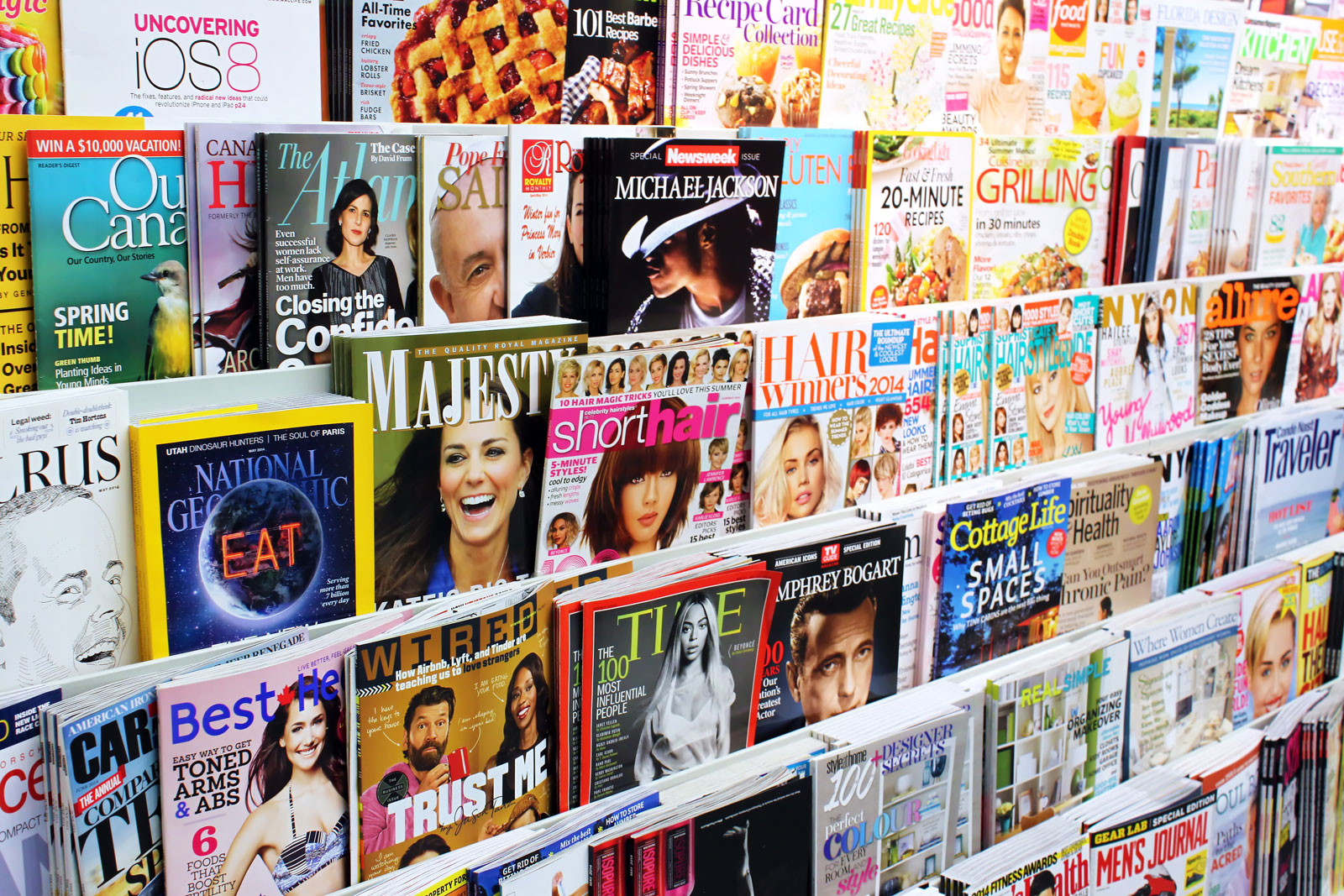
In the bustling marketplace of ideas and information, a magazine’s cover is its handshake, its first impression, and often, its ultimate selling point. It’s a powerful piece of art that needs to communicate instantly, intrigue deeply, and ultimately, compel a reader to pick it up and dive into its pages. The art of magazine cover design is a fascinating blend of strategy, creativity, and an acute understanding of what resonates with an audience. This isn’t just about pretty pictures; it’s about crafting a visual narrative that promises a compelling experience within.
The impact of a well-executed magazine art cover design cannot be overstated. It’s the silent salesperson, working tirelessly on newsstands and in digital displays. A truly magnificent cover can Fake fashion magazine names unveiling the grand illusion spark joy, ignite curiosity, and even become an iconic representation of an era or a movement. Conversely, a poorly conceived design can leave even the most compelling content languishing, unseen and unread. This article will explore the vital elements that contribute to exceptional magazine art cover design, offering insights into its strategic importance and creative execution.
The Anatomy of an Unforgettable Magazine Art Cover Design
Creating a standout magazine art cover design is a multi-faceted process that requires a deep understanding of both artistic principles and marketing objectives. It’s a delicate dance between aesthetics and impact.
Understanding Your Audience: The Foundation of Success
Before a single pixel is placed or a brushstroke is made, the most crucial step in magazine art cover design is understanding who you are trying to reach. Who is your ideal reader? What are their interests, aspirations, and aesthetic preferences?
- Demographics and Psychographics: Are you targeting a young, trend-conscious audience, or a more mature, sophisticated readership? Understanding age, gender, income, lifestyle, and values is paramount.
- Content Alignment: The cover must accurately reflect the magazine’s content. A cover featuring a vibrant, action-packed image for a magazine focused on quiet contemplation would be a misstep.
- Brand Identity: The cover is an extension of the magazine’s brand. It needs to be consistent with the overall tone, style, and voice of the publication.
The Power of Visuals: More Than Just a Pretty Picture
The central image or artwork on a magazine cover is its most potent weapon. It needs to be arresting, evocative, and relevant.
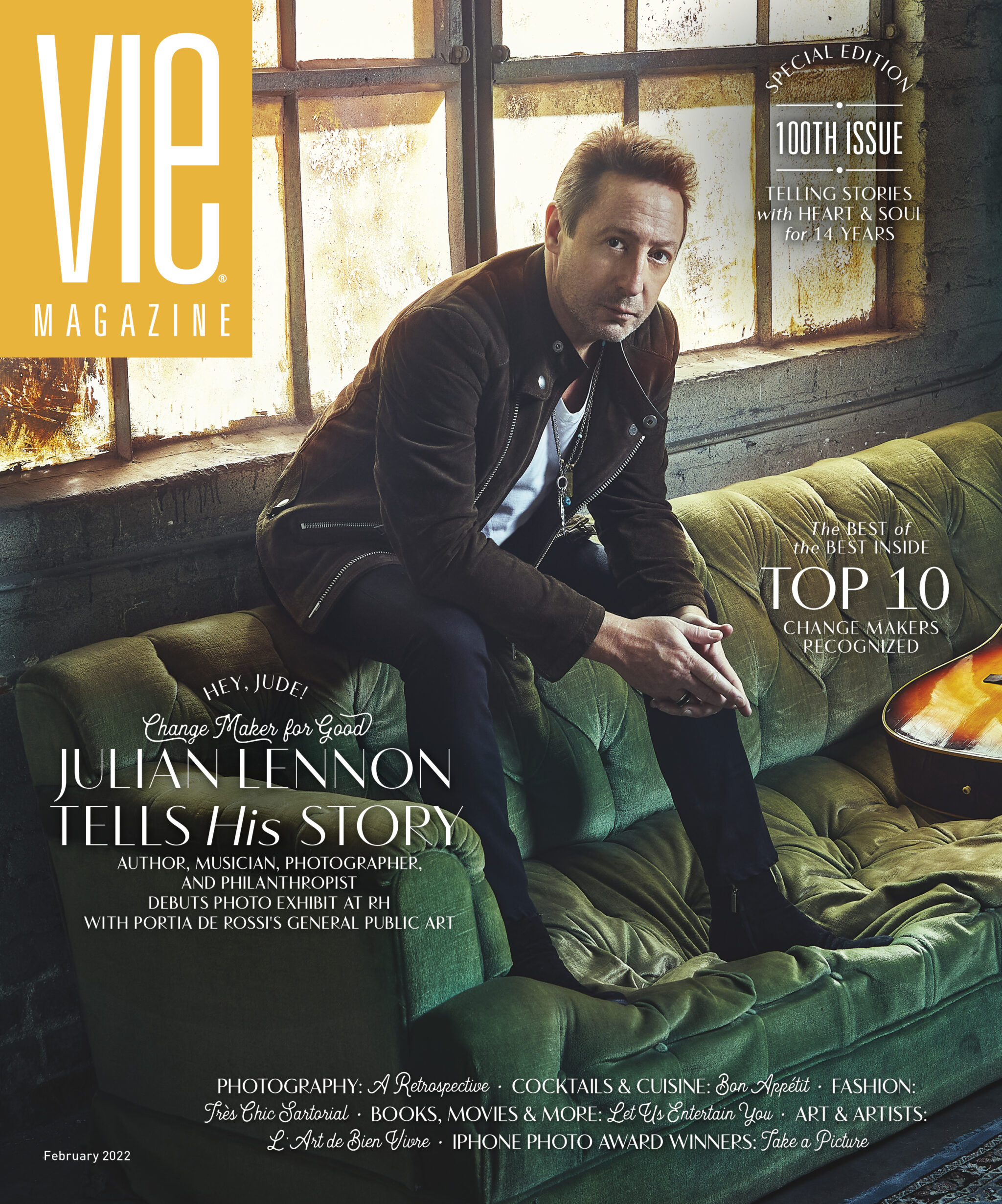
- Photography: High-quality, impactful photography can tell a story in an instant. Whether it’s a celebrity portrait, a breathtaking landscape, or a striking still life, the image must be technically excellent and emotionally resonant.
- Illustration: Illustration offers boundless creative freedom. It can be used to convey abstract concepts, create a unique stylistic identity, or depict scenes that photography cannot capture.
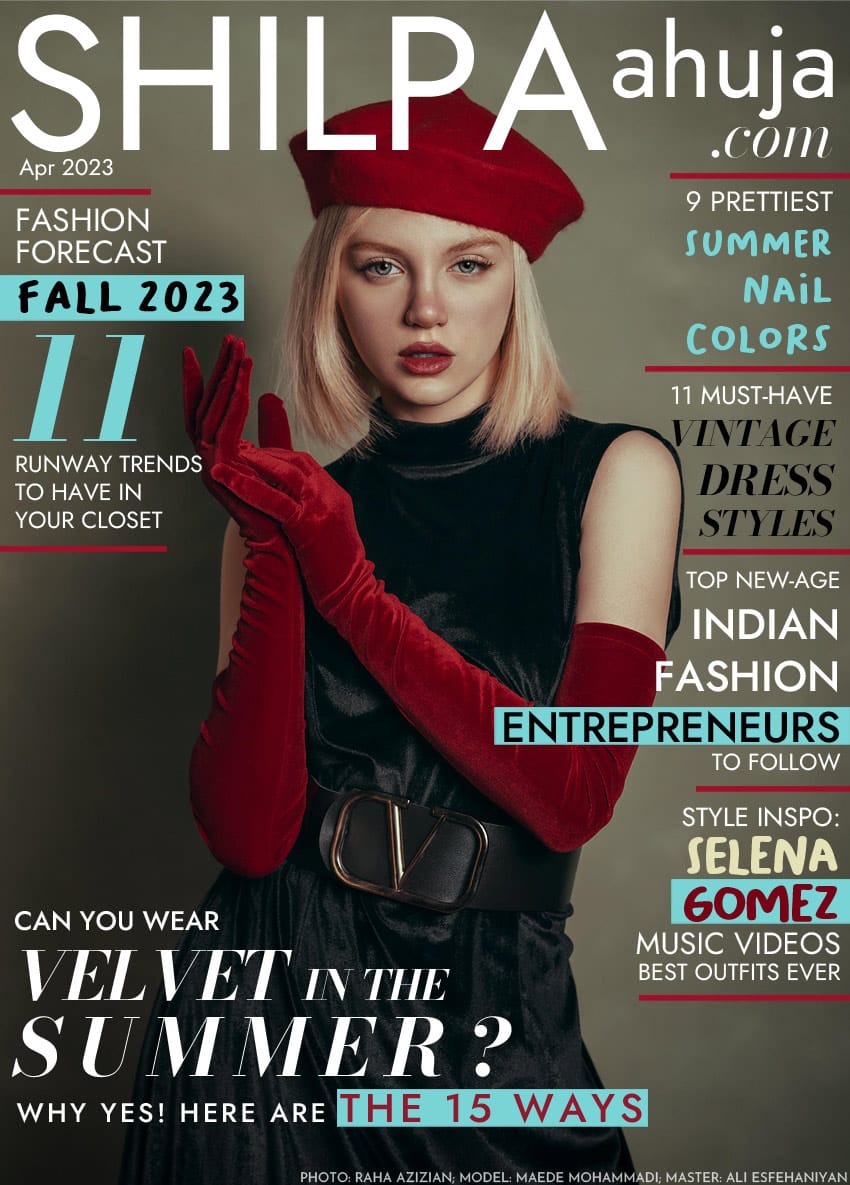
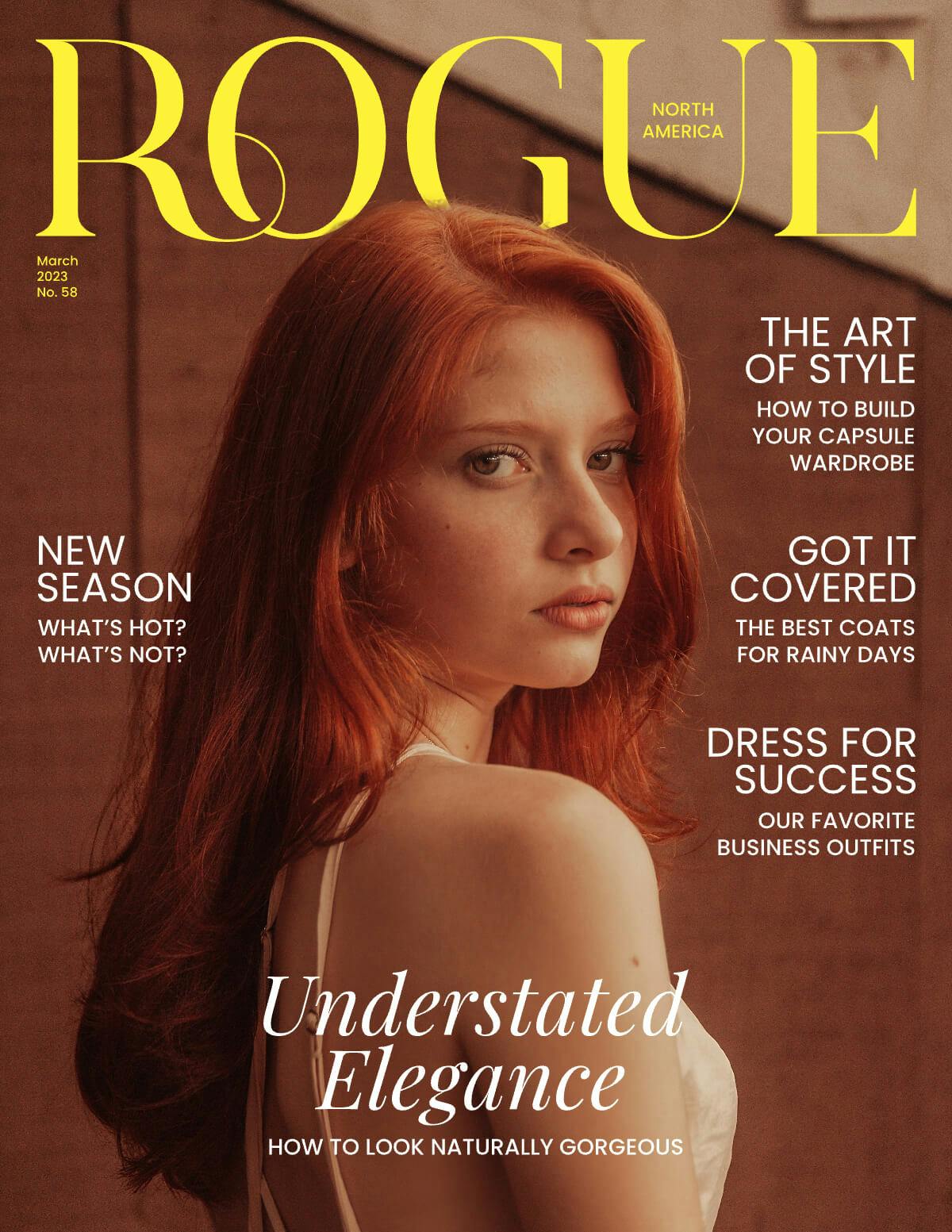
- Typography as Art: The magazine title and any accompanying headlines are not just text; they are design elements. The choice of font, size, color, and placement can dramatically influence the cover’s mood and readability. Bold, impactful fonts can convey energy, while elegant serifs might suggest sophistication.
- Color Palette: Colors evoke emotions and associations. A vibrant, warm palette might signal excitement and festivity, while cooler, muted tones could suggest introspection or luxury. The color scheme must work harmoniously with the imagery and typography.
Strategic Placement and Hierarchy: Guiding the Reader’s Eye
Every element on the cover has a purpose and a place. Effective magazine art cover design employs strategic placement to guide the reader’s gaze and highlight key information.
- The Dominant Element: Typically, the main image or photograph is the dominant element, drawing immediate attention.
- Masthead Placement: The magazine’s title (masthead) is usually placed prominently, often at the top, to ensure instant brand recognition.
- Headline Hierarchy: Headlines and cover lines are crucial for enticing readers. Their size, font, and placement should create a clear hierarchy, leading the reader through the most important selling points.
- White Space (or Negative Space): The strategic use of empty space is as important as the elements themselves. It allows the key visuals and text to breathe, preventing the cover from looking cluttered and overwhelming.
The Emotional Resonance of Magazine Art Cover Design
A truly successful magazine art cover design doesn’t just inform; it feels. It taps into the reader’s emotions, creating a connection that transcends the visual.
Evoking Emotion: The Heart of Connection
The best magazine covers are those that make you feel something. This could be excitement, nostalgia, curiosity, inspiration, or even a sense of belonging.
- Celebrity Power: A compelling portrait of a beloved or intriguing celebrity can instantly boost a magazine’s appeal. The expression, the styling, and the context of the photograph all contribute to the emotional impact.
- Storytelling Through Imagery: Even without a human subject, an image can tell a powerful story. A dramatic landscape might evoke a sense of adventure, while a meticulously styled still life could suggest elegance and artistry.
- The Element of Surprise: Sometimes, the most memorable covers are those that take a risk, presenting something unexpected or thought-provoking. This can generate buzz and discussion.
Creating a Sense of Urgency and Desire
Magazine art cover design is also about creating a compelling reason for the reader to act now.
- Intriguing Headlines: Cover lines that pose questions, promise exclusive information, or hint at compelling narratives are highly effective. They create a sense of mystery and encourage readers to find the answers within.
- Limited-Time Offers or Seasonal Themes: For certain publications, incorporating timely themes or special offers can create a sense of urgency and relevance. Think of festive holiday covers or special editions tied to major events.
- Aspirational Imagery: Covers that depict aspirational lifestyles, achievements, or experiences can tap into readers’ desires and motivate them to seek out the content that can help them achieve their own goals.
The Evolving Landscape of Magazine Art Cover Design
The world of magazine publishing is constantly evolving, and so too is the art of cover design. Digital platforms and changing reader habits present new challenges and opportunities.
Digital vs. Print: Adapting to New Realities
While print magazines still hold a special place, the rise of digital platforms has significantly impacted cover design.
- Thumbnail Appeal: For online previews and social media, covers need to be instantly recognizable and impactful even at a small size.
- Animated Covers: Some digital publications experiment with animated covers, adding an extra layer of dynamism and engagement.
- Interactive Elements: Digital covers can sometimes incorporate interactive features, further blurring the lines between static art and dynamic content.
Trends and Innovations in Cover Design
The field of magazine art cover design is a fertile ground for innovation. Staying abreast of trends is crucial for creating contemporary and impactful covers.
- Minimalism: Clean, uncluttered designs with a strong focal point are often highly effective.
- Bold Typography: Creative and expressive typography continues to be a powerful tool.
- Artistic Collaborations: Partnering with renowned artists, illustrators, and photographers can elevate a cover to a work of art in itself.
- Sustainability and Eco-Consciousness: As environmental awareness grows, some magazines are exploring sustainable printing methods and imagery that reflects these values.
The Joyful Art of Magazine Art Cover Design
Ultimately, magazine art cover design is a celebration of creativity and communication. It’s about the thrill of seeing a brilliant concept come to life, the satisfaction of knowing you’ve captured someone’s attention, and the enduring power of visual storytelling. A truly exceptional magazine art cover design is a masterpiece in its own right, a beacon that guides readers towards a world of knowledge, entertainment, and inspiration. It’s a testament to the fact that in a visually saturated world, a strong, captivating cover can still make all the difference.
Frequently Asked Questions about Magazine Art Cover Design
Q1: What is the most important element of magazine art cover design?
The most important element is the ability to grab the reader’s attention instantly and convey the essence of the magazine’s content. This is often achieved through a compelling central image and strong typography.
Q2: How does magazine art cover design influence sales?
A strong cover acts as a powerful marketing tool, enticing potential readers to pick up the magazine. It creates curiosity and promises value, directly impacting sales figures.
Q3: Can typography be considered art on a magazine cover?
Absolutely. The choice of font, its size, color, and placement are all artistic decisions that contribute significantly to the overall mood, readability, and impact of the cover.
Q4: What is the role of color in magazine art cover design?
Color plays a crucial role in evoking emotions, attracting attention, and establishing a mood. The strategic use of a color palette can make a cover feel energetic, sophisticated, calming, or exciting.
Q5: How has digital media changed magazine art cover design?
Digital media has necessitated covers that are effective even as small thumbnails and has opened possibilities for animated or interactive elements, while How to write a fashion magazine article unleash your inner style guru print covers still prioritize tactile appeal and visual impact.