The 1930s, a decade marked by both economic hardship and Hollywood glamour, presented a fascinating paradox in men’s fashion. Far from succumbing to austerity, men embraced a sophisticated and dapper aesthetic that continues to inspire today. Discover the powerful and enduring men fashion trends 1930 that defined an era of impeccable style, proving that elegance can indeed triumph over adversity.
The Roaring Twenties Fade: A Shift Towards Refined Masculinity
As the excesses of the Roaring Twenties waned, men’s fashion underwent a significant transformation. The flamboyant styles of the previous decade gave way to a more understated yet undeniably sharp silhouette. The Great Depression cast a long shadow, but paradoxically, it fostered a renewed appreciation for quality, craftsmanship, and enduring style. Men sought clothing that was not only practical but also projected an air of confidence and resilience. This era witnessed the solidification of the modern suit as the cornerstone of a gentleman’s wardrobe, with a distinct emphasis on tailoring and a clean, masculine line.
The Silhouette: Broad Shoulders and a Defined Waist
The quintessential 1930s male silhouette was characterized by a strong, broad-shouldered look, often achieved through padded shoulders in suits and jackets. This created an imposing and authoritative presence. However, this broadness was artfully balanced by a nipped-in waist, creating an hourglass effect that was both flattering and masculine. This attention to proportion was a hallmark of the era’s tailoring, ensuring that even during challenging times, men presented themselves with pride and polish.
The "Drape Cut" Revolution
A pivotal development in 1930s menswear was the advent of the "drape cut." This innovative tailoring technique, popularized by designers like Frederick Scholte, allowed for a more relaxed yet still structured fit. Fabric was cut generously through the chest and shoulders, then allowed to drape naturally down the body, creating soft folds and a sense of fluidity. This contrasted with the more rigid tailoring of previous decades and offered a comfortable yet undeniably stylish option. The drape cut became synonymous with a sophisticated, almost effortless elegance, a look that resonated with both the working man and the silver screen idol.
The Suit: The Unquestioned King of Menswear
The three-piece suit remained the undisputed uniform for the discerning gentleman in the 1930s. However, subtle yet significant changes in its construction and styling distinguished it from its predecessors.
Lapels: Wider and More Expressive
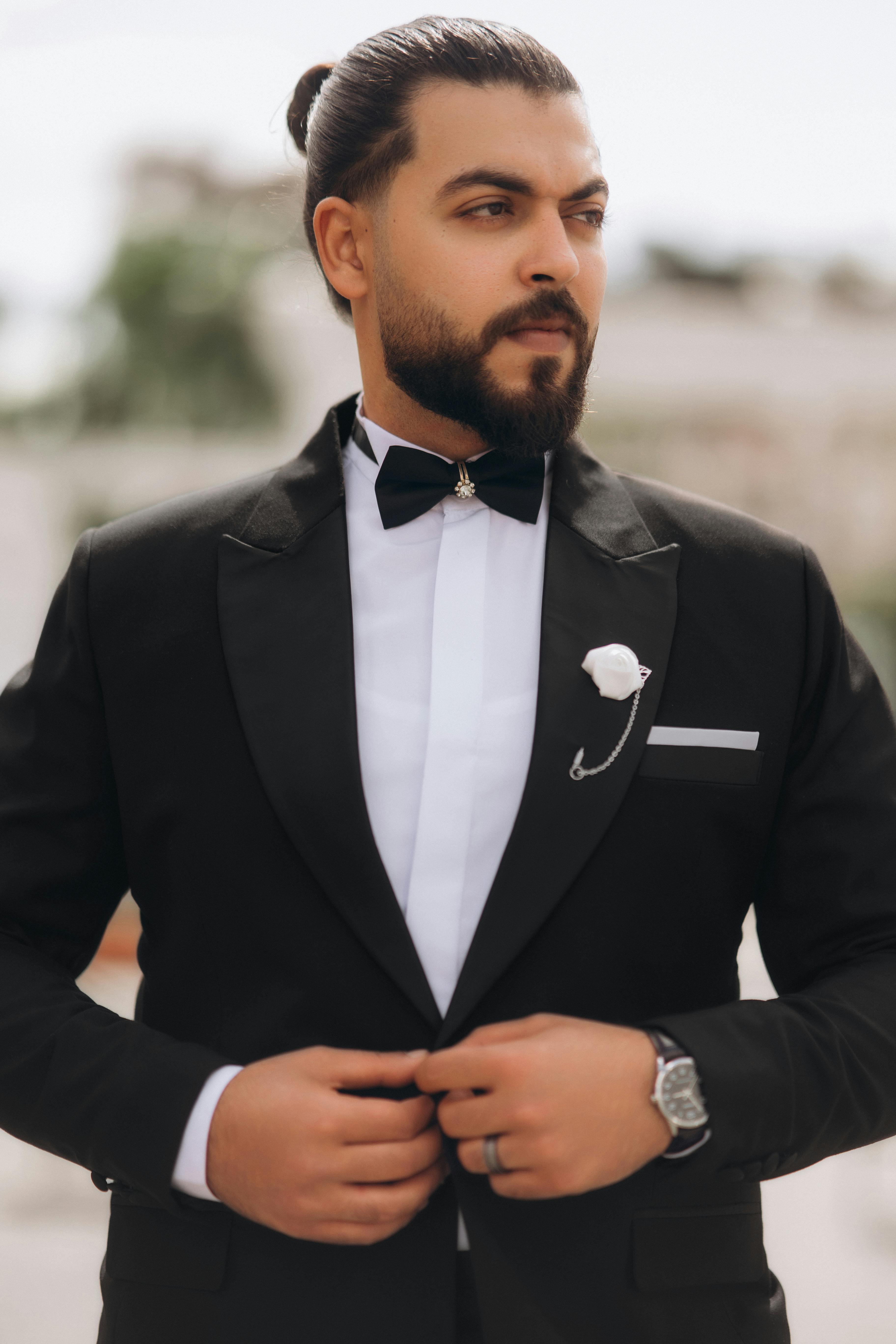
Lapels experienced a notable expansion in the 1930s. Notch lapels, which had been prevalent, grew wider, and peak lapels, previously reserved for more formal occasions, saw increased adoption in everyday suits. This wider lapel created a more imposing and visually interesting chest area, contributing to the era’s emphasis on broad shoulders. The shape and width of the lapel became a key indicator of the suit’s style and the wearer’s sartorial awareness.
Trousers: Pleats and Wider Legs
Trousers in the 1930s were generally wider than in later decades, often featuring pleats at the waist. These pleats provided extra fabric for a comfortable drape and contributed to the overall relaxed yet tailored look. Cuffs, or turn-ups, also became a common feature, adding a touch of sartorial flair and weight to the hem. The rise of the Wix forum template design crafting your vibrant community hub trousers was typically high, sitting comfortably at the natural waist, further emphasizing the defined silhouette.
Fabrics and Patterns: A Nod to Durability and Subtle Sophistication
While the economic climate might suggest a move towards simpler fabrics, the 1930s saw a continued appreciation for quality materials. Wool, tweed, and worsted wool were popular choices, chosen for their durability and ability to hold a sharp crease. Patterns, while not overtly loud, played a significant role. Pinstripes, chalk stripes, Glen plaid (Prince of Wales check), and subtle houndstooth patterns were favored, adding visual interest without being overwhelming. These patterns often conveyed a sense of tradition and understated luxury.
The Overcoat: The Epitome of Outerwear Elegance
No gentleman’s ensemble in the 1930s was complete without a well-tailored overcoat. These were designed to complement the suit, extending the elegant silhouette.
The Chesterfield and the Polo Coat
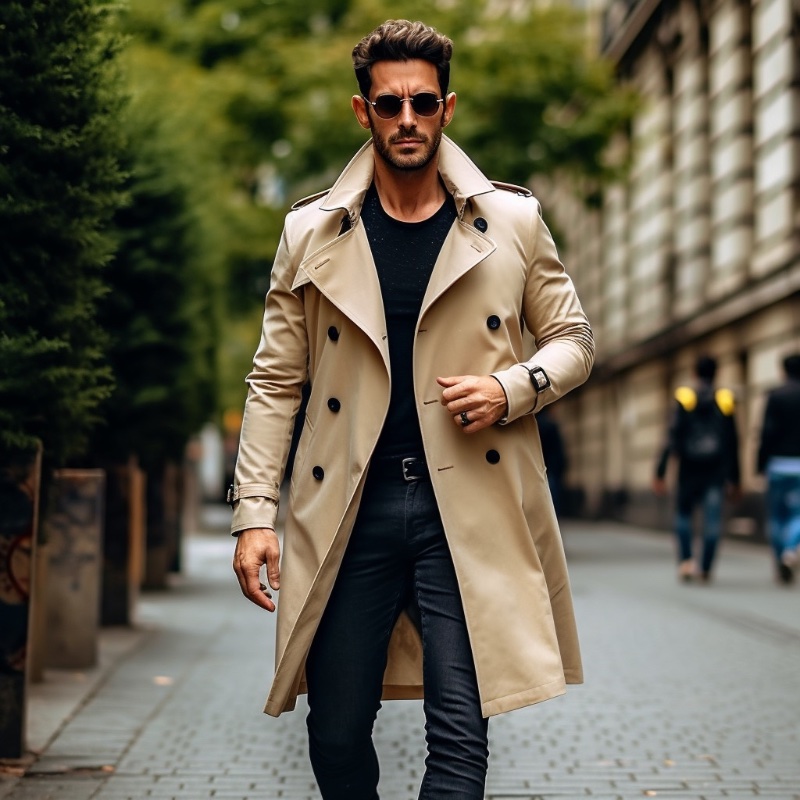
The Chesterfield coat, a classic single or double-breasted overcoat with a velvet collar, remained a popular choice for formal occasions. For more casual wear, the Polo coat, characterized by its toggle closure and large patch pockets, gained significant traction. These coats were typically made from heavy wools and provided both warmth and an undeniable air of sophistication. The length of the overcoat was generally long, often reaching below the knee, further enhancing the elongated and distinguished look.
The Shirt and Tie: Essential Elements of the Ensemble
The shirt and tie were crucial components that completed the 1930s gentleman’s look.
Collars: Stiff and Detachable
Shirt collars in the 1930s were typically stiff and often detachable, allowing for easy cleaning and starching. Spread collars and point collars were common, designed to frame the face and provide a neat foundation for the tie. White and light pastel colors were prevalent, offering a clean contrast to the darker hues of suits and ties.
The Tie: A Splash of Color and Pattern
While the suit might have been more subdued, the tie offered an opportunity for personal expression. Silk ties were the norm, featuring a wide array of patterns, including geometric designs, paisleys, and bold stripes. The knot was often a four-in-hand or a Windsor, tied neatly to sit snugly against the collar. The tie was an essential accessory, adding a touch of personality and flair to the otherwise structured ensemble.
Headwear: A Non-Negotiable Accessory
In the 1930s, headwear was not merely an option; it was an essential part of a man’s attire, signifying social standing and attention to detail.
The Fedora and the Homburg
The fedora, with its soft brim and indented crown, became the quintessential hat for everyday wear. It offered a stylish and practical solution for shielding from the elements while exuding an air of casual sophistication. For more formal occasions, the Homburg hat, with its single crease and curled brim, was the preferred choice, projecting an image of gravitas and refinement. Other popular options included the bowler hat, particularly for more traditional or working-class contexts.
Footwear: The Foundation of a Polished Look
The right footwear was crucial for completing the 1930s gentleman’s look.
Oxfords and Brogues: Classic Choices
Oxfords, particularly the plain-toe and cap-toe varieties, were the standard for formal and business wear. Brogues, with their decorative perforations, offered a slightly more casual yet still sophisticated option. Two-tone spectator shoes, often in brown and white or black and white, gained popularity for their eye-catching appeal, particularly during warmer months and for leisure activities. The shoes were meticulously polished, reflecting the overall emphasis on meticulous grooming and presentation.
Accessories: The Finishing Touches of Distinction
Beyond the core garments, a range of accessories elevated the 1930s menswear ensemble from good to exceptional.
Pocket Squares: A Subtle Statement
A folded pocket square, peeking out from the breast pocket, was a subtle yet significant detail. White linen or silk squares were common, adding a touch of understated elegance.
Watches: Timepieces as Status Symbols
Wristwatches, though still relatively new, were becoming increasingly popular. They were often made of gold or silver and served as both functional items and indicators of status.
Gloves: Practicality Meets Panache
Leather gloves were a common accessory, particularly during colder months, but also worn for stylistic reasons. They added a final layer of polish and sophistication to any outfit.
The Influence of Hollywood and the Silver Screen
The burgeoning film industry played a monumental role in shaping and disseminating men fashion trends 1930. Hollywood stars like Clark Gable, Cary Grant, and Fred Astaire became style icons, their on-screen wardrobes influencing millions. The suave and debonair characters they portrayed, often clad in impeccably tailored suits and sharp accessories, set aspirational standards for men across the globe. The glamour and escapism offered by the silver screen provided a much-needed antidote to the economic realities of the decade, and men eagerly emulated the sartorial choices of their cinematic heroes.
A Legacy of Enduring Style
The men fashion trends 1930 represent a golden age of menswear, characterized by an unwavering commitment to quality, craftsmanship, and a sophisticated, masculine aesthetic. The emphasis on tailored silhouettes, refined fabrics, and thoughtful accessories created a timeless elegance that continues to resonate with style enthusiasts today. Far from being a relic of the past, the sartorial lessons of the 1930s offer a powerful blueprint for modern men seeking to cultivate a polished and distinguished personal style. The decade’s enduring appeal lies in its ability to blend practicality with panache, proving that true style is not dictated by fleeting fads but by an innate understanding of proportion, quality, and the art of presentation.
Frequently Asked Questions About 1930s Men’s Fashion
Q1: What was the most iconic piece of clothing for men in the 1930s?
A1: The three-piece suit was undoubtedly the most iconic piece of clothing for men in the 1930s, representing the epitome of formal and business attire.
Q2: Did men wear hats every day in the 1930s?
A2: Yes, wearing a hat was considered an essential part of a man’s attire in the 1930s, both for practical reasons Fashion magazine cover line ideas unlock your next iconic issue and as a sign of respect and social convention. Fedoras and Homburgs were particularly popular.
Q3: What fabrics were commonly used for men’s suits in the 1930s?
A3: Wool, tweed, and worsted wool were the most common fabrics used for men’s suits in the 1930s due to their durability and ability to hold a sharp crease.
Q4: How did the Great Depression affect men’s fashion in the 1930s?
A4: Paradoxically, the Great Depression fostered an appreciation for quality and enduring style. Men invested in well-made, classic pieces that would last, and the emphasis shifted towards a more refined and less ostentatious aesthetic compared to the previous decade.
Q5: Were bright colors common in men’s fashion in the 1930s?
A5: While suits and overcoats tended to be in more subdued colors like navy, grey, brown, and black, ties offered an opportunity for brighter colors and bolder patterns, adding a touch of personality to the ensemble.
Q6: What role did Hollywood play in 1930s men’s fashion?
A6: Hollywood had a significant influence, with movie stars like Clark Gable and Cary Grant becoming style icons. Their on-screen wardrobes set aspirational trends that were widely emulated by men seeking to achieve a similar level of sophistication.
Q7: What were the key features of 1930s men’s trousers?
A7: Trousers in the 1930s were typically wider-legged, often featured pleats at the waist for a comfortable drape, and commonly had cuffs or turn-ups at the hem. They were also worn with a high rise, sitting at the natural waist.