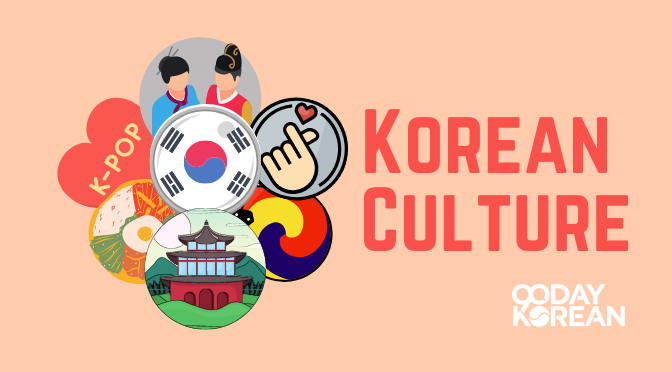
Embark on a captivating journey into the heart of Myunpa Korean culture and language, a truly enriching and endlessly fascinating world. For many, Korea evokes images of K-Pop anthems and cutting-edge technology, but delve deeper, and you’ll discover a rich tapestry woven with ancient traditions, profound philosophies, and a language that sings with nuance and beauty. This article Mens leather waist pack the ultimate style convenience solution is your gateway to understanding the captivating essence of Myunpa Korean culture and language, offering a glimpse into the values, customs, and linguistic intricacies that make Korea so unique.
The Enduring Power of Myunpa Korean Culture and Language
Korea’s cultural landscape is a vibrant testament to its resilience and adaptability. From the Joseon Dynasty’s enduring legacy to the explosive global phenomenon of the Hallyu wave, Korean culture has consistently captivated the world. At its core lies a deep respect for tradition, family, and community, intertwined with a relentless drive for innovation and progress. This duality is beautifully reflected in the Myunpa Korean culture and language, offering a compelling narrative of a nation that cherishes its past while boldly embracing the future.
The concept of "Myunpa" itself, while not a universally recognized academic term in Korean studies, can be interpreted as representing the "essence" or "spirit" of Korean culture and language. It’s about understanding the underlying principles, the unspoken nuances, and the emotional resonance that define Korean identity. When we talk about Myunpa Korean culture and language, we’re not just discussing facts and figures; we’re exploring the soul of a nation.
Unveiling the Layers: Key Facets of Myunpa Korean Culture
Korean culture is a complex and beautiful mosaic, shaped by centuries of history, philosophy, and geographical influences. Understanding these foundational elements is crucial to appreciating the Myunpa Korean culture and language.
The Confucian Backbone: Harmony and Respect
Confucianism has profoundly shaped Korean society, emphasizing principles like filial piety (효, hyo), respect for elders and authority (존댓말, jondaetmal), and the importance of social harmony (화, hwa). These values are deeply ingrained in everyday life, influencing everything from family structures and educational systems to workplace dynamics and social etiquette.
- Filial Piety (효, Hyo): This is perhaps the most cornerstone of Korean values. It signifies deep respect, obedience, and care for one’s parents and ancestors. This reverence extends to older siblings and other respected figures in society.
- Respect for Elders and Authority: The Korean language itself has intricate honorifics and speech levels that reflect this hierarchical respect. This permeates social interactions, ensuring a polite and orderly society.
- Social Harmony (화, Hwa): Koreans often prioritize group cohesion and avoiding direct confrontation to maintain harmony. This can manifest in indirect communication styles and a strong sense of collective responsibility.
The Spirit of "Jeong" (정): A Unique Emotional Bond
"Jeong" is a uniquely Korean concept that defies easy translation. It’s a deep, often unspoken, emotional connection that binds people together. It encompasses affection, empathy, loyalty, and a sense of shared experience. You can feel "jeong" for family, friends, colleagues, and even inanimate objects.
- Beyond Friendship: "Jeong" is more profound than mere friendship. It implies a willingness to sacrifice, to endure hardship together, and to feel a sense of responsibility for one another.
- Manifestations in Daily Life: You’ll see "jeong" in the way Koreans share food, offer help without being asked, and maintain long-lasting relationships. It’s the glue that holds communities together.
The Hallyu Phenomenon: A Modern Cultural Revolution
The global explosion of Korean popular culture, known as Hallyu or the Korean Wave, has brought Myunpa Korean culture and language to the forefront of international attention. K-Pop, K-Dramas, Korean cinema, and Korean cuisine have become household names worldwide.
- K-Pop’s Global Appeal: The meticulously crafted performances, catchy melodies, and visually stunning music videos of K-Pop groups have garnered millions of fans globally. Groups like BTS and BLACKPINK are cultural ambassadors, showcasing Korean talent and creativity.
- K-Dramas’ Emotional Resonance: Korean television dramas are renowned for their compelling storylines, relatable characters, and high production values. They often explore themes of love, family, societal issues, and historical events, resonating deeply with international audiences.
- Korean Cinema’s Critical Acclaim: Films like "Parasite" have achieved unprecedented international success, highlighting the sophistication and artistic merit of Korean cinema.
- The Culinary Journey: Korean food, with its vibrant flavors, emphasis on fresh ingredients, and communal dining experience, has also become a global sensation. From kimchi to bulgogi, Korean cuisine offers a delicious exploration of Myunpa Korean culture and language.
The Enchanting Realm of Myunpa Korean Language
The Korean language is as intricate and beautiful as the culture it represents. Its unique alphabet, sophisticated honorifics, and expressive vocabulary offer a fascinating linguistic landscape.
Hangul: The Ingenious Korean Alphabet
One of the most remarkable achievements in linguistic history is the creation of Hangul (한글) in the 1443 by King Sejong the Great. Unlike many other writing systems, Hangul was designed to be scientific, logical, and easy to learn.
- Scientific Design: The shapes of Hangul consonants are based on the shape of the mouth and tongue when producing the sound, while vowels are based on philosophical principles of heaven, earth, and humanity.
- Ease of Learning: This systematic design makes Hangul incredibly accessible, contributing to Korea’s high literacy rate. It’s a testament to the Korean value of education and knowledge dissemination.
- A Symbol of National Identity: Hangul is more than just an alphabet; it’s a powerful symbol of Korean identity and independence.
The Nuances of Korean Speech Levels and Honorifics
The Korean language is characterized by its complex system of speech levels and honorifics, which are crucial for navigating social interactions and demonstrating respect. This is a vital aspect of Myunpa Korean culture and language.
- Formal vs. Informal: The choice of verb endings and vocabulary depends heavily on the age, social status, and familiarity between speakers. Using the correct speech level is paramount to avoiding offense.
- Honorifics (존댓말, Jondaetmal): These are special particles and vocabulary used to show respect to elders, superiors, or those in higher social positions. Mastering these is key to fluent and polite communication.
- Banter and Familiarity (반말, Banmal): While honorifics are essential, Koreans also have a system of informal speech ("banmal") used between close friends, family members of similar age, or when speaking to someone younger. The transition from "jondaetmal" to "banmal" signifies a deepening of a relationship.
Expressive Vocabulary and Idioms
Korean vocabulary is rich with words that capture subtle emotions and concepts that may not have direct equivalents in other languages.
- Onomatopoeia and Mimetic Words: Korean makes extensive use of words that imitate sounds (onomatopoeia) and describe actions or states (mimetic words), adding vividness and expressiveness to everyday speech.
- Proverbs and Idioms: Korean proverbs and idioms offer a window into the collective wisdom and cultural values of the nation. They often convey deep meanings in concise and memorable phrases.
Experiencing Myunpa Korean Culture and Language Firsthand
To truly grasp the essence of Myunpa Korean culture and language, immersion is key. Whether you’re planning a trip to Korea or exploring it from afar, there are numerous ways to engage.
Traveling to Korea: A Sensory Delight
- Historical Sites: Explore ancient palaces like Gyeongbokgung, wander through traditional villages like Bukchon Hanok Village, and visit serene temples nestled in the mountains.
- Modern Marvels: Experience the bustling energy of Seoul, from the trendy shopping districts of Myeongdong to the futuristic architecture of Dongdaemun Design Plaza.
- Culinary Adventures: Indulge in the diverse flavors of Korean cuisine. Take a cooking class, visit local markets, and savor every bite.
- Festivals and Traditions: If your visit coincides with a traditional festival like Chuseok (Korean Thanksgiving) or Seollal (Lunar New Year), you’ll witness the vibrant heart of Korean culture come alive.
Learning the Korean Language: A Rewarding Endeavor
- Online Resources: Numerous websites, apps, and YouTube channels offer free Korean language lessons.
- Language Exchange Partners: Connect with native Korean speakers online for practice and cultural exchange.
- Formal Classes: Enroll in Korean language courses at universities or language schools.
- Immerse Yourself in Media: Watch K-dramas, listen to K-pop, and read Korean webtoons with subtitles to build your vocabulary and comprehension.
Engaging with Korean Culture at Home
- Korean Restaurants and Cafes: Support local Korean businesses and enjoy authentic cuisine.
- Cultural Centers and Events: Many cities have Korean cultural centers that host workshops, film screenings, and exhibitions.
- Join Online Communities: Connect with other enthusiasts of Korean culture and language online.
The Unforgettable Allure of Myunpa Korean Culture and Language
The allure of Myunpa Korean culture and language lies in its captivating blend of tradition and modernity, its deep emotional resonance, and its infectious creativity. It’s a culture that values respect and harmony, yet embraces innovation and global trends. The Korean language, with its logical alphabet and nuanced expressions, is a key to unlocking this rich world.
Whether you’re drawn by the captivating melodies of K-Pop, the compelling narratives of K-Dramas, the profound philosophies of Confucianism, or the simple beauty of a shared meal, Korea offers an experience that is both enriching and unforgettable. Understanding the Myunpa Korean culture and language is not just about learning a new language or appreciating foreign customs; it’s about opening your heart and mind to a vibrant and dynamic civilization that continues to inspire and delight the world.
Frequently Asked Questions about Myunpa Korean Culture and Language
Q1: What is the most important aspect of Korean culture to understand?
A1: While many aspects are vital, understanding the Online games fashion games unleash your inner style icon emphasis on respect for elders, family, and social harmony (influenced by Confucianism) is fundamental to grasping Korean social dynamics and the nuances of Myunpa Korean culture and language.
Q2: Is it difficult to learn the Korean language?
A2: The Korean alphabet, Hangul, is remarkably easy to learn due to its scientific design. However, mastering the grammar, vocabulary, and especially the honorific speech levels can be challenging but incredibly rewarding.
Q3: How can I experience Korean culture if I can’t travel to Korea?
A3: You can experience Korean culture through its popular media (K-Pop, K-dramas, films), cuisine (restaurants, cooking at home), online communities, and by exploring resources from Korean cultural centers. Engaging with Myunpa Korean culture and language is accessible globally.
Q4: What does "Myunpa" mean in the context of Korean culture and language?
A4: "Myunpa" is not a standard academic term but can be interpreted as the "essence," "spirit," or "core" of Korean culture and language. It refers to the underlying principles, values, and emotional depth that define Korean identity.
Q5: How important are honorifics in the Korean language?
A5: Honorifics are extremely important in the Korean language. They are essential for showing respect to elders, superiors, and even strangers, and are a crucial component of polite and effective communication within Myunpa Korean culture and language.