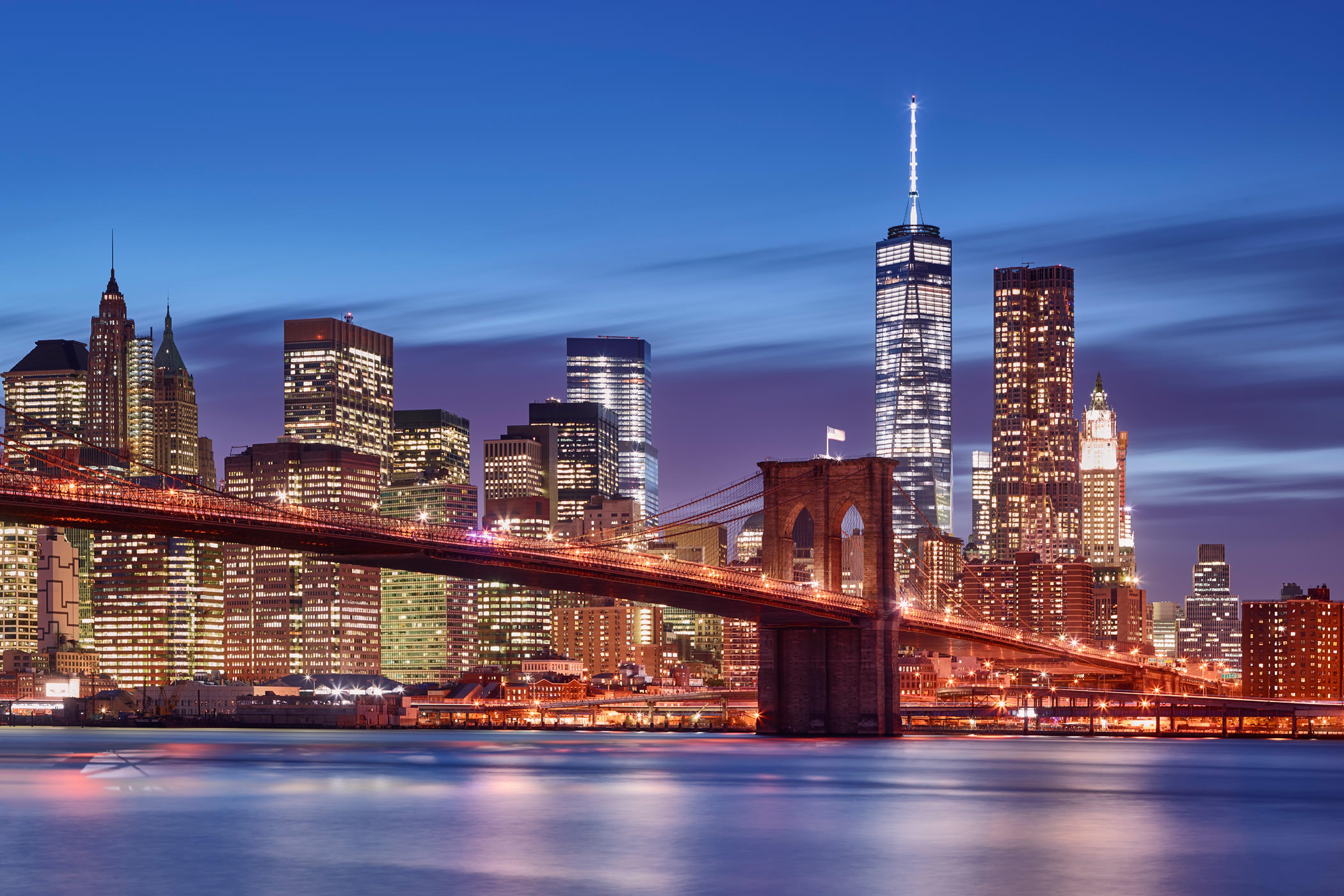
NYC Fashion Magazines Covers: Unveiling the Dazzling Tapestry of Style
New York City, the undisputed capital of fashion, pulsates with an energy that’s as vibrant and dynamic as the city itself. And nowhere is this sartorial spirit more vividly captured than on the covers of its iconic fashion magazines. These glossy pages are more than just paper; they are windows into the soul of style, showcasing the latest trends, the most influential designers, and the captivating personalities that define our visual landscape. From the revolutionary spirit of the 1960s to the digital age’s ever-evolving aesthetic, NYC fashion magazines covers have consistently served as a powerful barometer of cultural shifts and a relentless engine of aspiration. Let’s embark on a dazzling journey through the history and enduring impact of these celebrated covers.
The Genesis of Glamour: Early Icons and Defining Moments
The story of NYC fashion magazines covers is intrinsically linked to the rise of New York as a global fashion hub. In the early to mid-20th century, publications like Vogue and Harper’s Bazaar began to solidify their positions, offering readers a glimpse into a world of haute couture and sophisticated living. These early covers were often characterized by elegant illustrations and posed studio photography, exuding an air of timeless grace.
Vogue: The Epitome of Elegance
Vogue, arguably the most influential fashion magazine globally, has a long and storied history of setting trends from its New York City base. Its covers have often featured the era’s most sought-after models, adorned in the creations of legendary designers. Think of the ethereal beauty of Suzy Parker in the 1950s or the groundbreaking diversity that began to emerge in later decades. The NYC fashion magazines covers of Vogue have consistently aimed for aspirational, showcasing a polished and often unattainable ideal of beauty and luxury. They have been instrumental in shaping the perception of American style, blending Parisian chic with a distinctly New York edge.
Harper’s Bazaar: Artistic Vision and Avant-Garde Flair
While also a titan of the industry, Harper’s Bazaar often distinguished itself with a more artistic and avant-garde approach. Its covers frequently leaned into striking photography, bold graphic design, and a willingness to experiment with unconventional imagery. The magazine’s commitment to showcasing emerging talent, both in photography and fashion, has made its NYC fashion magazines covers a canvas for innovation. They have often pushed boundaries, reflecting a more daring and experimental side of the fashion world, sometimes with a surprisingly edgy or even controversial touch.
The Swinging Sixties and Beyond: Revolution on the Cover
The 1960s marked a seismic shift in fashion, and NYC fashion magazines covers were at the forefront of this revolution. The rise of youth culture, the sexual revolution, and a growing desire for individuality all found their voice on these pages.
The Youthquake and the Rise of the Supermodel
The "youthquake" movement, spearheaded by figures like Twiggy, was vividly reflected in magazine covers. The youthful exuberance and playful spirit of the era were palpable. Vogue and Harper’s Bazaar began featuring more dynamic, less posed photography, capturing a sense of movement and spontaneity. The emergence of the supermodel phenomenon, with icons like Cheryl Tiegs and Lauren Hutton, further cemented the power of the cover image. These women became not just models but cultural figures, their faces synonymous with the era’s evolving ideals of beauty and confidence. The NYC fashion magazines covers of this period exuded a newfound freedom and a vibrant energy.
The Disco Era and the Power of Individuality
The 1970s brought the glitz and glamour of the disco era, and its influence was undeniable on magazine covers. Sequins, bold colors, and a celebration of self-expression became commonplace. The NYC fashion magazines covers of this decade often featured models with a more confident and empowered stance, reflecting the changing social landscape. This was a time when individuality was celebrated, and covers started to showcase a wider range of styles and personalities, moving away from a singular, monolithic ideal.
The 1980s and 1990s: Power Dressing and Grunge Rebellion
The subsequent decades saw further evolution, with the NYC fashion magazines covers mirroring the decade’s dominant cultural narratives.
The Decade of Excess: Power and Opulence
The 1980s were characterized by a sense of excess and power dressing. Vogue and Harper’s Bazaar covers often showcased women in sharp, tailored suits, exuding confidence and ambition. The rise of designers like Calvin Klein and Ralph Lauren was prominently featured, solidifying their status as American fashion titans. The covers of this era often projected an image of success and material prosperity, a testament to the decade’s economic boom. These NYC fashion magazines covers were aspirational in a very tangible, success-driven way.
The Grunge Revolution: A Subversive Shift
The 1990s, in stark contrast, witnessed the rise of grunge and a more anti-establishment aesthetic. The Face and i-D, while not solely NYC-based, heavily influenced the American fashion landscape with their raw, unpolished imagery. This shift saw NYC fashion magazines covers embracing a more authentic, less manufactured look. Models like Kate Moss became the face of this new era, her understated beauty a stark contrast to the glamorous supermodels of the 80s. The covers became more experimental, often featuring street style and a grittier, more relatable sensibility. This was a deliberate move away from pure fantasy towards a more grounded reality, offering a refreshingly honest perspective.
The Digital Age: Transformation and Diversification
The advent of the internet and social media has profoundly reshaped the fashion industry, and NYC fashion magazines covers have had to adapt and evolve to remain relevant.
The Rise of Digital Influence and Diversity
In the 21st century, NYC fashion magazines covers have become more diverse and inclusive than ever before. The rise of social media influencers and a growing demand for representation have pushed publications to feature a wider array of ethnicities, body types, and gender identities. This is a truly empowering shift, making the aspirational aspect of fashion more accessible and relatable to a broader audience. The covers are no longer solely about showcasing a singular ideal but celebrating the multifaceted nature of beauty and style.
The Power of the Cover Star: Celebrities and Icons
While models still grace many covers, celebrities have increasingly become the go-to cover stars for NYC fashion magazines. This strategic move leverages the star power of actors, musicians, and athletes to drive sales and generate buzz. The covers often become a platform for interviews and features, offering readers an in-depth look at the lives and careers of their favorite personalities. This celebrity-driven approach has undeniably made NYC fashion magazines covers more accessible to a mainstream audience, blurring the lines between fashion and popular culture.
The Enduring Appeal of the Print Cover
Despite the digital revolution, the allure of the physical magazine cover remains strong. There’s a tangible satisfaction in holding a beautifully designed magazine, a curated piece of art that offers a temporary escape into the world of fashion. The NYC fashion magazines covers continue to be collector’s items, cherished for their aesthetic appeal and their historical significance. They represent a moment in time, a snapshot of the prevailing trends and cultural zeitgeist. The tactile experience of a well-executed cover, with its high-quality paper and striking imagery, offers a unique and enduring pleasure.
The Unseen Forces: Art Directors, Photographers, and Stylists
Behind every stunning NYC fashion magazines covers is a team of creative powerhouses. Art directors, photographers, and stylists work collaboratively to translate a vision into a compelling visual narrative.
The Art Director’s Vision
The art director plays a crucial role in shaping the overall aesthetic of the magazine. They conceptualize the cover image, ensuring it aligns with the Build style random generator unleash your creative spark publication’s brand identity and the editorial themes of the issue. Their keen eye for design, typography, and layout is essential in creating a visually arresting and impactful cover.
The Photographer’s Lens
Photographers are the visual storytellers. They capture the essence of the subject, whether it’s a supermodel, a celebrity, or a still-life arrangement of exquisite fashion. Their ability to manipulate light, composition, and emotion is what brings the NYC fashion magazines covers to life. From the classic studio shots of yesteryear to the dynamic, on-location shoots of today, photographers have consistently pushed the boundaries of visual artistry.
The Stylist’s Magic Touch
The stylist is responsible for curating the wardrobe and accessories that appear on the cover. Their expertise in understanding trends, silhouettes, and color palettes is paramount. A brilliant stylist can transform a garment into a statement, ensuring the fashion itself is as captivating as the model wearing it. The synergy between the stylist and the photographer is crucial in creating a cohesive and impactful image.
The Future of NYC Fashion Magazines Covers: Evolution and Innovation
As the fashion industry continues to evolve, so too will the NYC fashion magazines covers. We can anticipate further embraces of digital integration, perhaps with augmented reality features or interactive elements. The commitment to diversity and inclusivity will undoubtedly deepen, reflecting a more nuanced understanding of beauty and identity.
Sustainability and Ethical Fashion on Display
The growing global consciousness around sustainability and ethical fashion is likely to be reflected on future covers. We may see more features highlighting eco-friendly designers and materials, with covers that subtly or overtly champion responsible consumption. This shift will signal a maturation of the industry, with NYC fashion magazines covers becoming a platform for positive change.
The Metaverse and Beyond
The emergence of the metaverse presents a new frontier for fashion. It’s plausible that NYC fashion magazines covers will begin to explore digital fashion and virtual experiences, offering a glimpse into the future of how we interact with style. This could lead to entirely new forms of visual storytelling and creative expression.
Conclusion: A Timeless Allure
NYC fashion magazines covers are more than just fleeting images; they are enduring artifacts of our cultural landscape. They have consistently captured the pulse of the city, reflecting its dynamism, its aspirations, and its ever-evolving definition of style. From the opulent elegance of early Vogue to the raw authenticity of the grunge era and the inclusive spirit of today, these covers have served as both mirrors and molders of our fashion sensibilities. They continue to inspire, to provoke, and to celebrate the extraordinary world of fashion, making them an indispensable part of New York City’s vibrant cultural tapestry. The next time you pick up a fashion magazine, take a moment to appreciate the incredible artistry and cultural significance encapsulated within its cover – a true testament to the enduring power of NYC fashion magazines covers.
Frequently Asked Questions About NYC Fashion Magazines Covers
Q1: What are some of the most iconic NYC fashion magazines?
A1: The most iconic NYC fashion magazines include Vogue, Harper’s Bazaar, Elle, Glamour, and Allure. These publications have a long history of shaping fashion trends and featuring influential covers.
Q2: How have NYC fashion magazines covers changed over time?
A2: NYC fashion magazines covers have evolved significantly. Early covers often featured illustrations and posed studio photography, exuding elegance. Over time, they transitioned to more dynamic photography, embracing diverse models, celebrity cover stars, and reflecting various cultural movements like the youthquake, grunge, and the digital age.
Q3: What Fashion magazine cover line ideas unlock your next iconic issue makes a NYC fashion magazine cover successful?
A3: A successful NYC fashion magazine cover typically features a compelling cover star, striking photography, a strong editorial concept, and clear, engaging typography. It needs to grab attention, convey the essence of the issue, and evoke aspiration or interest.
Q4: Are NYC fashion magazines still relevant in the digital age?
A4: Yes, NYC fashion magazines remain relevant. While digital platforms are crucial, the physical magazine cover still holds significant cultural weight and aesthetic appeal. They serve as curated art pieces and offer a unique reading experience.
Q5: How do NYC fashion magazines covers reflect New York City’s fashion scene?
A5: NYC fashion magazines covers are deeply intertwined with the city’s fashion scene. They showcase the latest trends emerging from New York designers, feature the city’s iconic landmarks, and capture the unique energy and diversity of its inhabitants, solidifying NYC’s status as a global fashion capital.
/GettyImages-938174878-534efd6cc28e45e78fae6a841c1e0aaf.jpg "NYC Fashion Magazines Covers: A Dazzling Tapestry of Style")