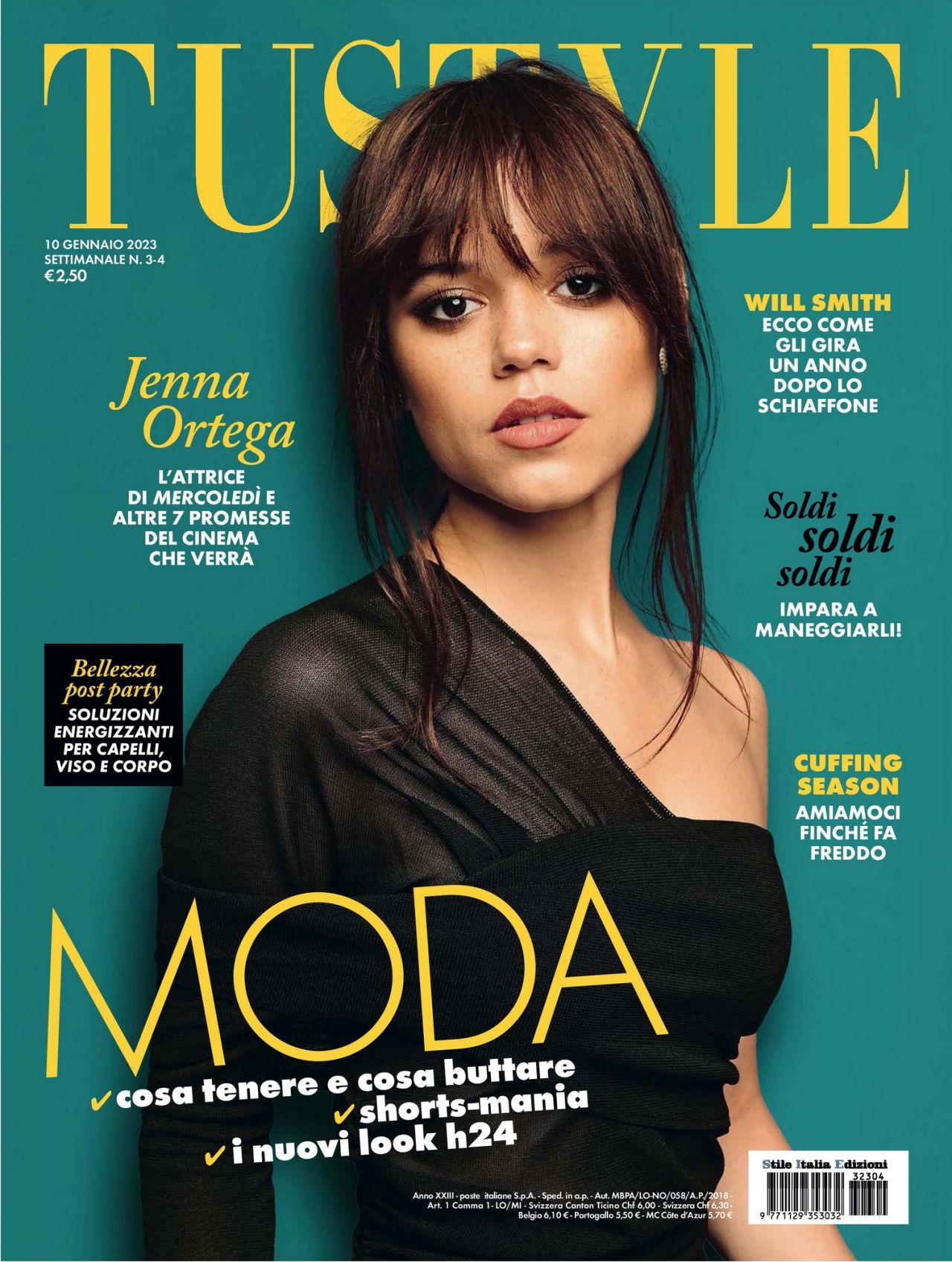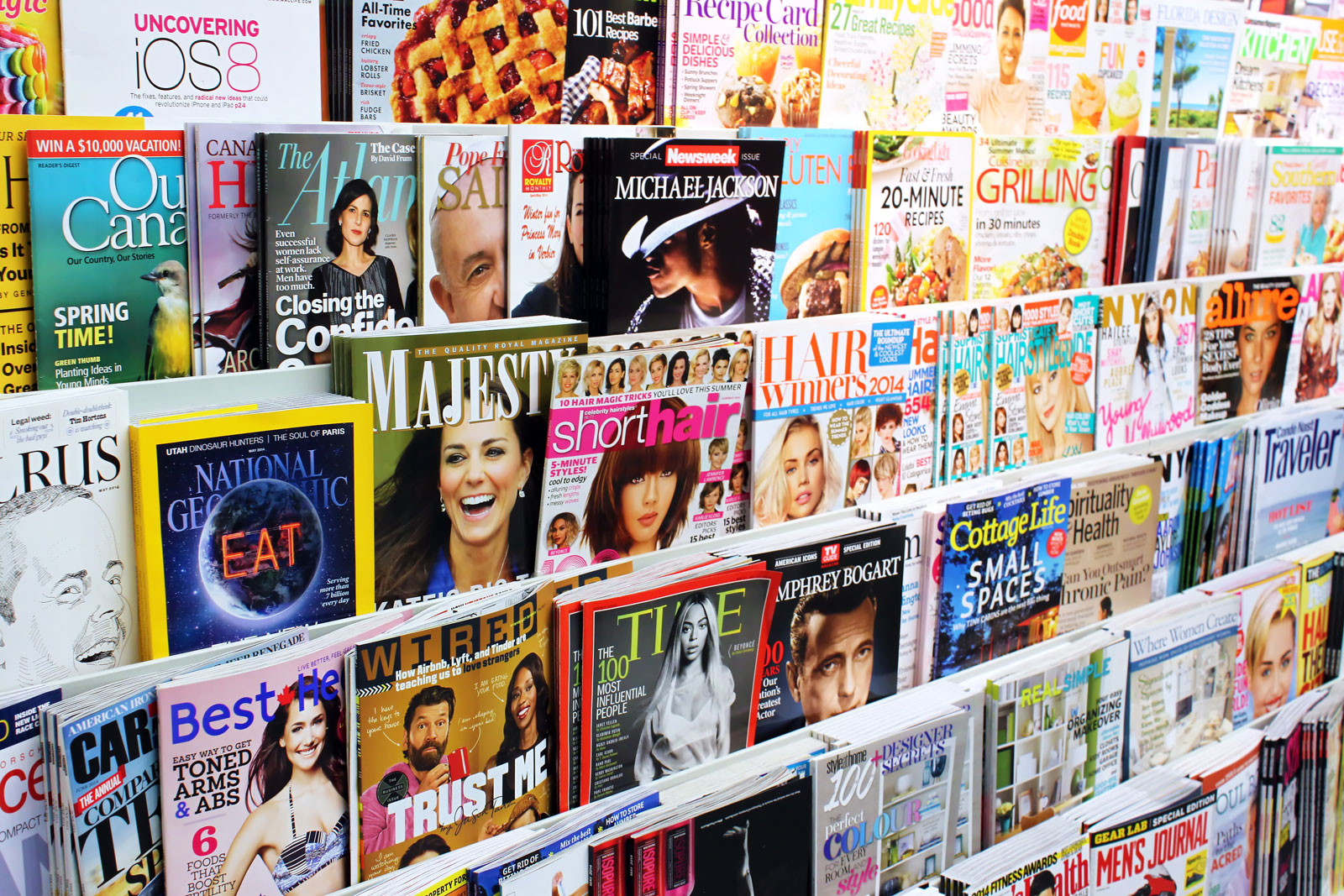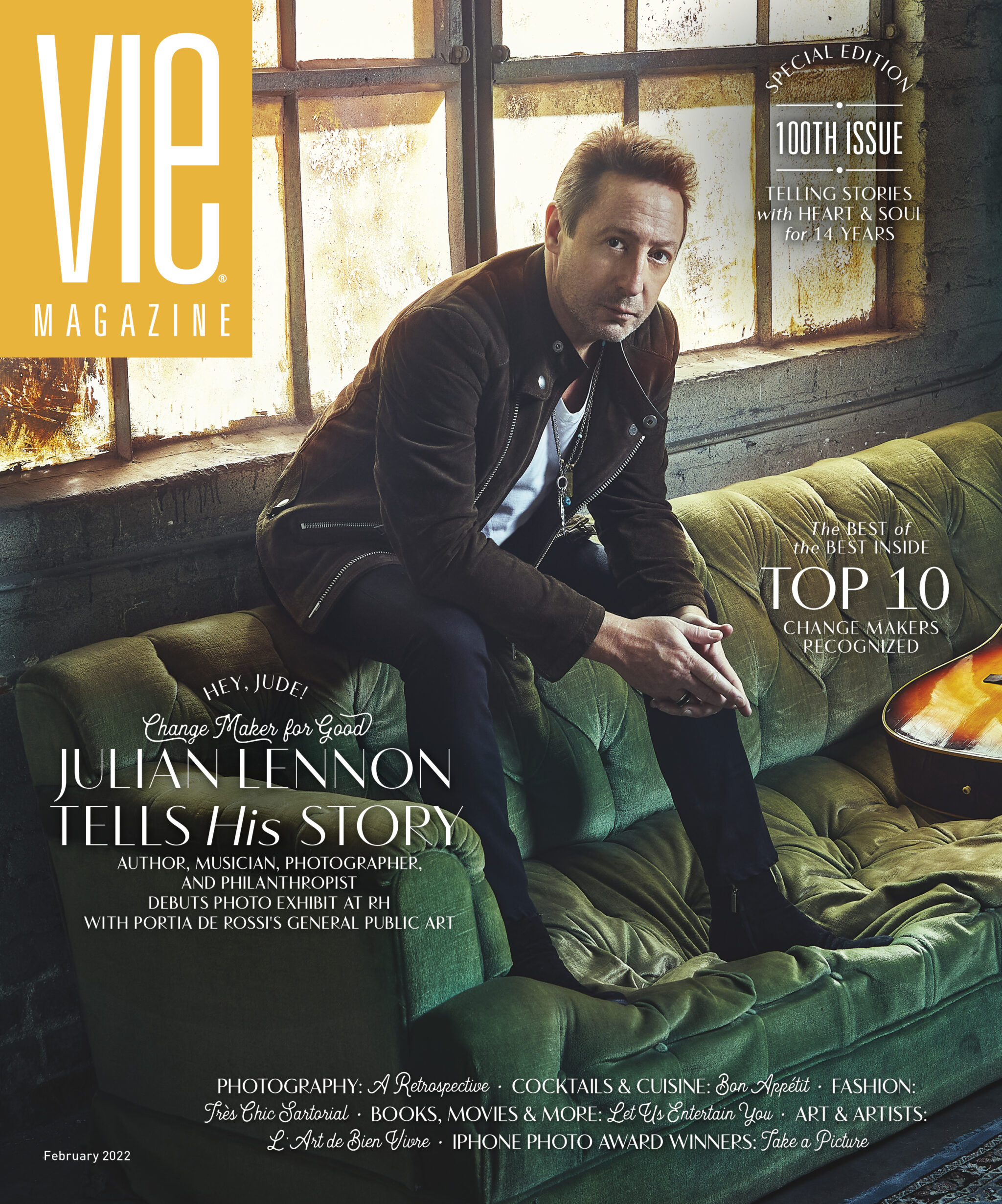
The allure of France, with its rich history, vibrant culture, and undeniable style, extends far beyond its iconic landmarks and delectable cuisine. It permeates every facet of French life, including its captivating world of print media. If you’ve ever found yourself captivated by the elegant prose, stunning photography, and insightful commentary emanating from France, you’ve likely encountered the magic of a French magazine. But what exactly is a "magazine" in French, and what makes these publications so special? Let’s embark on a delightful exploration to uncover the essence of this beloved medium.
The Heart of the Matter: Defining "Magazine" in French
At its core, the word "magazine" in French is a direct cognate of its English counterpart. You’ll hear and see it used interchangeably, signifying a periodical publication that contains a variety of articles, stories, illustrations, and advertisements. However, to truly understand "what is magazine in French," we need to delve deeper than a simple translation. It’s about appreciating the unique character, the editorial excellence, and the cultural significance these publications hold within the French-speaking world.
The Ubiquitous "Le Magazine"
When you ask "what is magazine in French?", the most common and direct answer is "le magazine." This masculine noun is the standard term used across all French-speaking regions. Whether you’re browsing a newsstand in Paris, a charming boutique in Quebec, or a digital platform from Switzerland, "le magazine" is your gateway to a world of information and entertainment.
A Spectrum of Excellence: Types of French Magazines
Just like in any country, the landscape of French magazines is incredibly diverse, catering to a vast array of interests and demographics. Understanding this variety is crucial to appreciating the full scope of "what is magazine in French."
1. News and Current Affairs: "Les Journaux Hebdomadaires et Mensuels"
For those who crave in-depth analysis of political, social, and economic events, French news magazines offer a compelling alternative to daily newspapers. These publications often provide a more nuanced perspective, featuring investigative journalism, opinion pieces, and extensive interviews.
- "L’Express": A venerable institution, "L’Express" is renowned for its sharp political commentary, economic analysis, and cultural coverage. It’s a go-to for informed citizens seeking a comprehensive understanding of current affairs.
- "Le Point": Similar to "L’Express," "Le Point" offers a robust blend of news, politics, and society, often with a slightly more conservative editorial stance.
- "Marianne": Known for its independent spirit and often critical stance on government policies, "Marianne" provides a platform for diverse viewpoints and often champions investigative reporting.
- "Courrier International": This unique publication offers a fascinating glimpse into global perspectives by translating and curating articles from the international press. It’s a fantastic way to understand how different cultures perceive world events.
2. Lifestyle and Culture: "Le Reflet du Quotidien"
French lifestyle magazines are celebrated for their impeccable taste, sophisticated aesthetics, and focus on the finer things in life. They are a window into the French art of living, or "art de vivre."
- "Vogue France": The epitome of fashion journalism, "Vogue France" sets trends, showcases haute couture, and offers a glamorous look at the world of style. Its stunning photography and insightful editorials are legendary.
- "Elle": A more accessible yet equally stylish fashion and lifestyle magazine, "Elle" covers fashion, beauty, health, relationships, and culture, resonating with a broad female audience.
- "Gala" and "Paris Match": These popular magazines delve into the lives of celebrities, royalty, and public figures, offering a blend of gossip, interviews, and behind-the-scenes glimpses. They provide a lighter, more entertaining read.
- "Art de Vivre" (General Lifestyle): Many magazines fall under this broad category, covering interior design, travel, gastronomy, and personal well-being. They aim to inspire readers to cultivate a more beautiful and fulfilling life.
3. Specialized Interests: "Les Passions à la Une"
The beauty of "what is magazine in French" lies in its ability to cater to every conceivable passion. Whether you’re a history buff, a gardening enthusiast, or a tech aficionado, there’s a French magazine for you.
- History: Publications like "Historia" offer meticulously researched articles on historical events, figures, and periods, often accompanied by rich illustrations and maps.
- Gastronomy: For food lovers, magazines such as "Saveurs" or "Fou de Cuisine" provide mouthwatering recipes, culinary trends, and profiles of renowned chefs.
- Travel: "Géo" is a prime example of a travel magazine that combines stunning photography with informative articles about destinations, cultures, and the natural world.
- Technology: "Science & Vie" is a leading science and technology magazine, exploring cutting-edge discoveries, scientific advancements, and their impact on society.
- Automotive: Enthusiasts of all things automotive will find publications dedicated to specific car brands or general car news and reviews.
- Hobbies and Crafts: From knitting to woodworking, there are magazines catering to a wide range of creative pursuits.
4. Literary and Intellectual Pursuits: "L’Esprit Critique"
France has a profound literary heritage, and its magazines reflect this with publications dedicated to literature, philosophy, and intellectual Cool style clothing names unveiling your ultimate wardrobe power discourse.
- "La Nouvelle Revue Française (NRF)": A highly respected literary review, the NRF publishes essays, poetry, short stories, and literary criticism, serving as a vital platform for contemporary French literature.
- "Philosophie Magazine": This magazine makes complex philosophical ideas accessible to a wider audience, exploring contemporary ethical dilemmas, historical thought, and the works of great thinkers.
The Art of Presentation: Why French Magazines Captivate
Beyond the content, the very presentation of French magazines contributes significantly to their appeal. This is where the concept of "what is magazine in French" truly shines.
1. Visual Splendor: "L’Esthétique Avant Tout"
French magazines are renowned for their exceptional visual design. Photography is often treated as an art form, with stunning layouts that draw the reader in.
- High-Quality Photography: Expect to see breathtaking images that are not merely illustrative but tell a story in themselves. From haute couture shoots to evocative travel landscapes, the visual artistry is paramount.
- Elegant Typography and Layout: The choice of fonts, the spacing of text, and the overall arrangement of elements are meticulously considered to create a sophisticated and pleasing reading experience. It’s a testament to the French appreciation for design.
2. Editorial Depth: "La Profondeur des Contenus"
While visual appeal is important, French magazines are also celebrated for the substance of their content.
- In-Depth Articles: Unlike many Western publications that favor brevity, French magazines often feature longer, more detailed articles that allow for thorough exploration of a topic.
- Nuanced Perspectives: There’s a commitment to presenting diverse viewpoints and fostering critical thinking. Readers are encouraged to engage with complex issues and form their own informed opinions.
- Literary Quality: The writing itself is often of a high literary standard, with a focus on clear, elegant, and engaging prose.
3. Cultural Significance: "Le Miroir de la Société"
French magazines are more than just publications; they are cultural artifacts that reflect and shape French society.
- Reflecting National Identity: They often engage with contemporary French debates, celebrate French heritage, and explore the nuances of French culture.
- Setting Trends: Fashion, lifestyle, and even political discourse can be influenced by the content published in prominent French magazines.
- A Sense of Community: For many, subscribing to or regularly reading a particular magazine fosters a sense of belonging to a community of like-minded individuals.
Navigating the Digital Age: "Le Magazine à l’Ère Numérique"
The rise of the internet has undoubtedly transformed the media landscape. However, French magazines have largely adapted, offering robust digital presences alongside their print editions.
- Online Editions and Websites: Most major French magazines have comprehensive websites where you can find articles, browse archives, and often access exclusive online content.
- Digital Subscriptions: Many offer digital subscription options, allowing readers to access their favorite publications on tablets, smartphones, and computers.
- Social Media Engagement: French magazines actively engage with their audiences on social media platforms, sharing content, running polls, and fostering discussions.
The Joy of Discovery: Embracing "What is Magazine in French"
Understanding "what is magazine in French" is an invitation to explore a rich and diverse world of print media. It’s about appreciating the dedication to quality, the commitment to insightful content, and the sheer aesthetic pleasure that these publications offer. Whether you’re a Francophile, a language learner, or simply someone who appreciates well-crafted journalism and design, diving into the world of French magazines is a rewarding experience.
A Festive Invitation to Explore!
Imagine settling down with a steaming cup of coffee, the aroma of freshly baked croissants filling the air, and a beautifully designed French magazine in your hands. It’s a moment of pure indulgence, a chance to escape, learn, and be inspired. So, the next time you encounter a publication with a French title or featuring French content, remember the depth and delight that lies within.
Frequently Asked Questions about French Magazines
Q1: Is "magazine" the only word used for magazines in French?
No, while "le magazine" is the most common and direct translation, you might also encounter terms like "la revue" (often for more academic or literary periodicals) or "le périodique" (a general term for any periodical publication). However, for general-purpose magazines, "le magazine" is the standard.
Q2: Are French magazines expensive?
The price of French magazines can vary depending on the publication, its frequency, and whether you’re buying a single issue or subscribing. High-end fashion and lifestyle magazines tend to be on the pricier side due to their extensive use of quality paper and photography. News and specialized interest magazines can be more affordable.
Q3: How can I subscribe to a French magazine if I don’t live in France?
Many French magazines offer international shipping for print subscriptions. You can usually find subscription information on their official websites. Digital subscriptions are also widely available and are often the most convenient option for international readers.
Q4: Are there many French magazines for children?
Absolutely! France has a thriving market for children’s magazines, catering to various age groups and interests, from educational content and stories to comics and puzzles.
Q5: What are the benefits of reading French magazines for language learners?
Reading French magazines is an excellent way to improve your vocabulary, grammar, and understanding of contemporary French language usage. It exposes you to different writing styles and cultural nuances, making the learning process more engaging and enjoyable.
Q6: Where can I buy French magazines in person outside of France?
Larger bookstores, particularly those with international sections, may carry a selection of popular French magazines. Airport newsstands and specialized import stores are also good places to check.
Q7: How do French magazines differ from American or British magazines?
While there are similarities, French magazines often place a greater emphasis on visual aesthetics, in-depth editorial content, and a more nuanced approach to current affairs and cultural commentary. They tend to embrace a more sophisticated and artistic presentation.
Q8: Is it possible to find "what is magazine in French" as a negative concept?
While the concept of a magazine itself is generally positive, one could argue that certain types of magazines might be viewed negatively if they are perceived as superficial, overly commercial, or Online fashion magazines uk your ultimate festive style guide promoting unhealthy lifestyles. However, the term "magazine" itself carries no inherent negative connotation.
Q9: Can you recommend a "must-read" French magazine for beginners?
For beginners, a lifestyle magazine like "Elle" or a travel magazine like "Géo" can be very accessible due to their engaging visuals and generally straightforward language. For those interested in news, a weekly like "L’Express" or "Le Point" might be a good starting point, perhaps with the aid of a dictionary.
Q10: What makes a French magazine truly outstanding?
An outstanding French magazine combines exceptional visual design with insightful, well-written content. It should offer a unique perspective, foster critical thinking, and provide a genuine connection to French culture and society. The dedication to quality in every aspect, from paper stock to editorial integrity, is what truly sets them apart.